Quick Answer: New Zealand law requires all rental properties to have working smoke alarms within 3 metres of each bedroom, at least one per level, and landlords must ensure they work at the start of each new tenancy. Hardwired, interconnected photoelectric alarms are the gold standard for compliance — and from November 2024, the updated Building Code (Clause F7) raised the bar even further.
What’s in This Guide
- Smoke Alarm Legal Requirements for Rentals
- Hardwired vs Battery: What’s Best for Rentals
- When Smoke Alarms Need Replacing
- Landlord Compliance Checklist
- Why Choose BT Electrical Solutions
- Frequently Asked Questions
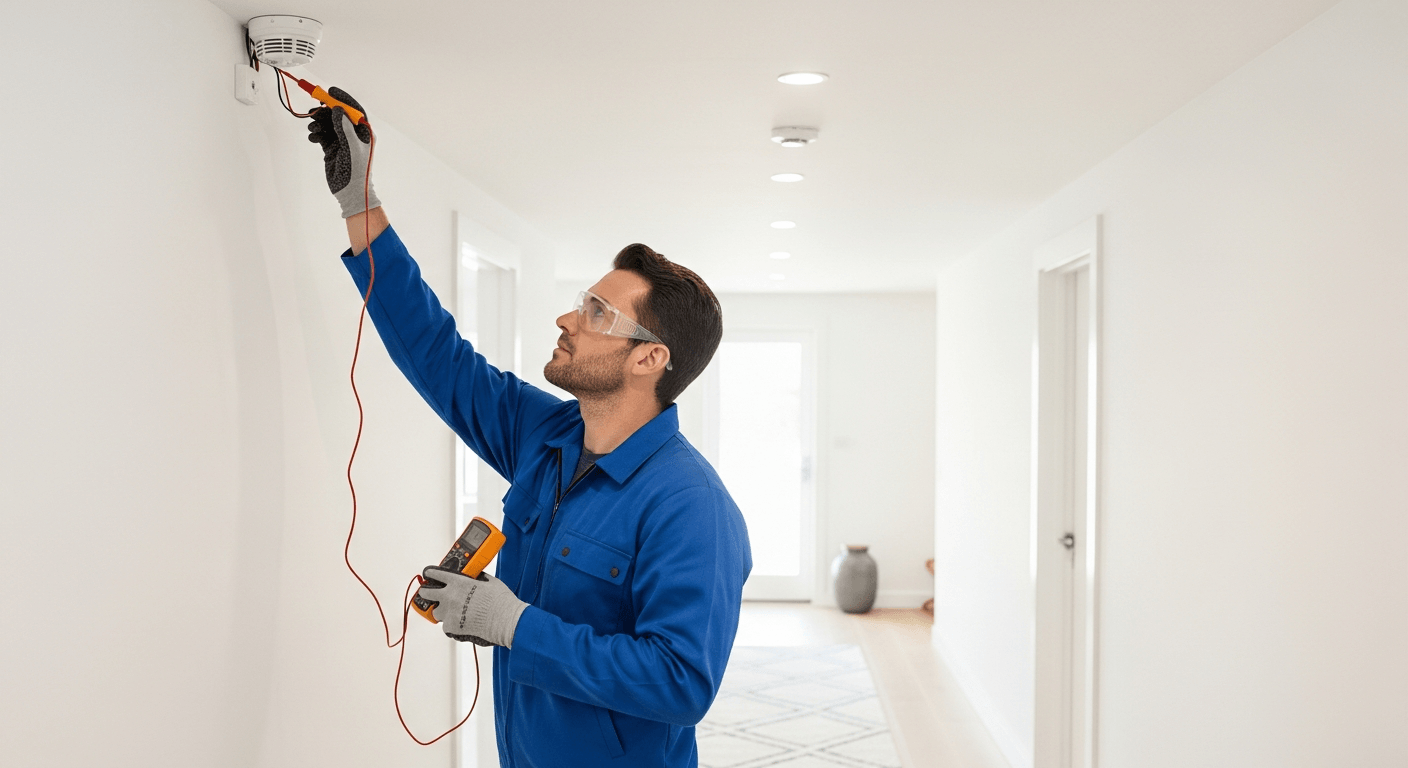
Smoke Alarm Legal Requirements for NZ Rental Properties
The Residential Tenancies (Smoke Alarms and Insulation) Regulations 2016 set the minimum requirements for rental property smoke alarms in New Zealand. Since 1 July 2016, all landlords have been legally required to provide working smoke alarms — and the rules are straightforward but non-negotiable.
Minimum Placement Requirements
| Requirement | Details |
|---|---|
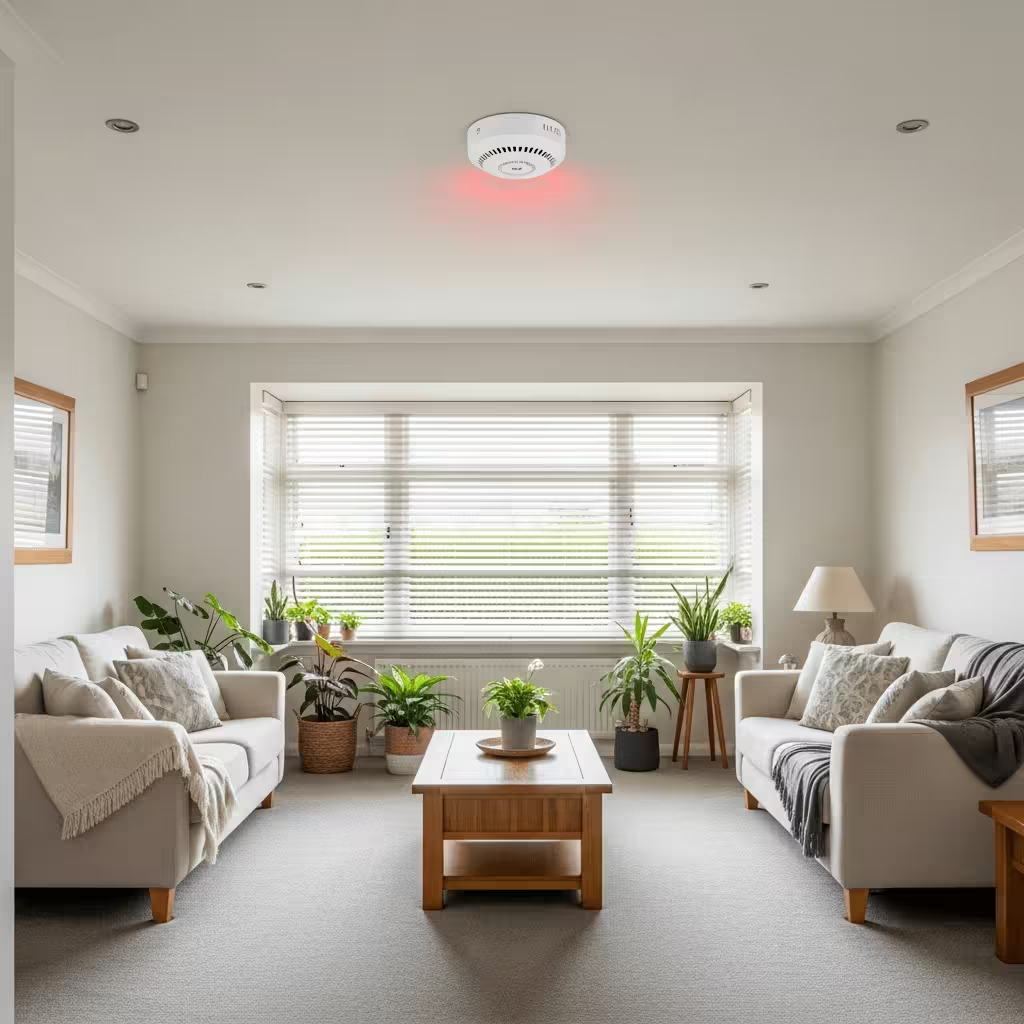
| Near bedrooms | Within 3 metres of every bedroom door |
| Every level | At least one smoke alarm on each storey |
| Alarm type | Long-life photoelectric (10-year battery or hardwired) |
| Working condition | Must work at the start of each new tenancy |
| Penalties | Up to $4,000 for non-compliance |
November 2024 Building Code Update (Clause F7)
The updated NZS 4514:2021 standard now applies to all new installations and significant alterations. Key changes include:
- Interconnection required — all alarms must be linked so when one sounds, they all sound
- Bedroom alarms — alarms inside bedrooms are now recommended (not just in hallways)
- Heat alarms — required in kitchens and garages where smoke alarms would false-trigger
- Photoelectric only — ionisation alarms are no longer acceptable for new installations
While existing rental properties don’t need to retrofit to the new standard immediately, any time you replace or add alarms, the new rules apply. This is particularly relevant for landlords upgrading older units like Kidde Fyrnetics to newer Clipsal Firetek models — the replacement must meet the current code.
Hardwired vs Battery: What’s Best for Rental Properties
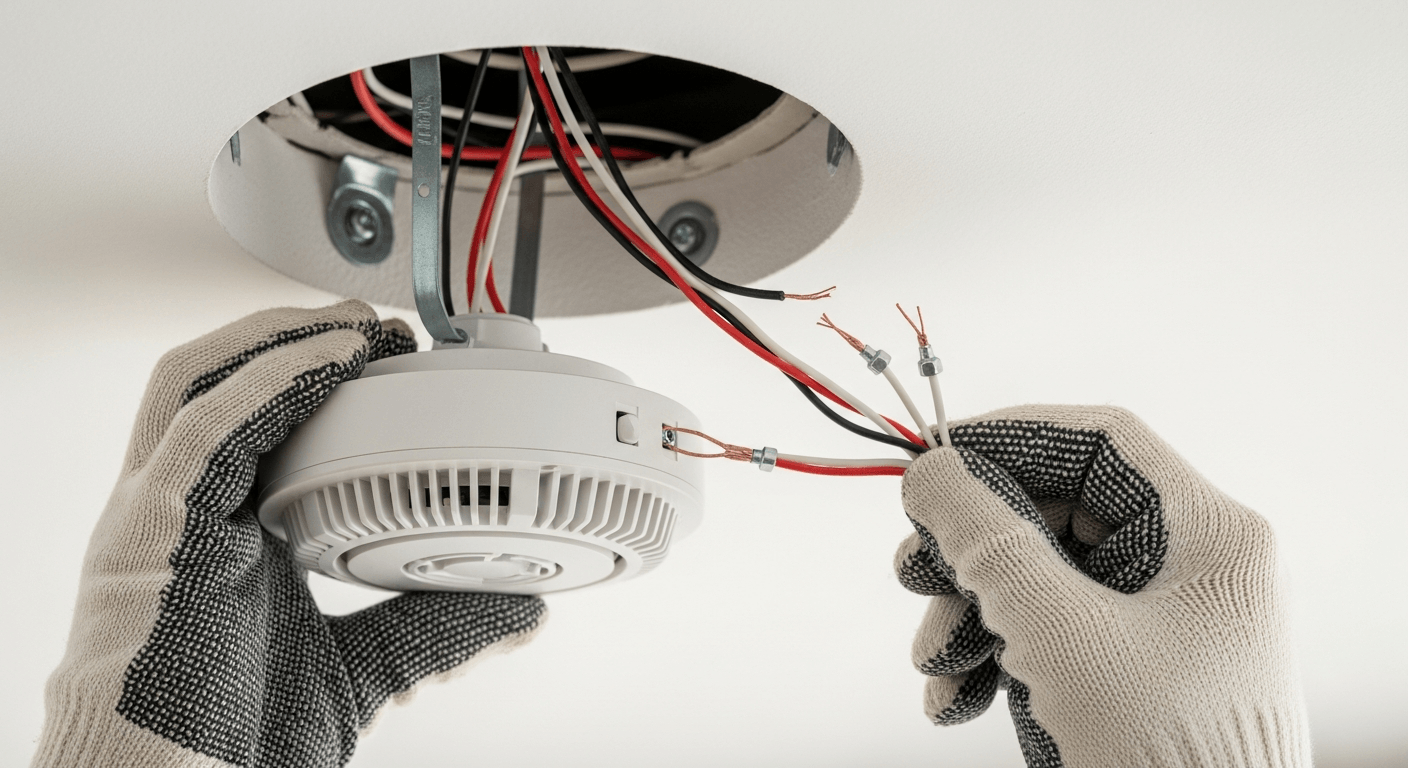
Both hardwired and long-life battery alarms are legally acceptable in NZ rentals, but they’re not equal when it comes to reliability and long-term cost.
| Feature | Hardwired (240V) | Long-Life Battery |
|---|---|---|
| Power source | Mains power + battery backup | Sealed 10-year lithium battery |
| Interconnection | Wired or wireless — easy to link | Wireless only (RF models) |
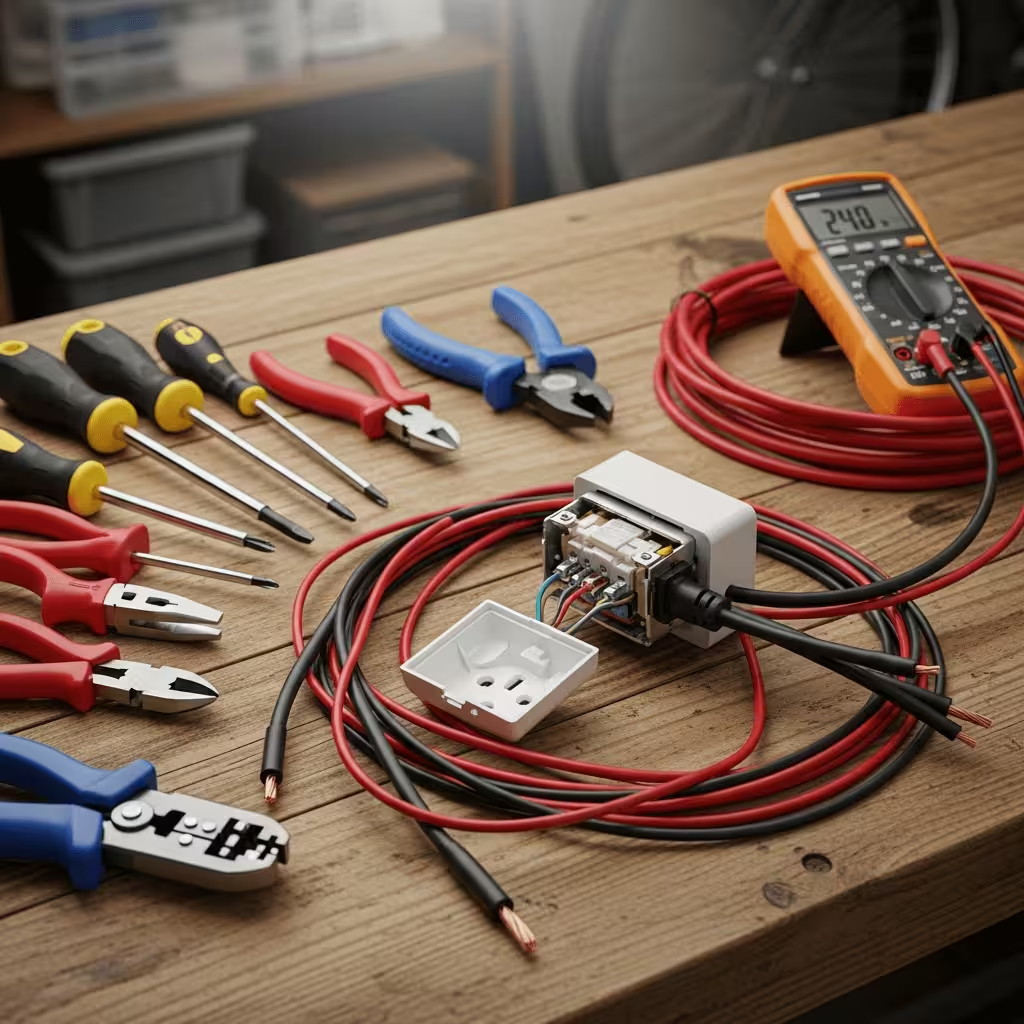
| Installation | Must be done by licensed electrician | DIY-friendly (no electrician needed) |
| Reliability | Highest — constant power supply | Good — but battery degrades over time |
| Tenant tampering | Difficult to disable | Can be removed from mount |
| Lifespan | 10 years (unit), battery backup replaceable | 10 years then entire unit replaced |
| Best for | Rental properties, multi-unit dwellings | Standalone situations, retrofits where wiring isn’t feasible |
For rental properties, hardwired interconnected alarms are the better investment. They can’t be easily disabled by tenants, they don’t rely on batteries alone, and when one alarm triggers, every alarm in the property sounds — giving occupants maximum warning time.
When Do Smoke Alarms Need Replacing?
Smoke alarms don’t last forever. Under NZ regulations and manufacturer guidelines, here’s when replacement is required:
- Every 10 years — all smoke alarms have a maximum 10-year lifespan, regardless of type
- When they fail testing — if pressing the test button doesn’t trigger the alarm, replace immediately
- After false alarms — persistent nuisance tripping often means the sensor is degrading
- When upgrading to meet code — replacing old ionisation alarms with photoelectric models
- Mixing brands in a hardwired system — if you have different models (e.g., some Kidde Fyrnetics and some Clipsal Firetek), they may not interconnect properly. Replacing all units with a single brand ensures the system works as designed
Check the manufacture date on the back of each alarm. If there’s no date visible or the alarm is yellowed and dusty, it’s almost certainly past its service life.
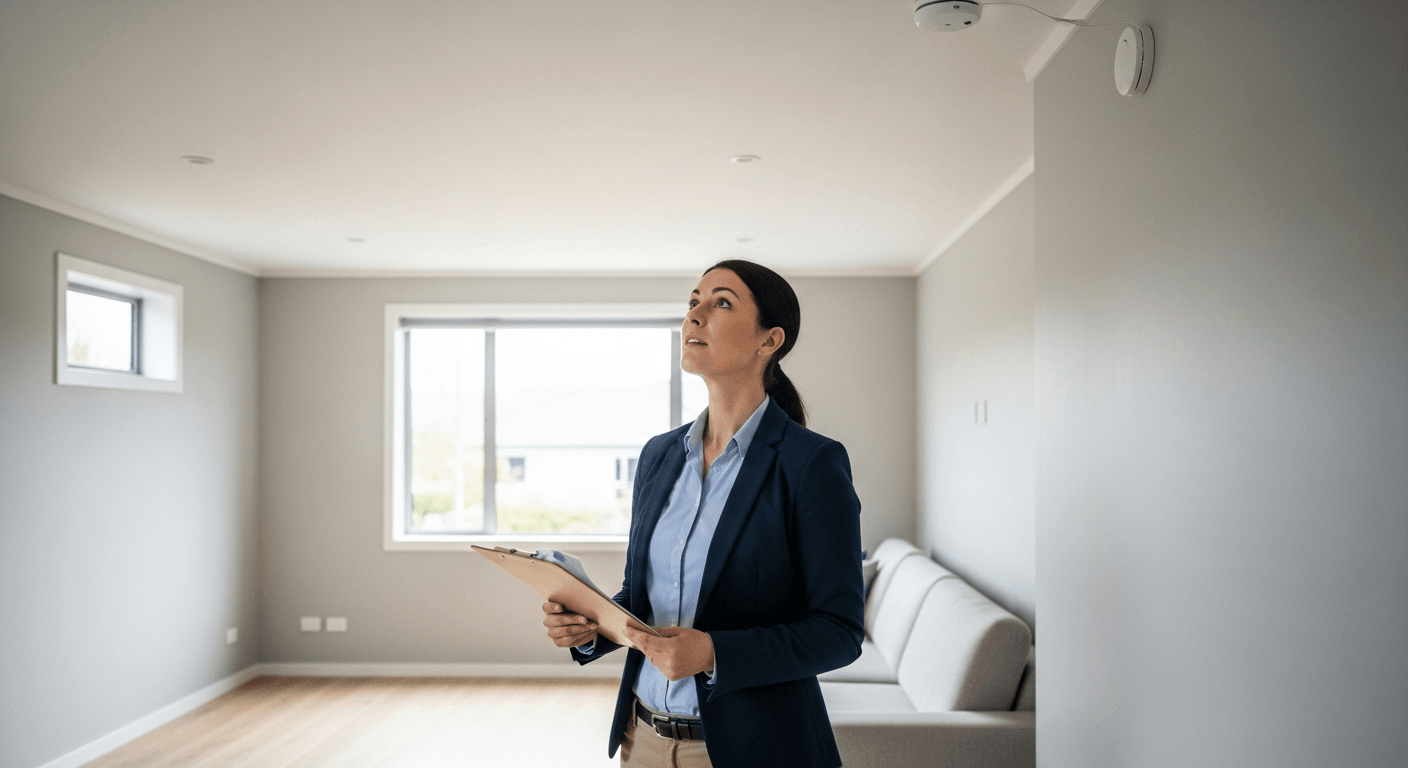
Landlord Smoke Alarm Compliance Checklist
Use this checklist before the start of each new tenancy:
| Check | Action Required |
|---|---|
| ✓ Alarm within 3m of every bedroom | Add alarms if any bedrooms are uncovered |
| ✓ At least one alarm per level | Install on any storey without coverage |
| ✓ All alarms are photoelectric type | Replace any ionisation alarms |
| ✓ Alarms less than 10 years old | Replace expired units |
| ✓ Test button activates alarm | Replace any non-functioning alarms |
| ✓ All hardwired alarms interconnected | Have electrician check wiring and linkage |
| ✓ Consistent brand/model throughout | Replace mismatched units for reliable interconnection |
| ✓ Documentation recorded | Note alarm locations, brands, install dates in tenancy records |
Why Choose BT Electrical Solutions
Getting your rental property’s smoke alarms right isn’t just about ticking a legal box — it’s about protecting your tenants and your investment. Our smoke alarm installation service in Christchurch covers everything from system inspections and single-unit replacements to full hardwired upgrades across multi-unit properties.
- Licensed and registered — all hardwired smoke alarm work must be done by a licensed electrician, and we’re fully registered with the Electrical Workers Registration Board
- Rental compliance specialists — we understand the specific requirements landlords face under the Residential Tenancies Act and can certify your property meets them
- Single-brand systems — we install Clipsal Firetek photoelectric alarms as standard, ensuring full interconnection compatibility across your entire system
- Inspection and replacement in one visit — we’ll check your existing system, identify non-compliant or expired units, and replace them on the spot where possible
Frequently Asked Questions
Who is responsible for smoke alarms in a rental property NZ?
The landlord is responsible for providing working smoke alarms that meet legal requirements at the start of each tenancy. Tenants are responsible for not tampering with alarms and replacing batteries in user-replaceable models during the tenancy. If a hardwired alarm fails, the tenant should notify the landlord, who must arrange a licensed electrician to repair or replace it.
Can I replace hardwired smoke alarms myself?
No. Under NZ law, any work on hardwired (240V) smoke alarms must be carried out by a licensed electrician. This includes replacing one hardwired unit with another. Attempting it yourself is illegal and could void your insurance.
Do all smoke alarms in a rental need to be interconnected?
Under the current tenancy regulations, interconnection is not explicitly required for existing installations. However, the updated Building Code (Clause F7, November 2024) requires interconnection for all new installations and significant upgrades. If you’re replacing alarms, it’s strongly recommended — and often required — to interconnect them.
How much does it cost to replace hardwired smoke alarms?
For a typical 3-bedroom rental in Christchurch, replacing all smoke alarms with new hardwired Clipsal Firetek units generally costs between $350 and $800, depending on the number of alarms and wiring complexity. Replacing just 2 units in an existing hardwired system is at the lower end of this range.
What happens if my rental property smoke alarms don’t comply?
Landlords can be fined up to $4,000 for failing to provide compliant smoke alarms. Beyond the fine, non-compliance could affect your insurance coverage if a fire occurs, and expose you to liability claims from tenants.
How often should smoke alarms be tested in a rental property?
Landlords should test all alarms at the start of each new tenancy and document it. During the tenancy, testing monthly is best practice. All smoke alarms should be replaced every 10 years regardless of whether they appear to still work.