Quick Answer: A whole-house surge protector costs between $300 and $800 installed in New Zealand and protects every appliance and device in your home from voltage spikes. Without one, a single power surge can destroy thousands of dollars worth of electronics in seconds.
What’s in This Guide
- What Is a Power Surge?
- Common Causes of Power Surges in Christchurch
- Types of Surge Protection for Your Home
- Whole-House vs Powerboard Surge Protectors
- Installation Cost in NZ
- Why Choose BT Electrical Solutions
- FAQs
What Is a Power Surge?
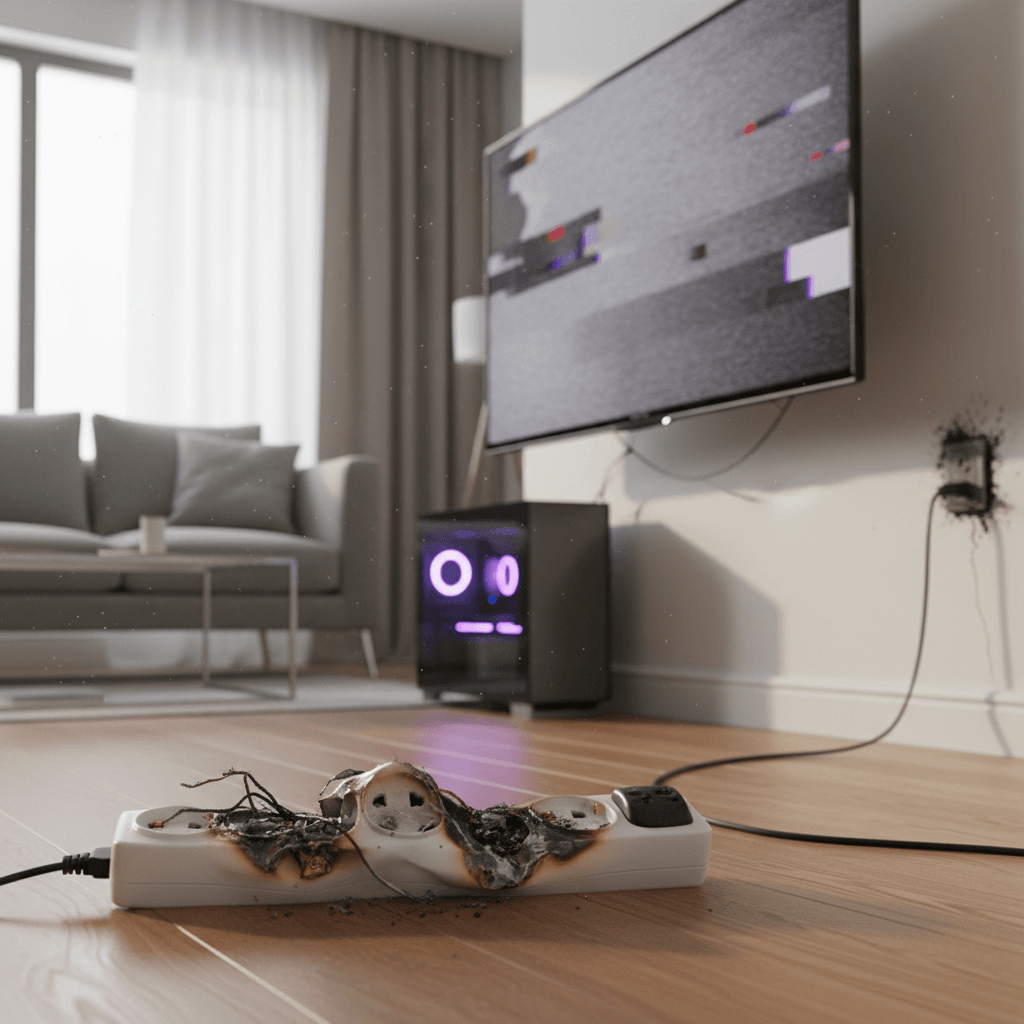
A power surge is a sudden spike in electrical voltage that exceeds the normal 230-volt supply in New Zealand homes. These spikes can last just milliseconds, but that’s long enough to damage or destroy sensitive electronics like computers, TVs, heat pumps, and smart home devices.
Most homeowners don’t realise they’ve experienced a surge until something stops working. Minor surges happen frequently and degrade your electronics over time, shortening the lifespan of appliances you rely on every day.
Common Causes of Power Surges in Christchurch
Canterbury’s climate and infrastructure create several surge risks that homeowners should be aware of:
| Cause | How It Happens | Risk Level |
|---|---|---|
| Lightning strikes | Direct or nearby strikes send massive voltage through power lines | Severe |
| Grid switching | Orion or Transpower switching operations cause momentary spikes | Moderate |
| Large appliance cycling | Heat pumps, hot water cylinders, and ovens create internal surges when starting | Moderate |
| Power restoration | Voltage spikes when power returns after an outage | High |
| Faulty wiring | Damaged or outdated wiring creates irregular voltage flow | Ongoing |
About 80% of power surges actually originate inside your home from large motor-driven appliances cycling on and off. These smaller surges are less dramatic than a lightning strike, but they accumulate over months and years, gradually wearing out your electronics.
Types of Surge Protection for Your Home
Surge protection in New Zealand follows a tiered approach based on AS/NZS 1768 (the Lightning Protection standard):
Type 1 (T1) – Main Supply Protection
Installed at the point where the mains supply enters your property. These handle large external surges from lightning and grid events. They’re typically required for properties with external lightning protection systems.
Type 2 (T2) – Switchboard Protection
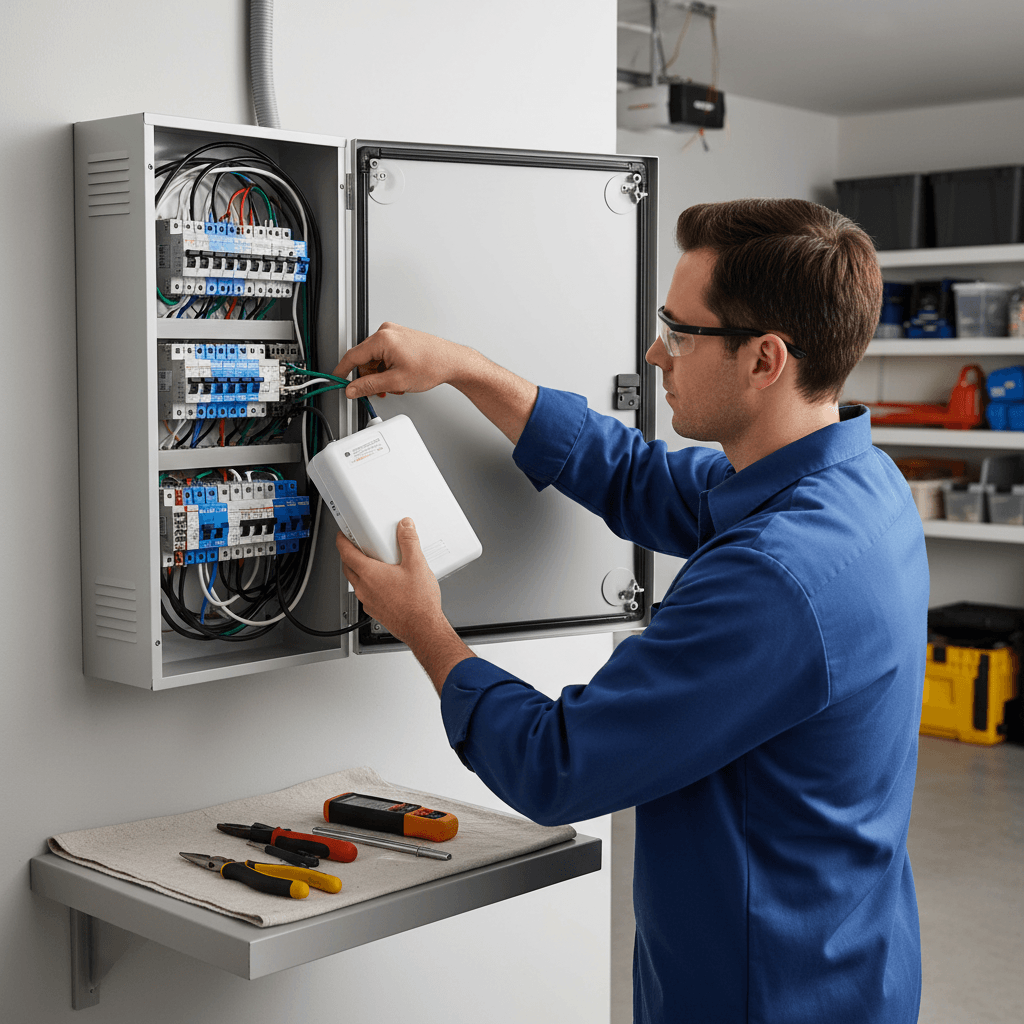
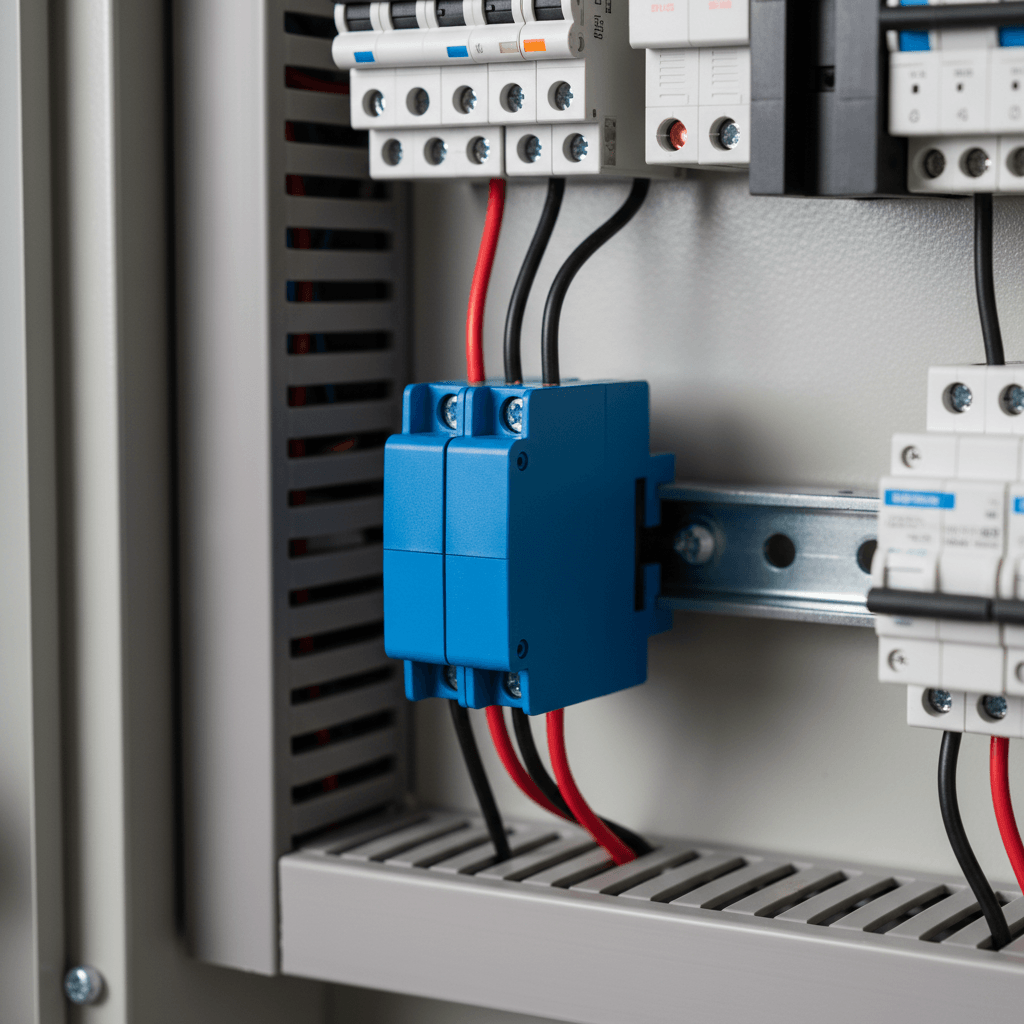
The most common option for residential homes. A Type 2 surge protection device (SPD) mounts directly inside your switchboard and protects your entire home’s electrical system. This is what most Christchurch homeowners should install as a minimum.
Type 3 (T3) – Point-of-Use Protection
Plug-in surge protector powerboards that protect individual devices. These work as a secondary layer but should never be your only protection. A surge can enter through any circuit in your house, and a powerboard only protects what’s plugged into it.
Whole-House vs Powerboard Surge Protectors
| Feature | Whole-House (Type 2 SPD) | Powerboard Surge Protector |
|---|---|---|
| Coverage | Every circuit in your home | Only devices plugged into it |
| Handles large surges | Yes (up to 40kA+) | Limited (typically 1-3kA) |
| Protects hardwired appliances | Yes (heat pumps, ovens, hot water) | No |
| Cost | $300–$800 installed | $30–$150 per unit |
| Installation | Licensed electrician required | Plug and play |
| Lifespan | 10–20 years (with indicator light) | 3–5 years (often no indicator) |
The best approach is to use both: a whole-house SPD at your switchboard as the first line of defence, combined with powerboard protectors on your most sensitive equipment like home offices and entertainment systems.
Surge Protection Installation Cost in NZ
| Protection Type | Device Cost | Installation | Total |
|---|---|---|---|
| Type 2 SPD (standard) | $150–$300 | $150–$250 | $300–$550 |
| Type 2 SPD (premium) | $300–$500 | $150–$300 | $450–$800 |
| Type 1 + 2 combined | $500–$900 | $200–$400 | $700–$1,300 |
Consider that a single surge can damage a heat pump worth $3,000–$5,000, a home entertainment system worth $2,000+, or a computer setup worth $1,500+. The $300–$800 investment in whole-house protection pays for itself the first time it prevents a damaging surge.
Signs Your Home Needs Surge Protection
You should consider installing a surge protector if any of these apply to your Christchurch home:
- You have expensive electronics – Smart TVs, gaming consoles, computers, and smart home systems are all vulnerable
- Your home has a heat pump – The compressor electronics are particularly sensitive to voltage spikes
- You’ve had flickering lights – This can indicate unstable voltage on your supply
- Your switchboard is older – Homes with older switchboards often lack modern protection features
- You work from home – A surge destroying your work computer and data could cost you far more than the protection
- You have solar panels – Inverters are expensive to replace and exposed to external surge risks
Why Choose BT Electrical Solutions
Our team has been protecting Christchurch homes and businesses for years. We assess your switchboard, recommend the right level of surge protection, and install everything to AS/NZS standards. If your switchboard needs attention before adding an SPD, our switchboard upgrade service in Christchurch handles both jobs in one visit.
We use quality SPD brands that include status indicator lights so you can always confirm your protection is active. We also test your earthing system during installation, since effective surge protection depends on a solid earth connection.
Frequently Asked Questions
How long does a whole-house surge protector last?
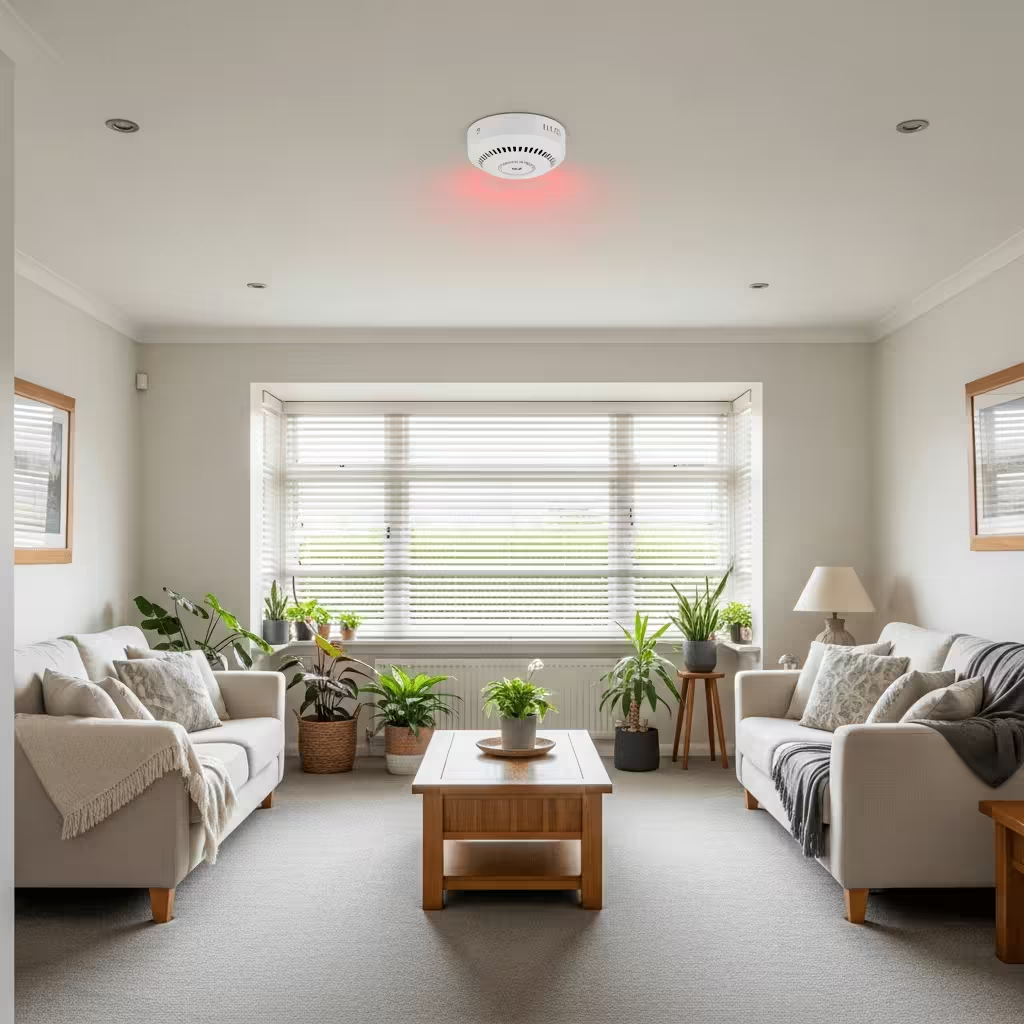
A quality Type 2 SPD typically lasts 10–20 years, depending on how many surges it absorbs. Most devices have an indicator light that shows green when active and red when the protection element needs replacing.
Do I still need powerboard surge protectors if I have whole-house protection?
A layered approach is best. The whole-house SPD handles the bulk of the surge energy, and point-of-use protectors provide a second line of defence for your most sensitive devices. Together they offer the best protection.
Can a surge protector save my electronics during a lightning strike?
A Type 2 SPD can handle indirect lightning surges that travel through the power grid. A direct strike to your home is a different story and would require Type 1 protection. However, indirect surges from nearby strikes are far more common and a Type 2 SPD handles these well.
Does surge protection affect my power bill?
No. An SPD only activates when it detects a voltage spike. During normal operation it draws negligible power and has zero impact on your electricity costs.
Is surge protection required by NZ electrical regulations?
AS/NZS 3000 Wiring Rules don’t mandate surge protection for all residential installations, but they do recommend it. Insurance companies may also look more favourably on claims if you can show you had reasonable protection in place.
Can you add a surge protector to an existing switchboard?
Yes, in most cases a Type 2 SPD can be added to your existing switchboard if there’s a spare way available. If your switchboard is full or outdated, we may recommend upgrading it at the same time.