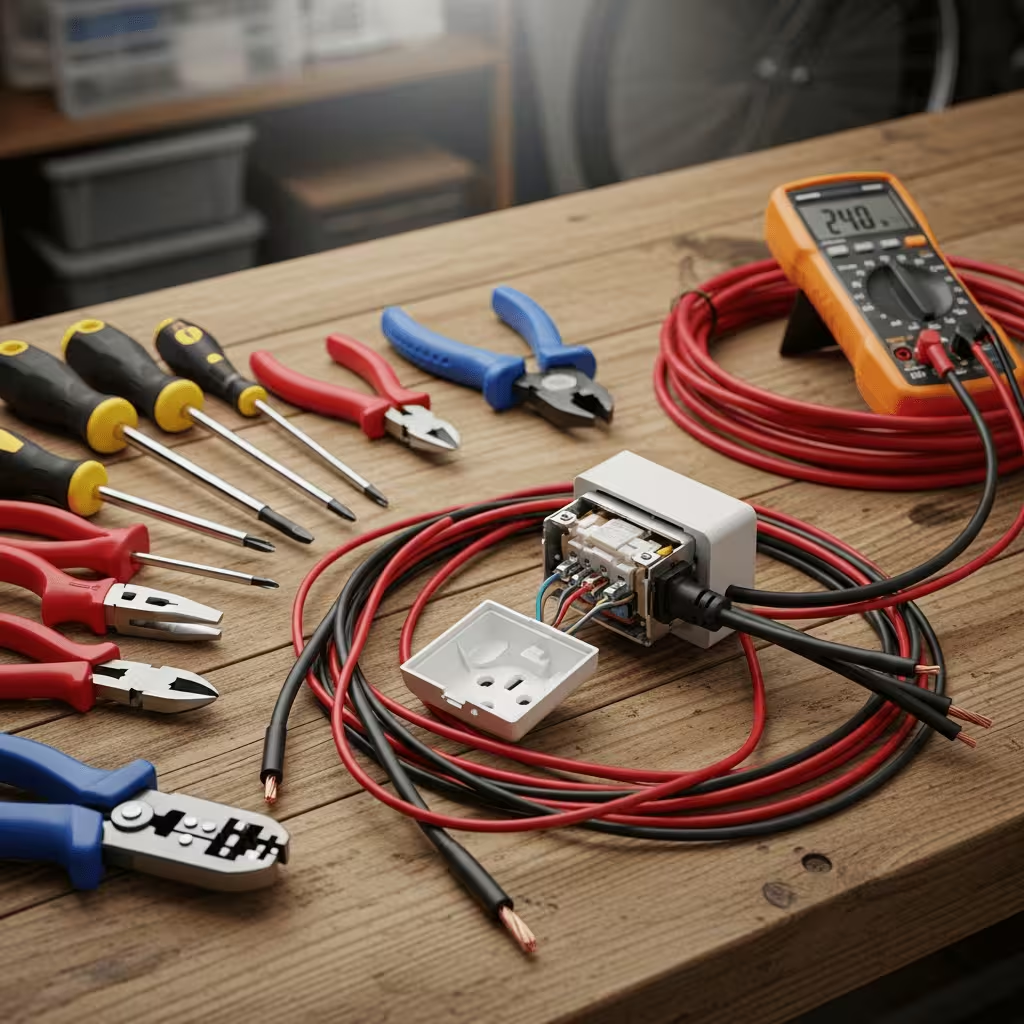
An electrical safety certificate is required whenever electrical installations are completed or altered to ensure safety and compliance with regulations. It’s essential for landlords, homeowners, and businesses to hold valid certificates to verify that installations meet safety standards.
- What is an electrical safety certificate?
- Why do I need an electrical safety certificate?
- Who can issue an electrical safety certificate?
- When is an electrical safety certificate required?
- How long is an electrical safety certificate valid for?
- What happens during an electrical inspection for safety certification?
- Can I sell my house without an electrical safety certificate?
- How can I prepare for an electrical inspection?
Welcome to BT Electrical Solutions’ comprehensive guide on understanding when an electrical safety certificate is required in Christchurch, New Zealand. This article aims to address a critical aspect of maintaining safety standards in homes and businesses across the region. Understanding when you need an electrical safety certificate—and what an EICR certificate costs—is vital for landlords, homeowners, and business operators alike. In a world where safety regulations are increasingly important, having this knowledge not only ensures compliance but also guarantees the safety of the occupants and the integrity of the electrical installations.
What is an Electrical Safety Certificate?
An electrical safety certificate is a document that verifies electrical installations meet the required safety standards. It is typically issued as part of an electrical maintenance inspection after a certified electrician conducts thorough assessment work. This document serves as proof that your electrical systems are safe and fit for use. For those in Christchurch, engaging a trusted provider like BT Electrical Solutions ensures that you receive an accurate assessment of your electrical installations.
Why is it Important?
Possessing a valid electrical safety certificate is crucial for several reasons. Firstly, it provides legal documentation that all electrical installations in a property comply with the local safety standards. For property owners, this is an indispensable part of ensuring that all rental and sale properties meet necessary legal requirements. Moreover, having an updated certificate can prevent potential hazards associated with faulty electrics, such as short circuits, which could lead to fires or electrical shocks.
When Do You Need One?
Understanding when you need an electrical safety certificate is as important as the certificate itself. Typically, you are required to have one when any new electrical installation is performed, when existing installations undergo significant alterations, or during regular safety inspections mandated by local regulations. Additionally, property sales and tenancy agreements often require the presentation of an up-to-date electrical safety certificate to ensure compliance and peace of mind for all parties involved.

The Process of Obtaining an Electrical Safety Certificate
As the importance of maintaining electrical safety in both residential and commercial settings grows, understanding the process of obtaining an electrical safety certificate becomes vital. Whether you’re a homeowner or a landlord, having this certificate is essential for ensuring that your premises meet the legal safety standards set forth by regulatory bodies. This section delves into the steps you need to follow to acquire this critical document.
Who to Contact for an Electrical Safety Certificate
The first step in securing an electrical safety certificate is identifying a qualified professional who can perform the necessary inspections. In Christchurch, New Zealand, you should reach out to certified electricians, such as those from BT Electrical Solutions, as they are well-versed in local electrical codes and standards. These professionals possess the requisite knowledge and experience to conduct comprehensive assessments of your electrical systems and installations. It is crucial to ensure that the electrician you choose is registered with the Electrical Workers Registration Board (EWRB), guaranteeing that they meet the professional standards for electrical works.
The Inspection Process
Once you’ve identified a reputable professional, the next phase involves an on-site inspection of the electrical systems. This inspection is a thorough evaluation of the property’s wiring, circuits, and electrical appliances. The electrician will perform thorough electrical fault finding, checking for any potential hazards, non-compliance with safety standards, or outdated installations that could pose risks. During the inspection, it is advisable for property owners or managers to provide full access to all areas where electrical systems are located. Depending on the size and complexity of the property, this process can vary in duration but typically includes a detailed examination of the electrical health of the building.
Receiving the Electrical Safety Certificate
Upon successful completion of the inspection and verification that the property complies with safety regulations, the certified electrician will issue the electrical safety certificate. This certificate is an official document that confirms the electrical systems are up to current safety standards and can significantly help in promoting the safety and liability of the property. It is important to retain this document as part of your property records because it may be required for future transactions, insurance purposes, or during audits.

Key Benefits of Holding an Electrical Safety Certificate
Beyond the obvious compliance with safety regulations, holding an electrical safety certificate offers numerous advantages that can enhance your property’s value and ensure the well-being of its occupants. This section delves into the practical and strategic benefits of possessing this crucial document, focusing not only on compliance but also on broader impacts that resonate with both private homeowners and commercial property managers.
Increased Property Value
Possessing a valid electrical safety certificate signals to potential buyers and investors that your property is well-maintained, safe, and up to code. This assurance can increase property value as it appeals to a market conscious of safety and compliance standards. Real estate transactions often require an electrical safety certificate as part of the due diligence process, making it an essential document for sellers who wish to avoid unnecessary delays and maximize their property’s appeal.
Enhanced Safety and Reduced Liability
An electrical safety certificate provides peace of mind by confirming that your electrical systems have been inspected by qualified professionals and deemed safe. This significantly reduces the risk of electrical accidents, which can lead to fires and other hazards, thus protecting both property and human lives. In commercial settings, this certification can also mitigate liability risks, shielding businesses from potential legal issues should an incident occur, thereby safeguarding both the business and its stakeholders.
Energy Efficiency and Sustainability
Through the inspection process required for an electrical safety certificate, inefficiencies in your electrical systems may be identified and corrected. Certified inspectors can pinpoint outdated or faulty wiring that contributes to excessive energy consumption. Addressing these issues results in more efficient energy use, translating to cost savings on utility bills and contributing to overall sustainability efforts, a growing concern for both individuals and businesses striving to reduce their carbon footprint.
Establishing Trust and Compliance
Finally, an electrical safety certificate serves as a testament to your commitment to safety standards and legal compliance. For landlords and business owners, this commitment not only strengthens trust with tenants and clients but also ensures adherence to legal requirements. Regular updates to electrical systems maintain this trust and ensure ongoing compliance with ever-evolving regulations, positioning property managers and owners as responsible and reliable entities.
Understanding these benefits enhances the value perception of an electrical safety certificate, encouraging proactive compliance. This direction naturally leads us to consider why choosing the right professional for acquiring your certificate is crucial.
Why Choose BT Electrical Solutions for Electrical Safety Certification
When seeking an electrical safety certificate, finding a reliable partner with a solid reputation and thorough local expertise is paramount. Located in Christchurch, New Zealand, BT Electrical Solutions stands at the forefront of electrical services, offering unparalleled professional services. This section delves into how BT Electrical Solutions differentiates itself as the ideal choice for your electrical safety certification needs.
Experienced Local Experts
BT Electrical Solutions boasts a team of certified and highly skilled electricians with years of experience in the Christchurch region. Their deep understanding of local regulations and safety standards means you can trust them to deliver solutions that meet all thresholds for compliance and safety. The company’s firm grounding in the community enables them to provide tailored services that address specific regional challenges, ensuring that each client’s unique situation is handled with the utmost care and precision.
What Sets Us Apart
One of the aspects that distinguish BT Electrical Solutions from the rest is their commitment to client satisfaction and long-term relationships. They are not just another Christchurch electrician; they are a part of the community, offering reliable, consistent, and honest services that have resulted in a strong track record of positive client reviews. Their dedication to quality is evident in their seamless service delivery, attention to detail, and use of cutting-edge technology, ensuring every electrical safety certificate issued stands up to the highest scrutiny.
Additionally, BT Electrical Solutions is known for their prompt and efficient service, guaranteeing not only quality but also timely execution of tasks, which is crucial for any compliance requirements. Whether it’s a standard inspection or a more complex situation needing innovative solutions, their team is adept at handling all scenarios with professionalism.
If you’re after expert assistance from an electrician in Christchurch to guide you through obtaining your needed certifications, BT Electrical Solutions is your best bet. They offer a comprehensive approach to electrical safety, combining technical skill with genuine customer care.
As we move forward, the next section will address ‘Frequently Asked Questions’. This offers clarity on common queries about when an electrical safety certificate is required, ensuring you feel informed and confident in your decisions.
Frequently Asked Questions
What is an electrical safety certificate?
An electrical safety certificate is a formal document that verifies all electrical installations in a property meet national safety standards. It ensures that the wiring, circuits, and other electrical elements are safe and in proper working order.
Why do I need an electrical safety certificate?
Having an electrical safety certificate is crucial to confirm that your property complies with current safety regulations. It provides peace of mind for property owners and tenants alike, knowing that the electrical systems are safe and up to standard.
Who can issue an electrical safety certificate?
Only a registered and qualified electrician or engineer is authorised to issue an electrical safety certificate. They will carry out a comprehensive inspection of the property’s electrical systems before issuing the document.
When is an electrical safety certificate required?
An electrical safety certificate is required when new electrical installations are carried out, during most property sales, or if a landlord needs to meet rental safety regulations. It is essential to ensure compliance with safety laws in Christchurch, New Zealand.
How long is an electrical safety certificate valid for?
The validity of an electrical safety certificate can vary. For rental properties, it typically lasts five years, while homeowners should consider having checks every ten years or with any substantial work.
What happens during an electrical inspection for safety certification?
During an inspection, the electrician will check the wiring, outlets, switches, and any electrical installations for defects, ensuring everything is up to the required safety standards before issuing a certificate.
Can I sell my house without an electrical safety certificate?
While it’s not always legally required to have an electrical safety certificate to sell a house, it can increase buyer confidence and may be a condition set by real estate agents or buyers themselves.
How can I prepare for an electrical inspection?
To prepare for an electrical inspection, ensure easy access to all areas needing inspection, inform the electrician of any known electrical issues, and have previous certificates available if possible.