DIY electrical repairs are not safe in New Zealand due to stringent legal regulations prohibiting unlicensed individuals from conducting prescribed tasks, reinforcing the need for professional intervention.
- Introduction
- Section 2: Detailed Legal Overview of Electrical Repairs in NZ
- Safe and Legal Approaches to Home Electrical Maintenance
- Why Choose BT Electrical Solutions for Reliable Electrical Repairs and Safety
- Frequently Asked Questions
- Can I legally perform electrical repairs in New Zealand?
- What are the risks associated with DIY electrical repairs?
- Who can conduct prescribed electrical work?
- Are there any electrical tasks I can do myself?
- Why should I hire a professional electrician in Christchurch?
- How can I verify an electrician’s credentials in New Zealand?
- What is a Certificate of Compliance?
- What should I consider before starting any electrical work?
The allure of DIY projects often spans various domains, from simple home improvements to intricate repairs. However, when it comes to electricity, safety concerns and legal restrictions render DIY electrical repairs unsafe and illegal in New Zealand. The country mandates that specific electrical tasks, termed as ‘prescribed work’, are to be handled exclusively by certified professionals, such as those registered with the Electrical Workers Registration Board (EWRB).
Legal Implications of DIY Electrical Repairs
In New Zealand, undertaking electrical repairs without proper certification is not only perilous but also carries legal repercussions. Prescribed electrical work, including the installation of wiring and switchboards, falls under strict regulation. Attempting these as a DIY project violates legal requirements, leading to significant fines up to $10,000 and potential voiding of home insurance policies. Such regulations are in place to mitigate the risks of fire hazards and electrocution, underscoring why professional intervention is paramount.
Safety Risks of DIY Electrical Projects
Beyond legal concerns, the primary risk of DIY electrical repairs lies in their inherent danger. Incorrect handling can result in critical safety issues such as electrical fires or shocks. These incidents not only threaten the individual but can also lead to irremediable home damage. Professional electricians are trained to adhere to established safety standards, significantly reducing such risks.
Understandably, the DIY approach is tempting for minor tasks. Nonetheless, even non-prescribed tasks, like testing Residual Current Devices (RCDs) or changing light bulbs (or diagnosing a faulty fluorescent light), should be approached cautiously. While permissible, they require a basic understanding of electrical safety and the adherence to proper procedures.
Professional Requirements and Benefits
All prescribed electrical work must culminate in the issuance of a certificate of compliance by an EWRB-registered electrician, a crucial step reassuring homeowners of the adherence to safety standards and regulatory compliance. In Christchurch, as elsewhere in New Zealand, the industry follows stringent national guidelines, highlighted by new regulations set for 2025 which accentuate the necessity for professional involvement in any new installations.
For businesses like BT Electrical Solutions in Christchurch, these regulations underscore the value of professional services. By choosing licensed electricians, homeowners not only ensure regulatory compliance but also safeguard their property and personal safety against potential electrical mishaps.
Section 2: Detailed Legal Overview of Electrical Repairs in NZ
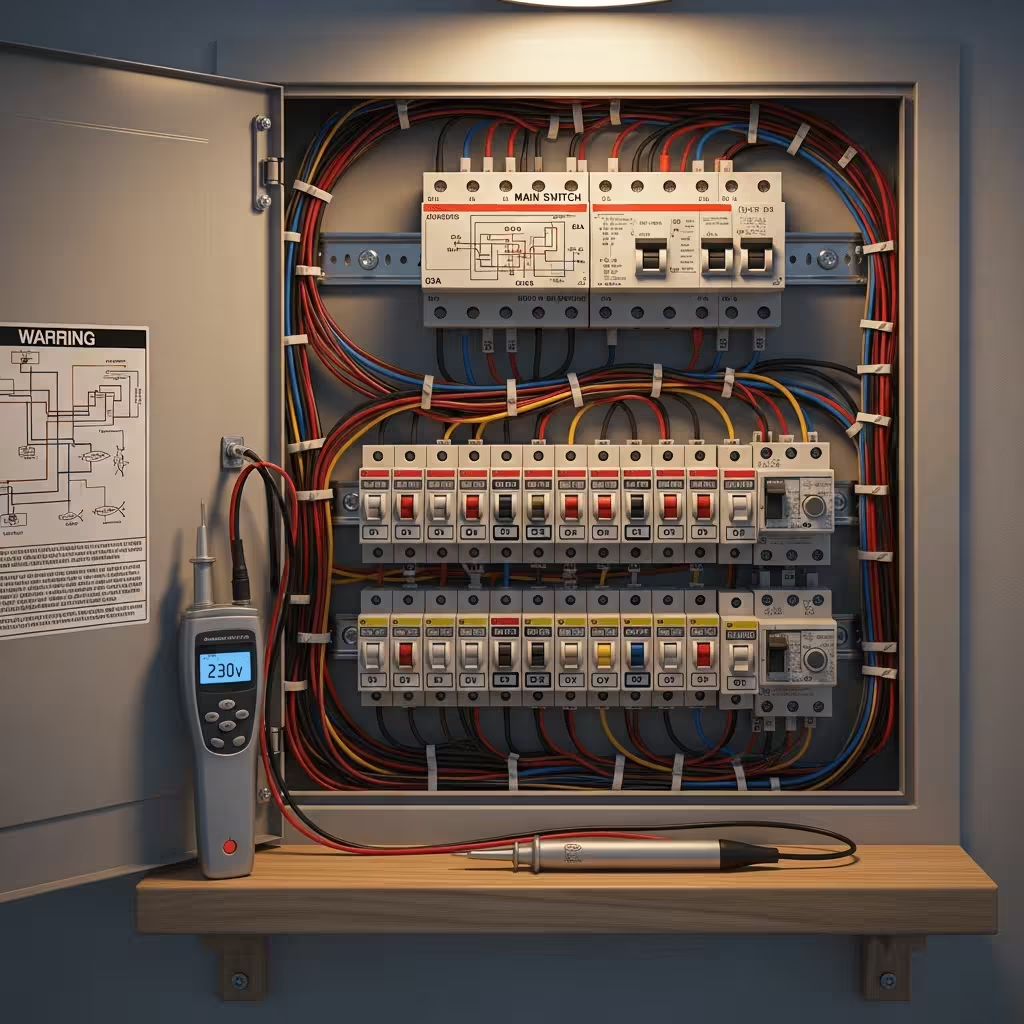
The safety of DIY electrical repairs involves strict legal frameworks in New Zealand that govern who can legally perform electrical work. According to the Electricity Act 1992, only registered or licensed electricians are authorized to conduct most electrical repairs. This legal structure ensures that electrical work is performed safely and reliably, reducing risks associated with amateur repairs. DIY enthusiasts attempting repairs without proper certification may face fines and legal action, demonstrating the stringent nature of these laws designed to protect both individuals and property.
Regulations and Governing Authorities
The Worksafe New Zealand and the Electrical Workers Registration Board (EWRB) play pivotal roles in regulating and overseeing electrical work in Christchurch and beyond. The EWRB is tasked with ensuring electricians meet the qualifications to perform electrical work, requiring practitioners to adhere to the New Zealand Electrical Code of Practice. WorkSafe enforces safety standards that protect people from potential electrical hazards, ensuring compliance not only promotes safety but also avoids legal penalties.
Common Mistakes and Legal Consequences
Common DIY electrical mistakes include inadequate grounding, improper wire sizing, and failure to adhere to polarity which can lead to severe safety hazards. Such errors not only compromise safety but also breach legal standards, potentially voiding insurance policies. Homeowners undertaking these repairs without understanding these technicalities may inadvertently violate the Electricity (Safety) Regulations 2010, inviting significant fines and liability issues. The repercussions of non-compliance highlight the importance of hiring certified professionals from BT Electrical Solutions for electrical tasks in Christchurch.
Insurance Implications of Unauthorized Repairs
Performing unauthorized electrical repairs can also impact home insurance policies. Insurance companies may refuse coverage for incidents that arise from unapproved DIY electrical work, as these activities contravene policy conditions requiring work to be conducted by licensed professionals. This lack of coverage could translate into out-of-pocket expenses following any damage or injury. To safeguard against such scenarios, it is advisable to consult with qualified electricians who meet all regulatory requirements, ensuring both compliance and peace of mind.
Transitioning into practical approaches, the next section will explore safe and legal steps homeowners can take regarding electrical maintenance and repairs, offering strategies to ensure compliance while avoiding unnecessary risk.
Safe and Legal Approaches to Home Electrical Maintenance
Understanding the risks and regulations outlined in previous sections, homeowners must navigate electrical repairs with caution to ensure compliance and safety. This section explores practical, legal tasks that can be safely performed by homeowners, alongside guidance on when to hire a professional electrician to mitigate potential hazards and legal issues.
Routine Maintenance Tasks
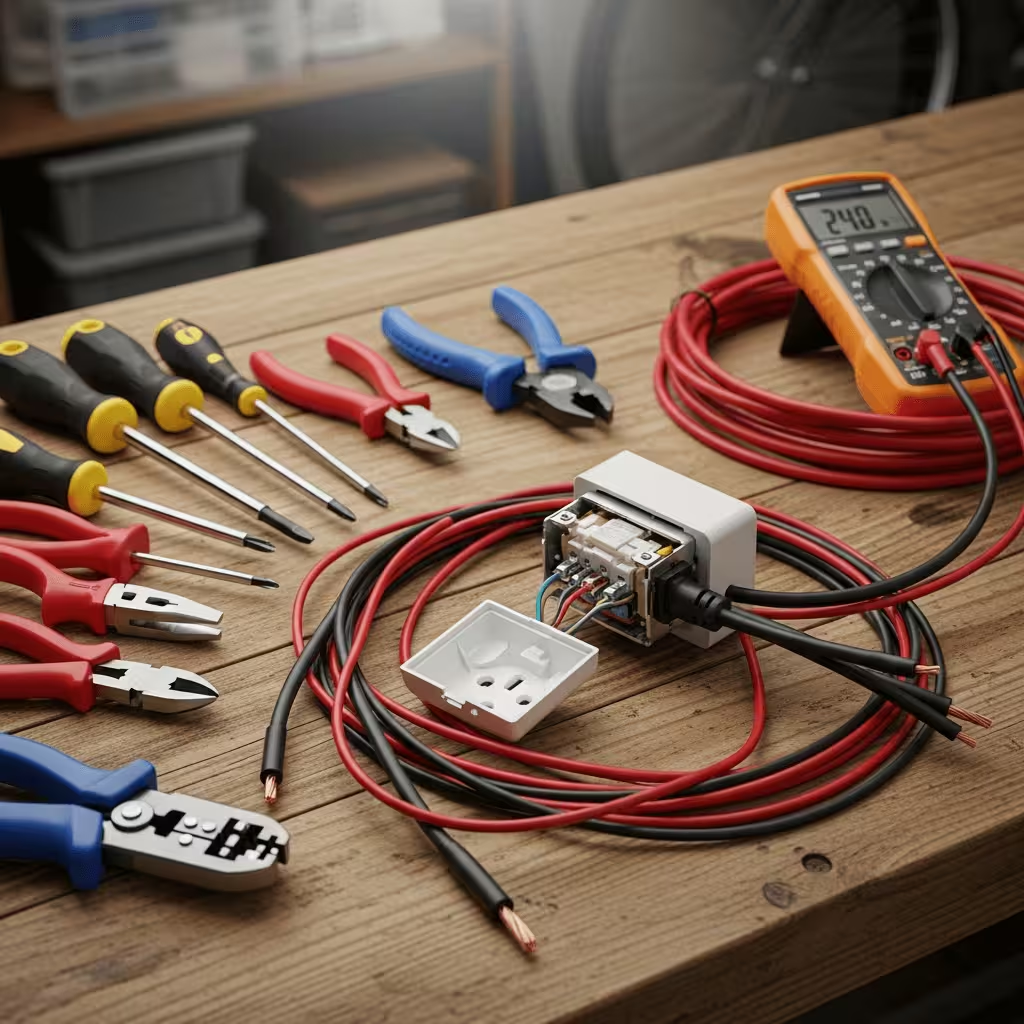
Homeowners can undertake several routine electrical maintenance tasks without compromising safety or legality. These tasks generally include basic upkeep such as replacing light bulbs, fixing pull cord light switches, resetting tripped circuit breakers, or checking smoke detectors. Always ensure power is off when handling electrical components, wearing insulated gloves, and using non-metallic tools to minimize risk. Regular maintenance of these small components can prevent larger systemic failures and increase overall safety in the home environment.
Importance of Do’s and Don’ts
Knowing what you can and cannot do is crucial in DIY electrical maintenance. Do’s involve scheduled inspection of electrical outlets and switches for signs of wear, ensuring outlets are not overloaded, and safely cleaning fixtures by removing dust and debris. Don’ts include attempting repairs on fixed wired systems, such as circuit rewiring, which should always be handled by licensed professionals. Proper education and understanding of these do’s and don’ts help in sustaining home electrical systems’ integrity without crossing legal boundaries.
When to Hire Professionals
Hiring a professional, like those from BT Electrical Solutions, becomes essential when repairs or updates exceed the safe scope of DIY tasks. This includes when installations are needed, significant alterations to existing wiring systems, or when you plan to install new circuits. Professionals are trained, licensed, and equipped to diagnose the issue professionally and handle the complexities of electrical systems, ensuring compliance with New Zealand regulations and providing peace of mind through expertise and insurance-backed work. For residents in Christchurch, engaging local electricians not only ensures adherence to regional standards but also contributes to community safety.
Engaging with professionals for any questionable repairs not only upholds safety but also ensures legal adherence, preventing long-term liabilities that could arise from unapproved work. Transitioning from understanding what you can do legally and safely to engaging qualified professionals as needed is vital for maintaining a secure and law-abiding home environment.
In maximizing the safety of DIY electrical repairs and maintenance, knowing the safe boundaries of your capabilities is crucial. Section 4 will discuss why BT Electrical Solutions in Christchurch stands out as a premier choice for any needed electrical interventions, offering unmatched expertise, reliability, and customer trust.
Why Choose BT Electrical Solutions for Reliable Electrical Repairs and Safety
In the realm of electrical repairs, especially when it comes to the safety of DIY electrical repairs, entrusting your needs to a seasoned professional is a prudent decision. BT Electrical Solutions, located in Christchurch, New Zealand, emerges as a top-notch choice for those aiming to ensure safety and compliance with New Zealand’s rigorous electrical regulations. Our local presence and deep-seated expertise allow us to deliver unmatched service, safeguarding your home and ensuring all repair works are conducted up to code.
Experienced Local Experts
BT Electrical Solutions boasts a team of highly trained professionals who understand the intricate requirements and standards of Christchurch electrical repairs. Each team member is dedicated to maintaining the highest levels of safety and efficiency. Our electricians are not only technically skilled but also well-versed with the specific challenges posed by the New Zealand environment, allowing us to pre-emptively address potential issues.
What Sets Us Apart
What truly distinguishes BT Electrical Solutions from competitors is our unwavering commitment to customer satisfaction and safety. We adhere to a comprehensive approach that involves not just fixing the issue at hand but also offering insightful electrical safety tips for your home. Our reputation for reliability is bolstered by numerous satisfied clients who appreciate our transparent communication and thorough service. In addition to our professional capacity, we offer a comprehensive range of electrical solutions in Christchurch, ensuring that every need is met with quality and efficacy.
Our services are highly regarded, with our clients continually praising our attention to detail and professionalism. Each project is approached with a tailored plan, ensuring that results adhere to the highest standards of safety and quality as mandated by existing electrical regulations for home rewiring.
As you consider your options for safety and electrical repair services, rest assured that BT Electrical Solutions stands as a pillar of excellence and reliability. In the next section, Section 5: Frequently Asked Questions, we will delve into the most common inquiries related to the safety of DIY electrical repairs to provide you with additional clarity and assurance.
Frequently Asked Questions
Can I legally perform electrical repairs in New Zealand?
In New Zealand, most electrical repairs are considered “prescribed electrical work” and must be carried out by a registered electrician. DIY efforts are illegal and can result in significant penalties. Always check the rules and hire a professional for anything beyond changing a light bulb or other basic tasks.
What are the risks associated with DIY electrical repairs?
DIY electrical repairs can lead to serious hazards including fire, electrocution, and damage to property. Such activities may also void your insurance policy and result in hefty fines. Always prioritise safety and compliance by consulting a registered professional.
Who can conduct prescribed electrical work?
Only registered electricians, such as BT Electrical Solutions, recognised by the Electrical Workers Registration Board (EWRB) in New Zealand can legally perform prescribed electrical work. They ensure that all work complies with national safety regulations.
Are there any electrical tasks I can do myself?
As a homeowner, you can safely conduct non-prescribed tasks like changing light bulbs and testing RCDs (Residual Current Devices). For any complex issues, it is best to hire a qualified electrician.
Why should I hire a professional electrician in Christchurch?
Hiring a registered electrician in Christchurch ensures that all electrical work is safe, compliant, and certified, reducing the risk of accidents and legal issues. Power installations and repairs are best handled by those who are trained and experienced.
How can I verify an electrician’s credentials in New Zealand?
You can verify an electrician’s credentials through the Electrical Workers Registration Board’s official website, where you can confirm their current registration status and professional licenses.
What is a Certificate of Compliance?
A Certificate of Compliance (CoC) is a legal document issued by a registered electrician upon completing prescribed electrical work. It confirms that the work meets regulatory safety and standards.
What should I consider before starting any electrical work?
Before starting any electrical work, consider whether the task requires a licensed professional. Evaluate the risks, legal responsibilities, and ensure compliance with safety standards. If in doubt, always consult with a professional electrician.
Key Insights
DIY electrical repairs in New Zealand are not safe or legal for most tasks, as prescribed electrical work—like installing or modifying fixed wiring, adding power points, switchboard work, or new circuits—must be done by EWRB-registered electricians who issue a Certificate of Compliance.[1] Homeowners can only safely perform limited non-prescribed tasks, such as replacing light bulbs, testing RCDs, or resetting breakers (if not faulty), with violations risking $10,000 fines, voided insurance, fire hazards, and electrocution; recent 2024 rental rules mandate 4-yearly checks by professionals.[1][2]
Even permitted DIY requires strict safety steps like turning off power, testing with voltage detectors, and wearing protective gear, but experts strongly advise calling licensed electricians for anything beyond basics to avoid injury or non-compliance, especially in Christchurch where local regulations align nationally.[2]