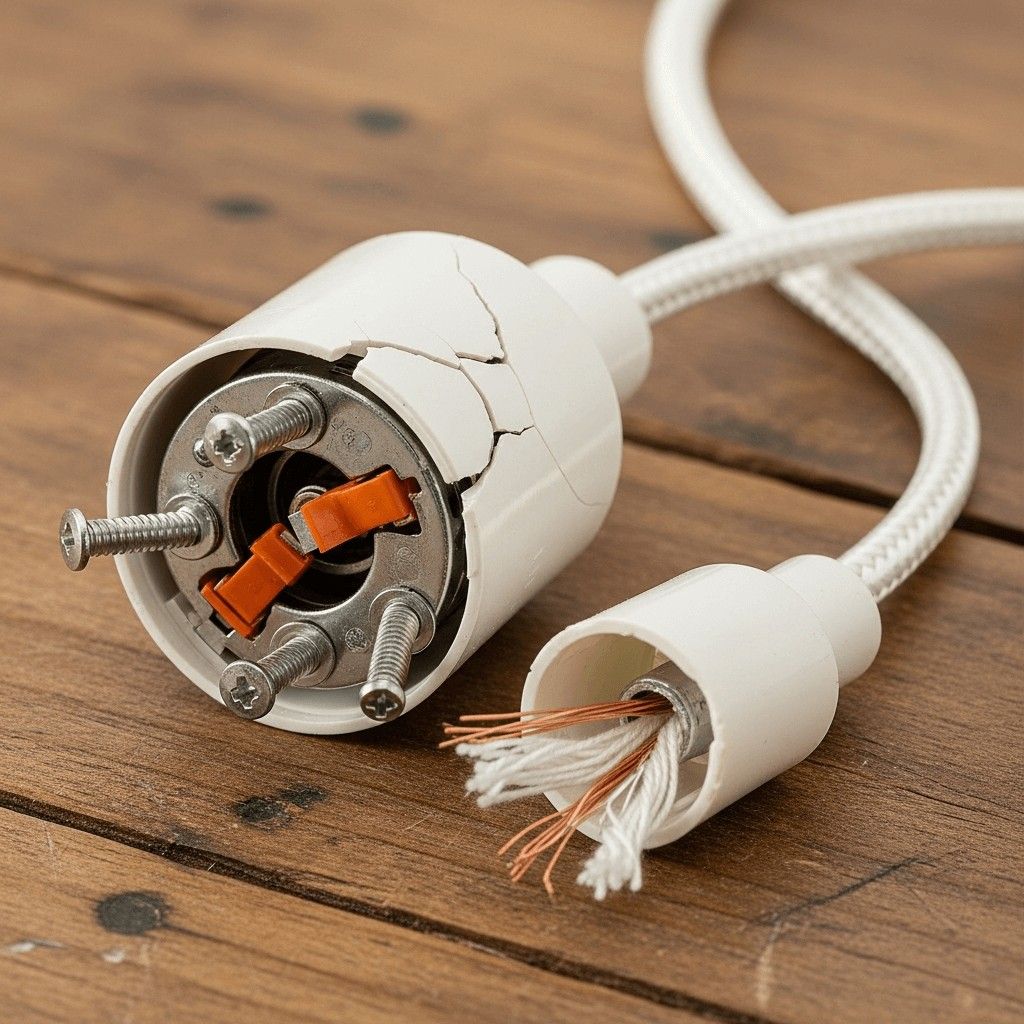
To fix fluorescent lights, begin by identifying common issues like faulty tubes or starters and replacing them as needed. This simple troubleshooting can often restore function without professional help. Understanding these steps is invaluable for maintaining vibrant lighting in your home.
- Introduction
- Practical Guide to Fluorescent Light Repair
- Why Choose BT Electrical Solutions for Reliable Light Repairs
- Frequently Asked Questions
- Why is my fluorescent light flickering?
- How often should I change fluorescent light bulbs?
- Can I fix a buzzing fluorescent light?
- What should I do if a fluorescent light doesn’t turn on?
- Are fluorescent lights energy efficient?
- Do fluorescent lights work well in cold weather?
- What is the safe way to dispose of fluorescent tubes?
- How can I prevent issues with fluorescent lighting?
Fluorescent lights are a staple in many residential properties, known for their energy efficiency and cost-effectiveness. However, when they fail, understanding how to fix fluorescent lights becomes essential — much like knowing how to handle a faulty pull cord switch in the bathroom. This guide will walk you through the process, offering practical advice and solutions to common problems associated with fluorescent lighting systems.
Understanding Fluorescent Lights
Understanding the basic components of a fluorescent light is crucial before attempting any repairs. Typically, these lights consist of tubes filled with gas, starters, and ballasts. Issues often arise when one of these components fails, leading to flickering or complete failure of the light. Knowing the signs of each component’s failure can aid in swift troubleshooting.
Common Issues with Fluorescent Lights
The most frequent problems with fluorescent lights include flickering tubes, delayed ignition, or no light output at all. These issues can often be traced back to worn-out tubes or faulty starters. Replacing these components is a straightforward task that can rejuvenate your lighting. For residents in Christchurch, New Zealand, services like those offered by BT Electrical Solutions can provide professional assistance if DIY efforts fall short.
In addition to faulty components, environmental factors such as temperature and voltage fluctuations can affect the performance of your fluorescent lights. Ensuring your electrical systems are stable and well-maintained can prevent future problems.
By the end of this introduction, you should have a better understanding of the essentials of fluorescent lighting systems and the common issues they face. In the following sections, we will delve deeper into specific solutions and techniques for effectively maintaining your home lighting.


Practical Guide to Fluorescent Light Repair
In understanding the intricacies of fixing fluorescent lights, it is crucial to approach the task step-by-step. This guide offers practical solutions that any homeowner can follow, equipping you with the knowledge to tackle common fluorescent light issues effectively.
Initial Assessment Procedures
Before attempting any repair, begin with a thorough assessment of the light fixture. Start by turning off the power supply to avoid any electrical hazards. Next, check whether the bulbs are seated correctly in their fittings, as loose bulbs can often cause flickering or failures. Inspect the lamps for any physical signs of damage such as discolouration or cracks in the glass, which can indicate that the bulb needs replacement (see our guide on removing a broken light bulb safely if the glass has shattered).
Diagnosing Power and Component Faults
If your initial inspection does not reveal obvious issues, it’s time to delve deeper. Begin by examining the starter and ballast, as these components are common failure points. Remove the starter and shake it gently; if it rattles, it may need replacement. Similarly, test the ballast by using a multimeter to check for output voltage; any irregularities here could cause the light to malfunction.
Step-by-Step Repair Process
Once faulty components are identified, proceed with the repair. Replace any defective starters with new ones, ensuring compatibility with your specific fixture type. For ballast issues, sourcing the correct replacement is vital. After swapping out components, reassemble the light fitting carefully, ensuring all connections are secure. Finally, restore the power and test the light to confirm the repair was successful. The DIY approach not only saves costs on professional services but also empowers you with self-sufficiency in maintaining household lighting.
Why Choose BT Electrical Solutions for Reliable Light Repairs
When it comes to how to fix fluorescent lights, understanding that each repair scenario is unique and requires a specific approach is essential for success. That’s where BT Electrical Solutions comes into play, providing expert electrical repair services right here in Christchurch, New Zealand. Our team of skilled professionals possess not only the technical expertise but also the hands-on experience needed to tackle any fluorescent light issue efficiently and reliably.
Experienced Local Experts
The value of local expertise cannot be overemphasized when dealing with electrical issues. At BT Electrical Solutions, our technicians are well-versed in the unique challenges posed by Christchurch’s residential electrical infrastructure. We are proud to be a pillar in our local community, ensuring that every service we provide is tailored to meet the specific needs of the residents. Our commitment to ongoing training and development means our experts stay up-to-date with industry standards and innovations, ensuring that you receive the best service possible.
What Sets Us Apart
What truly differentiates BT Electrical Solutions from other electricians is our unwavering dedication to client satisfaction. We offer not just quick fixes but comprehensive solutions. Our professionalism is evident in every job, regardless of its size or complexity. With our transparent pricing structure and ethical practices, you can trust that we will always put your needs first. Furthermore, being a reliable electrician in Christchurch means we are always accessible to our clients, providing timely and efficient responses to queries and emergencies.
Whether you’re dealing with a flickering tube or a complete fixture failure, BT Electrical Solutions has the experience and capability to solve your lighting problems with precision, from simple repairs to full LED lighting upgrades. We invite you to experience our exceptional service — don’t just take our word for it; the vast number of positive client testimonials speak volumes about our reliability and skill.
Looking to learn more about complementary services? Our next section, “Frequently Asked Questions”, will provide clear answers to common queries regarding fluorescent light repairs, offering further insights and helpful advice.
Frequently Asked Questions
Why is my fluorescent light flickering?
Fluorescent lights can flicker due to a variety of reasons including a faulty starter, a defective ballast, or simply because the bulb is nearing the end of its lifespan. Replacing the starter or the bulb can often resolve the issue.
How often should I change fluorescent light bulbs?
Typically, fluorescent bulbs can last anywhere from 7,000 to 15,000 hours. It is advisable to replace them as soon as you notice them dimming or flickering frequently.
Can I fix a buzzing fluorescent light?
Yes, a buzzing fluorescent light is often caused by an aging ballast. Replacing the ballast with a new one should eliminate the noise.
What should I do if a fluorescent light doesn’t turn on?
If a fluorescent light won’t turn on, check to see if the starter needs replacement. If the bulb or starter isn’t the problem, you might need to consider checking the power supply or the ballast.
Are fluorescent lights energy efficient?
Fluorescent lights are known for their energy efficiency, using about a quarter of the energy that incandescent bulbs use. This makes them a cost-effective lighting solution for many homes and businesses.
Do fluorescent lights work well in cold weather?
Standard fluorescent lights may have difficulty starting in cold temperatures. However, there are cold-weather fluorescent lights available that are designed to work efficiently at lower temperatures.
What is the safe way to dispose of fluorescent tubes?
Fluorescent tubes contain hazardous materials including mercury and should be disposed of at authorised recycling or waste disposal facilities to ensure proper handling and safety.
How can I prevent issues with fluorescent lighting?
Regular maintenance can help prevent issues with fluorescent lighting. This includes cleaning fixtures, ensuring proper electrical connections, and replacing components like bulbs and starters as needed.