
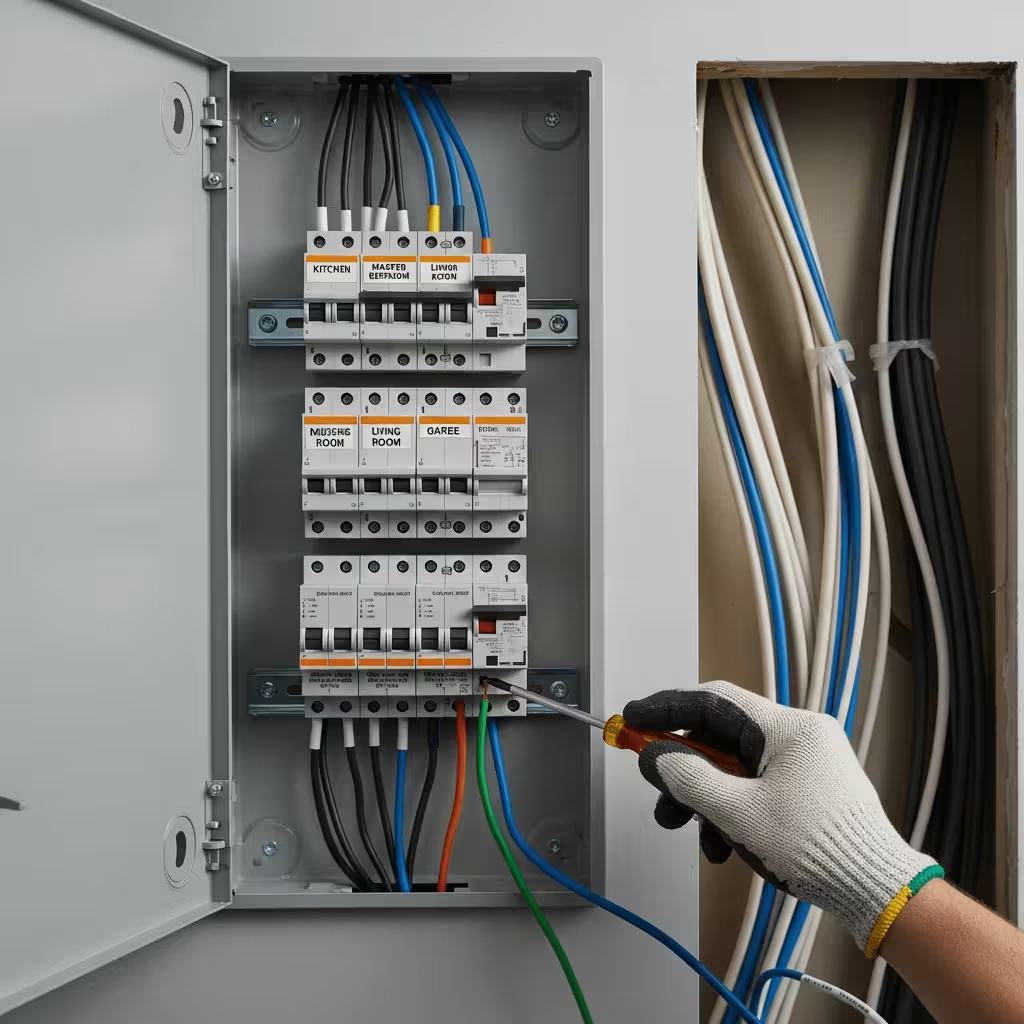
Home rewiring electrical regulations in New Zealand require that all prescribed work, including full or partial rewiring, be completed by EWRB-registered electricians with mandatory certification issued within 5 working days to ensure compliance and prevent hefty fines or insurance voids.
- Introduction
- Section 2: Comprehensive Steps in Home Rewiring
- Benefits of Professional Home Rewiring Services
- Why Choose BT Electrical Solutions for Home Rewiring and Electrical Regulations Compliance
- Frequently Asked Questions
- What is home rewiring?
- Who can legally perform home rewiring in New Zealand?
- What risks are associated with non-compliance to NZ electrical regulations?
- Why is RCD protection necessary in rewired homes?
- How often should electrical safety checks occur in rental properties?
- Are there specific considerations for home rewiring in Christchurch?
- What changes are brought by the updated standards SR 2025/225?
- What kind of certification is needed after a rewiring job?
The intricacies of home rewiring in New Zealand are governed by stringent electrical regulations that aim to ensure safety and quality across all residential properties. In this evolving landscape, understanding the compliance framework is crucial for homeowners and property managers alike. With recent updates to New Zealand’s home rewiring requirements, BT Electrical Solutions in Christchurch stands ready to guide you through every step of the process, ensuring smooth and compliant projects.
Navigating NZ Electrical Requirements
Recent changes in New Zealand’s electrical legislation mandate that all electrical work, including comprehensive rewiring, must be executed by electricians registered with the Electrical Workers Registration Board (EWRB). This regulation is crucial for the safety and reliability of electrical systems, with a Certificate of Compliance now required within five working days of project completion. This certificate not only signifies regulatory adherence but also protects homeowners from potential fines that can exceed $10,000, as well as avoid voiding insurance coverage.
The Importance of Professional Guidance
Engaging a certified professional for home rewiring is more than a legal obligation; it ensures that all work meets the latest standards for safety and technology. As the industry adapts to the November 2025 regulation update, allowing reference to the latest safety standards, a 12-month transition period highlights the necessity for informed expert involvement. Professional guidance is key to navigating these changes efficiently.
Understanding Legal and Safety Obligations
New Zealand’s regulations strictly prohibit DIY rewiring, underscoring that only minor electrical works, such as changing a light bulb, are permitted for non-professionals. This highlights the country’s commitment to electrical safety, as evidenced by the mandate for Residual Current Device (RCD) protection on all power circuits, which is now compulsory in renovated properties. Additionally, landlords must conduct four-yearly electrical safety checks and ensure complete RCD protection in rental homes from July 2024 onwards, reinforcing these safety standards.
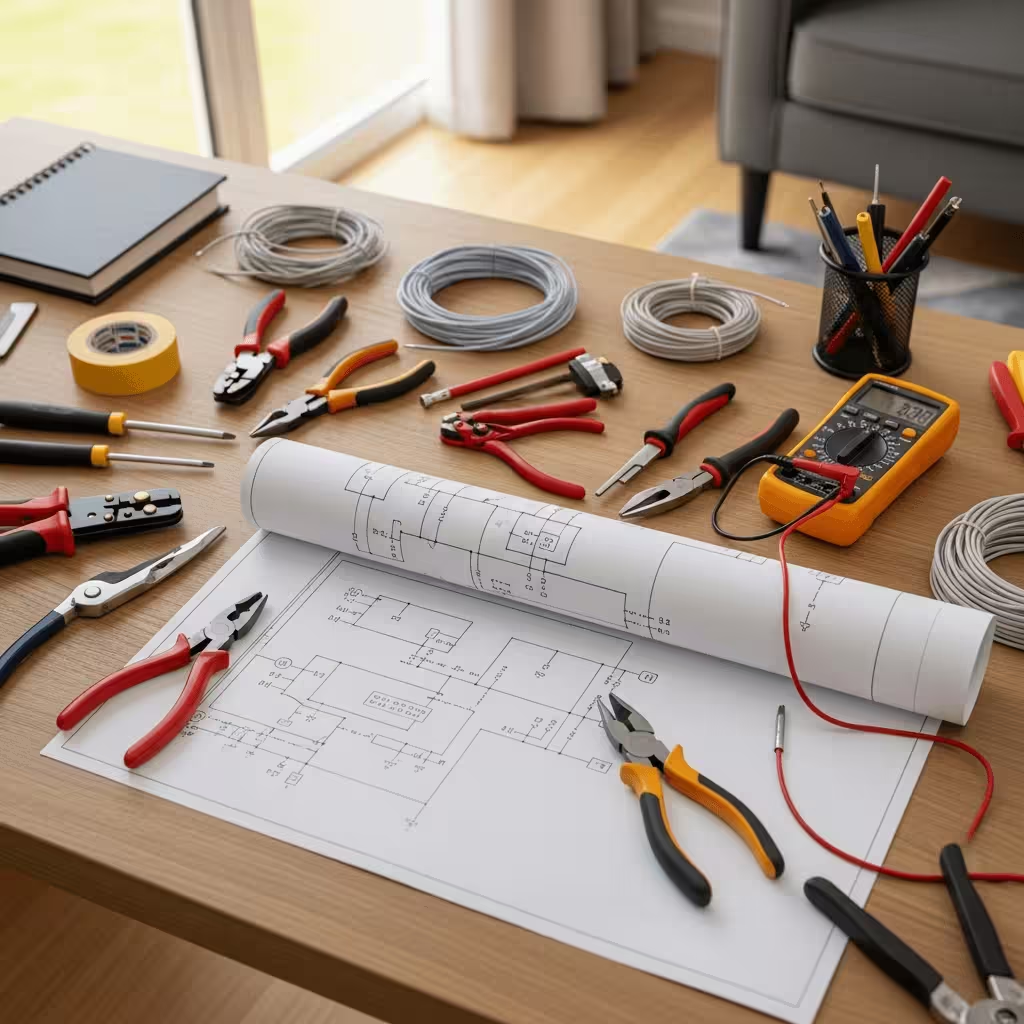
Section 2: Comprehensive Steps in Home Rewiring
Home rewiring in New Zealand is not merely a task reserved for the adept electrician; it’s a meticulously regulated process that ensures safety and compliance with NZ electrical regulations. Understanding the comprehensive steps involved provides clarity and confidence, both for homeowners and professionals. From initial assessments to final checks, each stage plays a crucial role in ensuring the longevity and safety of a home’s electrical infrastructure.
1. Initial Assessment and Planning
The first step in the home rewiring process involves a thorough initial assessment. This stage is essential because it identifies the current state of the home’s wiring and highlights any immediate safety hazards. Engaging a qualified electrician from BT Electrical Solutions can ensure this assessment adheres to the standard practices outlined by New Zealand’s electrical safety regulations. The electrician will inspect the existing wiring system, assess the load demands, and plan the new wiring layout. Planning involves considering the needs of modern electrical appliances, energy efficiency goals, and future-proofing against emerging technologies. A detailed plan not only prepares the groundwork for the physical rewiring but also helps in ensuring budgetary compliance before moving onto the execution stage.
2. Execution of the Rewiring Process
The execution phase is where the physical work begins. This stage requires skilled technicians to carefully install new wiring systems that comply with NZ standards, ensuring each connection is secure and correctly insulated. Lack of compliance may result in electrical failures or safety hazards. During this phase, electricians will closely follow the guidelines set out by the Electrical Workers Registration Board, utilising their in-depth understanding of electrical codes. This is especially notable in older homes in Christchurch where historical wiring can present unique challenges. High-quality materials and precise execution mitigate future risks and ensure the system’s durability, enhancing both safety and performance.
3. Final Inspection and Testing
Once the rewiring is complete, it is imperative to conduct a final inspection and testing. This process verifies that every component of the new electrical system meets strict standards of NZ electrical regulations. It involves comprehensive tests to ensure functionality, safety, and energy efficiency. A certified inspector will evaluate the system, testing circuit integrity and ensuring no potential risks remain. This step not only validates the quality and compliance of the work done by BT Electrical Solutions but also provides homeowners with peace of mind knowing their home meets all safety standards and is ready for everyday use. Such diligence not only maintains regulatory compliance but also underpins the reputation of professional electricians in Christchurch.
4. Documentation and Warranties
The concluding part of the home rewiring process involves thorough documentation. Every aspect of the new wiring installation should be recorded, including materials used, test results, and compliance reports. This documentation serves as a valuable resource for future reference, assisting in maintenance and potential upgrades. Furthermore, providing robust warranties underscores BT Electrical Solutions’ commitment to customer satisfaction. A clear warranty policy not only offers coverage against defects but also strengthens trust between the service provider and homeowners. This provision is particularly significant for homes in Christchurch where historical architecture requires special attention and assurance.
With these meticulously defined steps, home rewiring under the compliance of New Zealand regulations ensures safety, efficiency, and enhanced value for your property. Following these procedures isn’t just about adherence to law but ensuring a harmonious blend of functionality and security in your home’s electrical system.
Benefits of Professional Home Rewiring Services
Engaging professional services for home rewiring, especially in compliance with New Zealand’s electrical regulations, offers numerous benefits that go beyond mere service completion. The primary advantage is ensuring that all work adheres to legal standards, which not only guarantees safety but also aligns with regulatory compliance. This section underscores why hiring experts is crucial in maintaining the integrity and safety of your home’s electrical system.
Safety and Compliance
Safety is paramount when it comes to electrical work. Professional electricians, such as those at BT Electrical Solutions in Christchurch, possess the expertise to mitigate risks associated with faulty or outdated wiring. By adhering to New Zealand’s stringent electrical regulations, they ensure that installations are safe and reliable. This compliance not only protects homeowners but also enhances the longevity and efficiency of the electrical systems.
Expertise and Efficiency
Experienced electricians bring a depth of knowledge and precision to the rewiring process. They can diagnose and resolve potential issues that might not be apparent to a layperson. Their efficiency in handling complex electrical systems reduces downtime and disruption during the rewiring project, allowing homeowners to resume their daily activities with minimal inconvenience. This expertise is backed by certifications and continuous training, keeping them updated with the latest technologies and practices.
Enhanced Property Value
Quality rewiring not only improves the safety and functionality of a home but can also significantly enhance its market value. Potential buyers often appreciate knowing that the property meets all electrical safety standards, which can be a compelling selling point. Furthermore, updated wiring can support modern appliances and smart home technologies, making the property more attractive to tech-savvy buyers. Thus, professional rewiring services can be viewed as a long-term investment in your property’s future.
Why Choose BT Electrical Solutions for Home Rewiring and Electrical Regulations Compliance
When it comes to ensuring your home complies with New Zealand’s strict electrical regulations, there’s no better partner than BT Electrical Solutions. Based in Christchurch, we are not just electricians—we are experts committed to providing reliable, compliant, and safe home rewiring services. Our deep-rooted local expertise allows us to understand and navigate the unique challenges of New Zealand’s electrical standards effectively.
Experienced Local Experts
At BT Electrical Solutions, we pride ourselves on our seasoned team of skilled electricians who are well-versed in New Zealand’s electrical codes and standards. This expertise guarantees that your home rewiring project not only meets but exceeds the mandatory regulations, safeguarding the future safety and functionality of your home. By choosing us, you’re choosing a service backed by extensive local knowledge and industry proficiency.
What Sets Us Apart
Our dedication to quality and compliance isn’t just a business promise—it’s a personal one. We begin every project with a comprehensive consultation, tailoring our approach to suit the specific needs of each client and property. This personalized service ensures clarity and satisfaction with every project phase. Furthermore, our investment in continuous training ensures our team is always up-to-date with the latest in electrical innovation. This commitment to excellence distinguishes us as a top choice for anyone needing trustworthy home rewiring services.
Moreover, our reputation is built upon a foundation of client satisfaction and rave reviews, reflecting the dependable and professional service we consistently deliver. For those in Christchurch looking for an expert electrician in New Zealand to handle their home rewiring, BT Electrical Solutions is your ideal choice. Our clients return to us time and time again because of our trustworthy and thorough approach, ensuring complete compliance with NZ regulations.
In our next section, we will address common queries concerning home rewiring and ensure you have all the information needed for making informed decisions. Stay tuned for Section 5: Frequently Asked Questions, where we’ll clarify these queries in detail.
Frequently Asked Questions
What is home rewiring?
Home rewiring involves replacing outdated or damaged electrical wiring within a home to ensure it meets modern safety standards and compliance regulations. This process can improve electrical safety and efficiency.
Who can legally perform home rewiring in New Zealand?
In New Zealand, only Electricians registered with the Electrical Workers Registration Board (EWRB) are legally allowed to perform home rewiring. DIY rewiring is illegal, and unregistered activity can lead to fines.
What risks are associated with non-compliance to NZ electrical regulations?
Non-compliance with New Zealand’s home rewiring electrical regulations can result in substantial fines exceeding $10,000 and potentially void any insurance claims related to electrical faults.
Why is RCD protection necessary in rewired homes?
Residual Current Devices (RCDs) are essential in rewired homes as they provide additional protection against electrical shocks and reduce the risk of fire, ensuring occupant safety.
How often should electrical safety checks occur in rental properties?
Landlords are required to ensure that electrical safety checks are conducted every four years in rental properties, alongside ensuring full RCD coverage since July 2024.
Are there specific considerations for home rewiring in Christchurch?
Yes, home rewiring in Christchurch, as throughout New Zealand, must adhere to strict compliance and certification regulations. Professional assessment prior to commencing work is crucial to meet local standards.
What changes are brought by the updated standards SR 2025/225?
The updated standards SR 2025/225 require electricians to adhere to the latest national safety and technology requirements. These standards will become mandatory as of November 2025 after a 12-month transition period.
What kind of certification is needed after a rewiring job?
After completing a rewiring project, a Certificate of Compliance must be issued within five working days by a registered electrician, confirming that the work meets all relevant standards and regulations.
Key Insights
All prescribed home rewiring in Christchurch must now strictly adhere to the latest New Zealand electrical regulations, requiring completion and certification by a registered electrician. Significant changes introduced in November 2025 allow immediate use of the most recent standards, streamlining compliance and ensuring homes are updated with the safest, most current practices—especially important in renovations or rewiring projects. Landlords face mandatory four-yearly electrical checks and RCD protection, while any non-compliant work can incur substantial fines and void insurance.
These 2025 regulatory updates resolve longstanding confusion by enabling immediate reference to new standard editions, helping electricians and inspectors deliver safer outcomes without regulatory lag. A 12-month transition period lets professionals choose between the old and new editions until November 2026, after which only the new standards apply. Always confirm the correct, current edition in Schedule 2 of the amended safety regulations before undertaking home rewiring electrical work[1][2].
References
[2]: https://www.masterelectricians.org.nz/new-electrical-standards-coming-into-effect-13-november/


