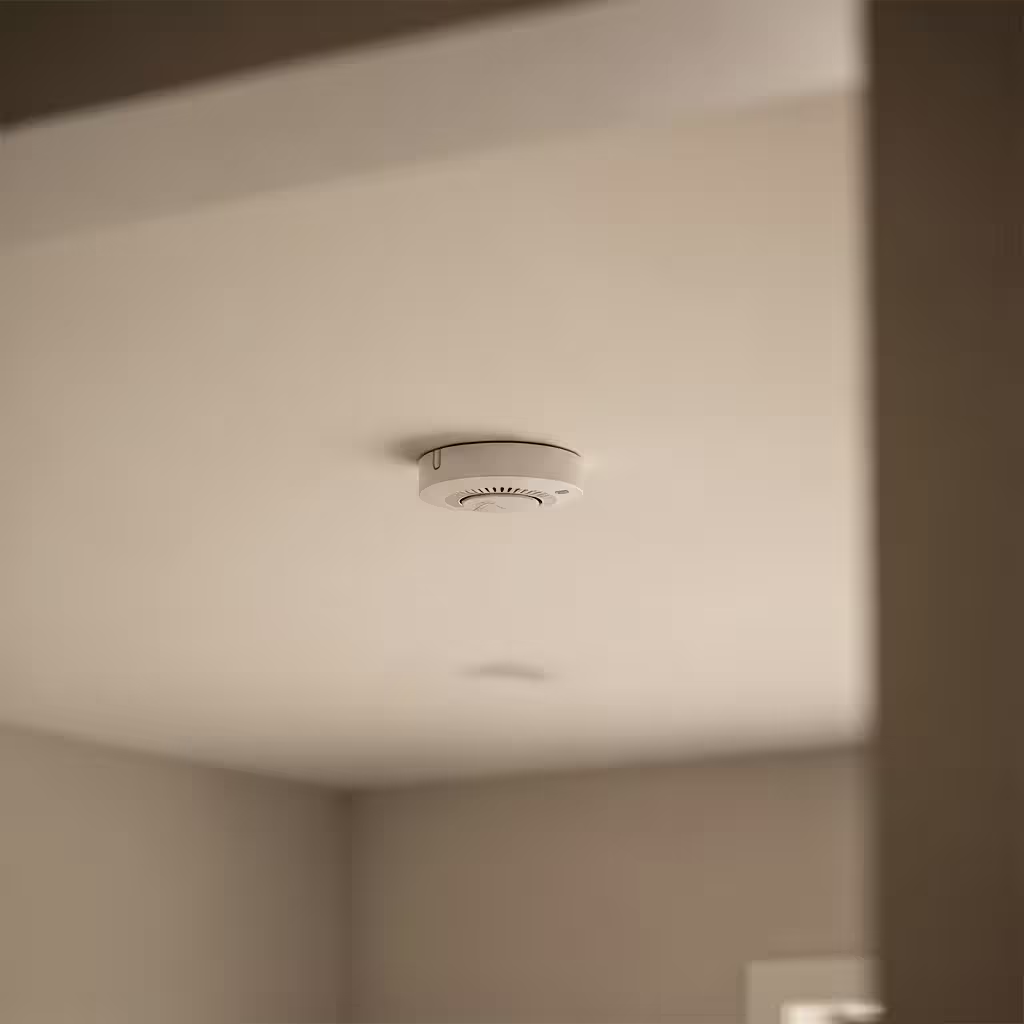
A smoke alarm may keep going off due to steam, dust, cooking fumes, insects, or a low or faulty battery. Regular cleaning, timely battery replacement, and proper placement away from kitchens and bathrooms can reduce false alarms while maintaining fire safety.
- Introduction
- Understanding Smoke Alarm Technology
- Practical Solutions to Smoke Alarm Issues
- Why Choose BT Electrical Solutions for Expert Smoke Alarm Services
- Frequently Asked Questions
- Why does my smoke alarm keep going off even with no smoke?
- What should I do if my smoke alarm won’t stop beeping?
- How often should smoke alarm batteries be changed?
- Can cooking fumes cause my smoke alarm to go off?
- Do steam or humidity affect smoke alarms?
- How can insects affect my smoke alarm?
- When should a smoke alarm be replaced?
- Are photoelectric smoke alarms better for Christchurch homes?
In the bustling homes of Christchurch, there’s a common household frustration that often leaves residents puzzled: why does a smoke alarm keep going off without a visible fire threat? This pervasive issue not only disrupts peace but can compromise the perceived reliability of smoke alarms, essential tools for fire safety. Understanding the primary reasons behind these frequent alarms is crucial to maintaining a safe and peaceful environment.
Common Causes
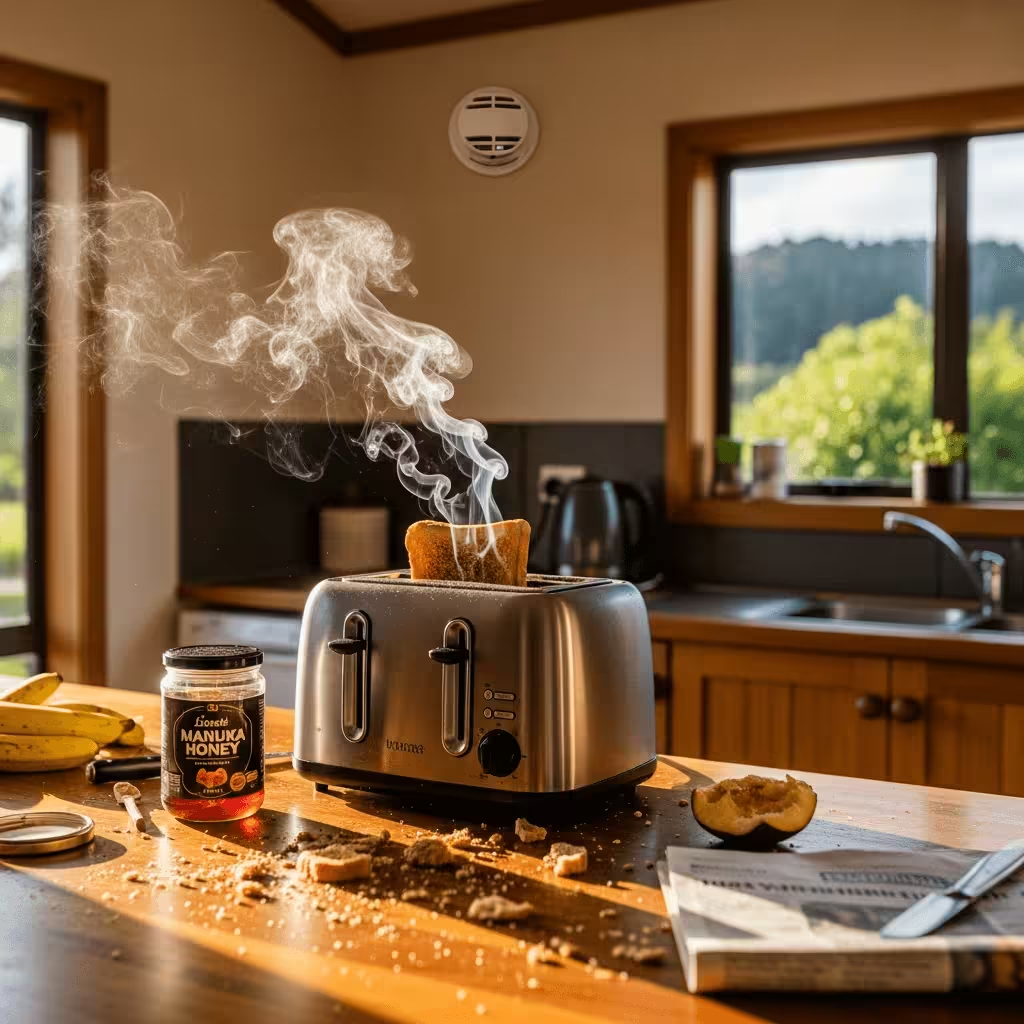
Smoke alarms are designed to be sensitive to ensure early warning in case of fire. However, they can also detect other particles, leading to frequent false alarms. In Christchurch, everyday occurrences such as steam from showers, high humidity levels, or cooking fumes can trigger these alarms. Kitchens and bathrooms should be ventilated adequately to prevent these activations.
Environmental Factors
Beyond household activities, environmental conditions play a significant role. The region’s humid climate can exacerbate false alarms, particularly when alarms are placed inappropriately close to kitchens or bathrooms. Dust accumulation or insects within the alarm’s sensor chamber is another common trigger. Regular cleaning and maintenance of alarms can mitigate these issues significantly.
Technical Considerations
Technical factors such as low or faulty batteries, and alarms reaching the end of their functional lifespan, usually around ten years, contribute to frequent false alarms. In Christchurch, BT Electrical Solutions recommends using photoelectric alarms equipped with long-life batteries for reliable operation. Coupled with regular testing and cleaning, these alarms offer a balance between sensitivity and practicality, reducing nuisance activations.
Local Guidance
Adhering to New Zealand’s safety guidelines can effectively address this issue. Local recommendations advocate for photoelectric smoke alarms paired with systematic maintenance routines. BT Electrical Solutions, serving the Christchurch area, underscores the importance of awareness and action to keep households secure and undisturbed by false alarms.
Understanding Smoke Alarm Technology
In addressing the frustration of a smoke alarm that keeps going off, understanding the technological underpinnings of smoke detectors is crucial. Different sensor types form the backbone of modern smoke alarms, each designed with specific mechanisms to detect smoke particles. Two predominant types, ionization and photoelectric sensors, play a pivotal role in their operation, ensuring household safety when optimally deployed.
Ionization vs Photoelectric Sensors
Ionization smoke alarms are known for their effectiveness in detecting fast-flaming fires. They function through a small amount of radioactive material placed between two electrically charged plates, which ionizes the air and creates a current. When smoke enters the chamber, it disrupts this current, triggering the alarm. In contrast, photoelectric alarms excel in identifying smoldering, slow-burning fires. These devices use a light source aimed away from a sensor. When smoke enters the chamber, it scatters the light, directing it towards the sensor and setting off the alarm. Each type’s unique characteristics make them particularly suited to different kinds of fires, which is why a dual-sensor approach or combining both types in a home is often recommended.
The Role of Smart Technology in Alarms
Emerging smart technologies are revolutionising smoke alarm capabilities. Smart smoke alarms can be linked to home networks, providing real-time notifications through mobile applications. This innovation allows homeowners to receive alerts and manage false alarms even when they are not present in the vicinity. Additionally, smart alarms can integrate with other smart home devices, like lighting and security systems, enhancing overall safety. These devices often incorporate both ionization and photoelectric sensors to provide comprehensive coverage and minimise false alarms commonly caused by cooking fumes or steam.
The Importance of Regular Maintenance
To mitigate issues with smoke alarms frequently going off without cause, regular maintenance and proper installation of the devices cannot be overstated. Ensuring alarms are kept clean and free from obstructions is essential for optimal performance. Homes in Christchurch, where humidity and environmental particulates can influence alarm sensitivity, particularly benefit from routine checks and cleanings. Service specialists, such as BT Electrical Solutions, can provide professional assessments and recommendations based on your specific setup, thus preventing nuisance alarms.
Practical Solutions to Smoke Alarm Issues
Addressing persistent smoke alarm activations involves both preventative measures and troubleshooting techniques tailored to the system’s specific setup and environmental conditions. In Christchurch, local factors such as humidity and regional building standards influence the sensitivity and placement of alarms, necessitating a customised approach to each household’s safety needs.
Preventative Measures
Proactive steps can drastically reduce false smoke alarm activations. Regular cleaning is essential, as dust accumulation on sensors is a common trigger for false alarms. Use a vacuum cleaner with a soft brush head to gently remove dust and debris from the openings of the alarm. It’s also important to check batteries every six months to ensure they’re functioning properly; a weak battery can cause the alarm to chirp and false trigger. In some cases, relocating smoke alarms away from kitchens or bathrooms can reduce false alarms caused by steam or cooking smoke.
Customised Placement and Sensitivity
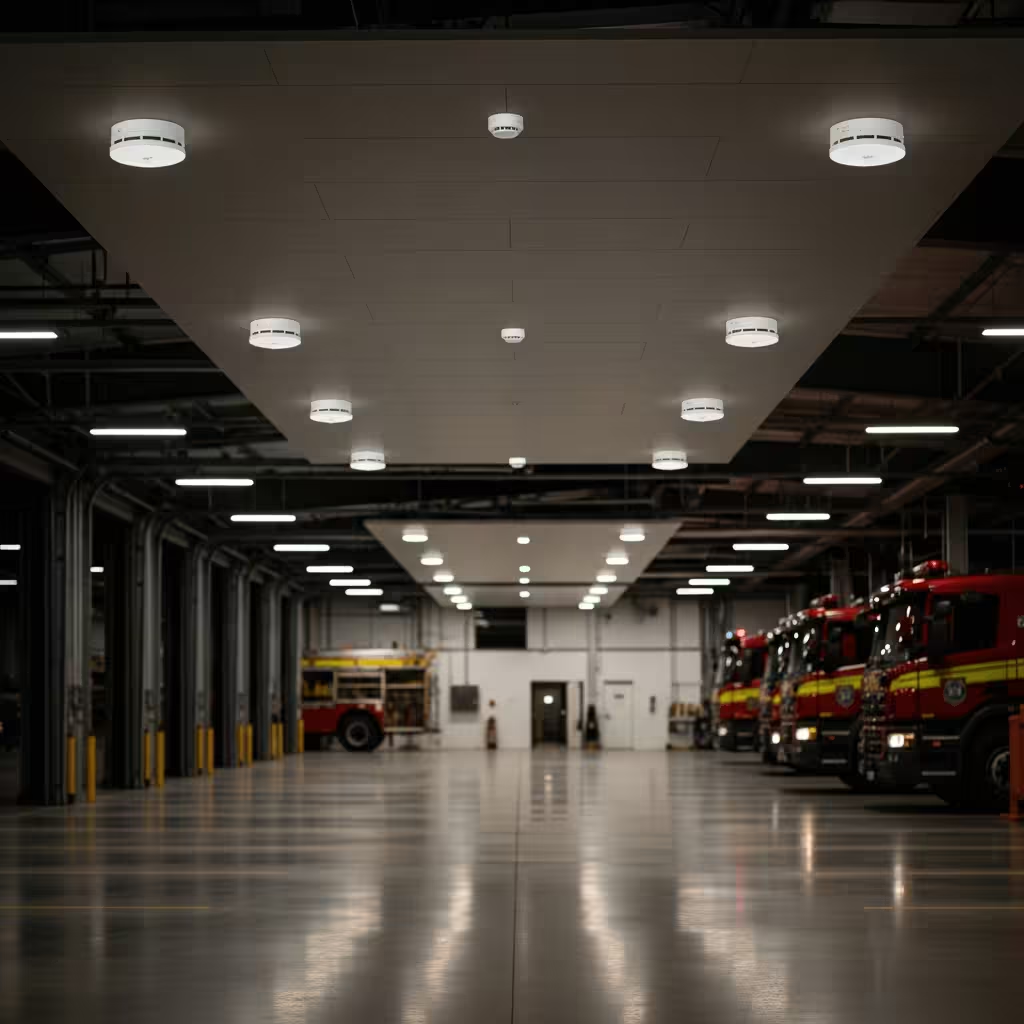
Re-evaluating smoke alarm placement within your home can be pivotal in addressing recurring false alarms. Ensure that detectors are installed at the correct distance from cooking appliances and humid areas, in accordance with the manufacturer’s instructions and local building codes. Additionally, some advanced models allow for sensitivity adjustments, enabling users to fine-tune the detector’s response to smoke. This is particularly useful in homes where non-traditional layouts or activities might contribute to frequent false alarms. Consulting a professional like BT Electrical Solutions can ensure optimal placement and configuration, given their expertise in Christchurch’s specific requirements.
Troubleshooting Technical Issues
Technical faults could cause smoke alarm malfunctions. Common issues include outdated firmware, which might lead devices to misinterpret signals from their sensors. Regular software updates are recommended through the manufacturer’s platform to maintain device accuracy. For wired systems, ensuring that the power supply remains consistent is critical, as fluctuations can trigger alarms erroneously. For persistent problems, a professional diagnosis from BT Electrical Solutions can identify and rectify underlying issues, leveraging local expertise to meet New Zealand’s safety regulations.
Tackling these challenges with a comprehensive approach not only prevents unnecessary disturbances but also reinforces safety. Transitioning to the next section, we’ll explore why BT Electrical Solutions is well-positioned to support your smoke alarm needs in Christchurch, with a focus on reliability and customer satisfaction.
Why Choose BT Electrical Solutions for Expert Smoke Alarm Services
In Christchurch, New Zealand, dealing with faulty or overly sensitive smoke alarms can be frustrating, but choosing the smoke alarm installation service such as BT Electrical Solutions can make a significant difference. They stands out as the premier choice in addressing these issues with precision, professionalism, and a deep understanding of local needs. Whether it is persistent false alarms or general maintenance, we excel in delivering customised solutions that keep your home safe.
Experienced Local Experts
Operating right in the heart of Christchurch, BT Electrical Solutions represents the epitome of local expertise. Our team brings a wealth of experience to every job, ensuring that smoke alarm problems are diagnosed accurately and resolved quickly. By maintaining strong ties with the community, we are familiar with local safety codes and regulations, providing peace of mind in knowing that your system complies with necessary standards.
Our trained technicians use the latest diagnostic tools and techniques to provide a service that is both thorough and efficient. It’s this commitment to excellence and our local presence that make us the ‘go-to’ choice for many homes in Christchurch seeking reliable and effective solutions for their smoke alarm woes.
Frequently Asked Questions
Why does my smoke alarm keep going off even with no smoke?
Smoke alarms may activate without smoke due to factors like steam, high humidity, or dust entering the sensor. Ensuring regular maintenance and cleaning can help prevent these false alarms.
What should I do if my smoke alarm won’t stop beeping?
Firstly, check the battery to see if it needs replacing. Additionally, verify if the alarm unit is securely mounted, as loose fittings can cause malfunctions. If issues persist, consider consulting a professional electrician in Christchurch.
How often should smoke alarm batteries be changed?
For standard smoke alarms, it’s advisable to replace the batteries annually. However, models with long-life batteries can last up to 10 years without needing replacement, though regular testing is essential.
Can cooking fumes cause my smoke alarm to go off?
Yes, cooking fumes are a common cause of false alarms. Positioning smoke alarms away from the kitchen and using exhaust fans can help minimise this issue.
Do steam or humidity affect smoke alarms?
Yes, steam and high humidity can trigger false alarms. Placing alarms away from bathrooms and ensuring good ventilation can reduce these occurrences.
How can insects affect my smoke alarm?
Insects can crawl into the alarm unit and disrupt the sensor. Regular cleaning and scheduled checks can prevent insects from affecting the detector’s performance.
When should a smoke alarm be replaced?
Smoke alarms should be replaced every 10 years as sensors and other components can degrade over time, reducing effectiveness. When it’s time for a replacement, our guide to the best smoke alarms in NZ can help you choose a reliable model.
Are photoelectric smoke alarms better for Christchurch homes?
Photoelectric smoke alarms are recommended for Christchurch homes due to their effectiveness at detecting slow smouldering fires and reduced likelihood of false alarms from everyday activities.
Key Insights
A smoke alarm that keeps going off in Christchurch homes is most often linked to nuisance triggers such as dust and insects inside the sensor, steam and humidity from showers or cooking, or temperature changes, along with low batteries, aging units (over 10 years), or wiring/power issues in hard‑wired systems.[1][2] Recent advice stresses regular vacuuming or compressed‑air cleaning, relocating alarms away from kitchens and bathrooms, annual battery changes, and checking manufacture dates, with persistent false alarms treated as a sign to replace the unit or call an electrician or fire‑safety professional.[1][2]
In Christchurch’s damp, coastal climate and housing stock that often combines heat pumps, extractor fans, and mixed old/new wiring, these issues are amplified: humidity and condensation increase steam‑related activations, while older rentals and quake‑repaired properties are more prone to dust ingress and electrical faults, so authorities recommend choosing photoelectric alarms, placing them at least 3 metres from cooking appliances, testing monthly, and immediately investigating any alarm that will not reset after cleaning and battery replacement.[1][2]
References
[2]: https://www.belfor.com/us/en/resources/fire-alarm-beeps-randomly-at-night/