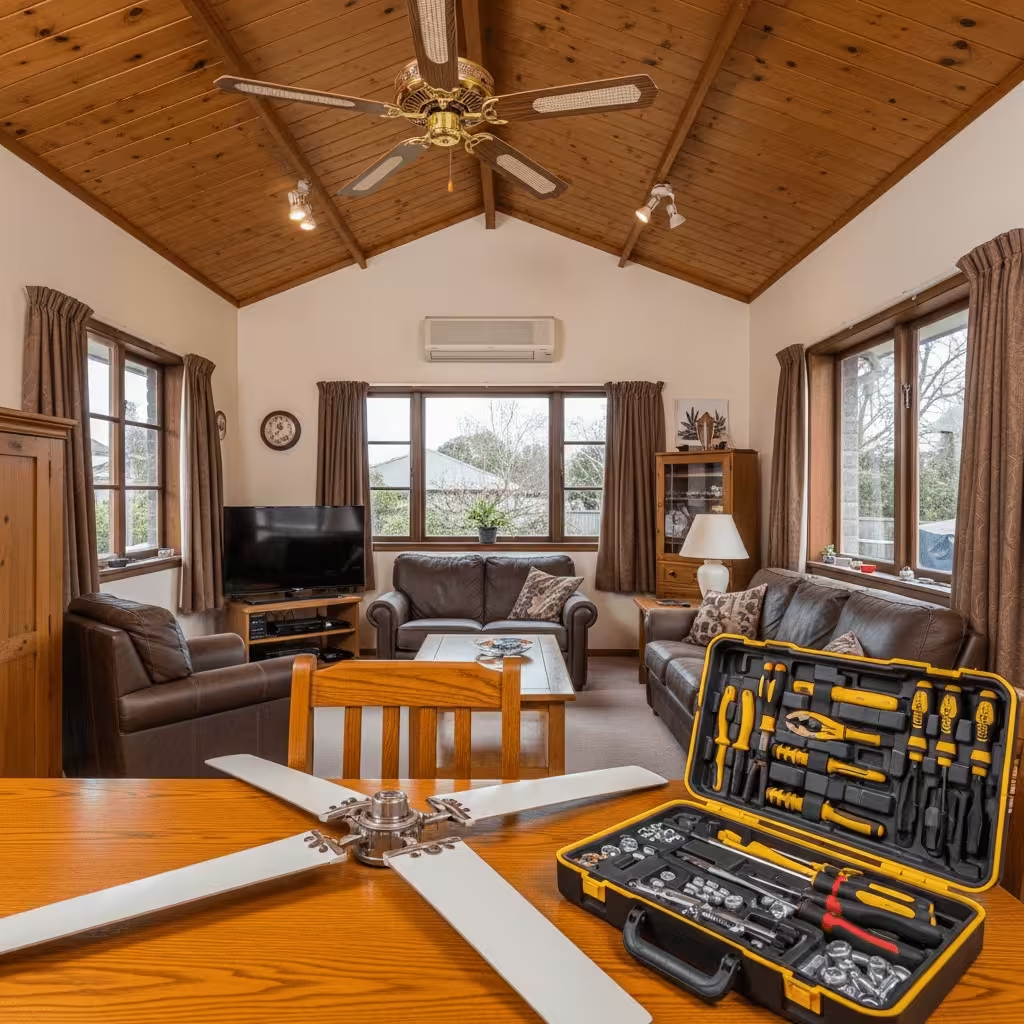
The Ultimate NZ Ceiling Fan Buying Guide from BT Electrical Solutions provides comprehensive insights into selecting the best ceiling fans in Christchurch, tailored to the unique needs of local households and professionals.
- How do I choose the right ceiling fan size for my room?
- Can ceiling fans be installed on angled ceilings?
- Are ceiling fans energy efficient?
- How often should ceiling fan maintenance be performed?
- What is the ideal height for ceiling fan installation?
- Can a ceiling fan be used outdoors?
- Is it possible to reverse the direction of a ceiling fan?
- How do I know if a ceiling fan is suitable for tall ceilings?
Choosing the perfect ceiling fan for your home or business can be a daunting task, given the array of options available on the market. In The Ultimate NZ Ceiling Fan Buying Guide, we aim to simplify this process by providing expert advice that considers both aesthetic preferences and technical requirements. Whether you are a homeowner looking to enhance your living space or an electrician in Christchurch seeking the right fit for a client’s specifications, understanding the key factors in ceiling fan selection is crucial.
Understanding Your Needs
Before making a purchase, it’s important to evaluate the specific requirements of the space where the ceiling fan will be installed. Factors such as room size, ceiling height, and the intended use (e.g., residential or commercial) play a significant role in determining the ideal fan type. For instance, large spaces may necessitate fans with longer blades or higher airflow capacity, while smaller rooms might benefit from compact or low-profile models. BT Electrical Solutions in Christchurch emphasises the importance of tailoring fan choice to specific environmental conditions to ensure optimal performance and energy efficiency.
Key Features to Consider
Today’s ceiling fans come with a plethora of features designed to enhance comfort and functionality. When using our ceiling fan buying guide, pay attention to aspects such as blade material, motor efficiency, and speed settings. Modern fans often include energy-saving technologies such as DC motors, which consume less electricity than traditional AC models. Additionally, integrated lighting fixtures and remote control operations can offer added convenience. Understanding these features can help make an informed decision that balances cost with performance.
Navigating the Market
The current market boasts a wide range of ceiling fan brands and models, each promising various benefits. In Christchurch, local climate considerations and style preferences should strongly influence your decision. Given the coastal characteristics of the region, selecting fans with corrosion-resistant components might be necessary. Engaging with local businesses such as BT Electrical Solutions can provide valuable insights into the latest industry trends and top recommendations for ceiling fans that stand up to New Zealand’s diverse weather patterns.
In conclusion, the process of selecting a ceiling fan extends beyond mere aesthetics. Through informed choices based on comprehensive guides like ours, tailored to New Zealand’s needs, you can achieve the perfect blend of style and efficiency.
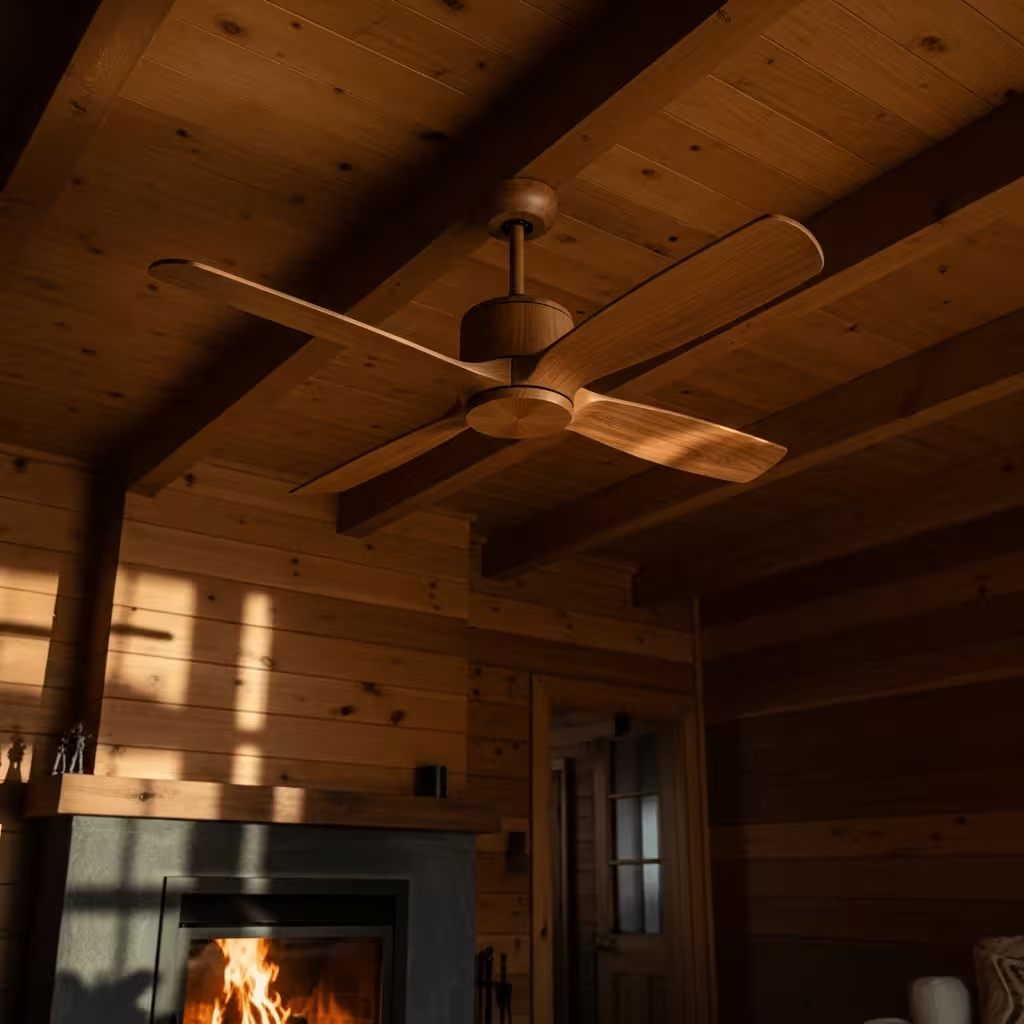
Section 2: Assessing Room and Environmental Factors
Choosing the right ceiling fan involves more than merely picking a design that appeals visually. A successful selection process requires careful assessment of the room and its environmental factors, ensuring that the fan will provide optimal comfort and efficiency. This analysis begins with evaluating room size, shape, and functionality—key elements that affect air circulation and energy usage.
Evaluating Room Dimensions
The dimensions of your room play a critical role in determining the appropriate size of a ceiling fan. Larger rooms demand fans with broader blades, typically ranging from 50 to 55 inches in diameter, to effectively circulate air. In smaller spaces, such as kitchens or bathrooms, a compact fan with a blade span of 29 to 36 inches is often sufficient. Measuring the room’s width and length will provide the necessary data to match your space with the correct fan size, ensuring both aesthetics and airflow efficiency are achieved.
Considering Ceiling Height
Ceiling height is another factor that influences fan choice. Rooms with standard 8-foot ceilings accommodate flush-mount or low-profile fans, which sit closer to the ceiling and optimize safety. For spaces with higher ceilings, a downrod extension might be necessary, positioning the fan at a height where it’s most effective—typically around 8 to 9 feet from the floor. This adjustment not only enhances air circulation but also maintains proper clearance, a crucial safety and operational consideration.
Environmental Influences
Beyond the physical attributes of the room, environmental factors should be taken into account. Areas with higher humidity levels, common in specific parts of Christchurch, benefit from installing fans with high moisture tolerance. Fans specifically designed for outdoor use, featuring weather-resistant materials and finishes, can also serve well in rooms that experience frequent exposure to moist conditions, such as conservatories or verandas. Additionally, ensuring the fan operates quietly can prevent disturbance, enhancing the overall functionality and comfort of the space.
Mastering these foundational elements empowers homeowners and professionals alike to incorporate ceiling fans that truly meet their environmental and spatial needs. Understanding these dynamics forms a crucial part of any comprehensive ceiling fan buying guide, ensuring informed decisions are made.
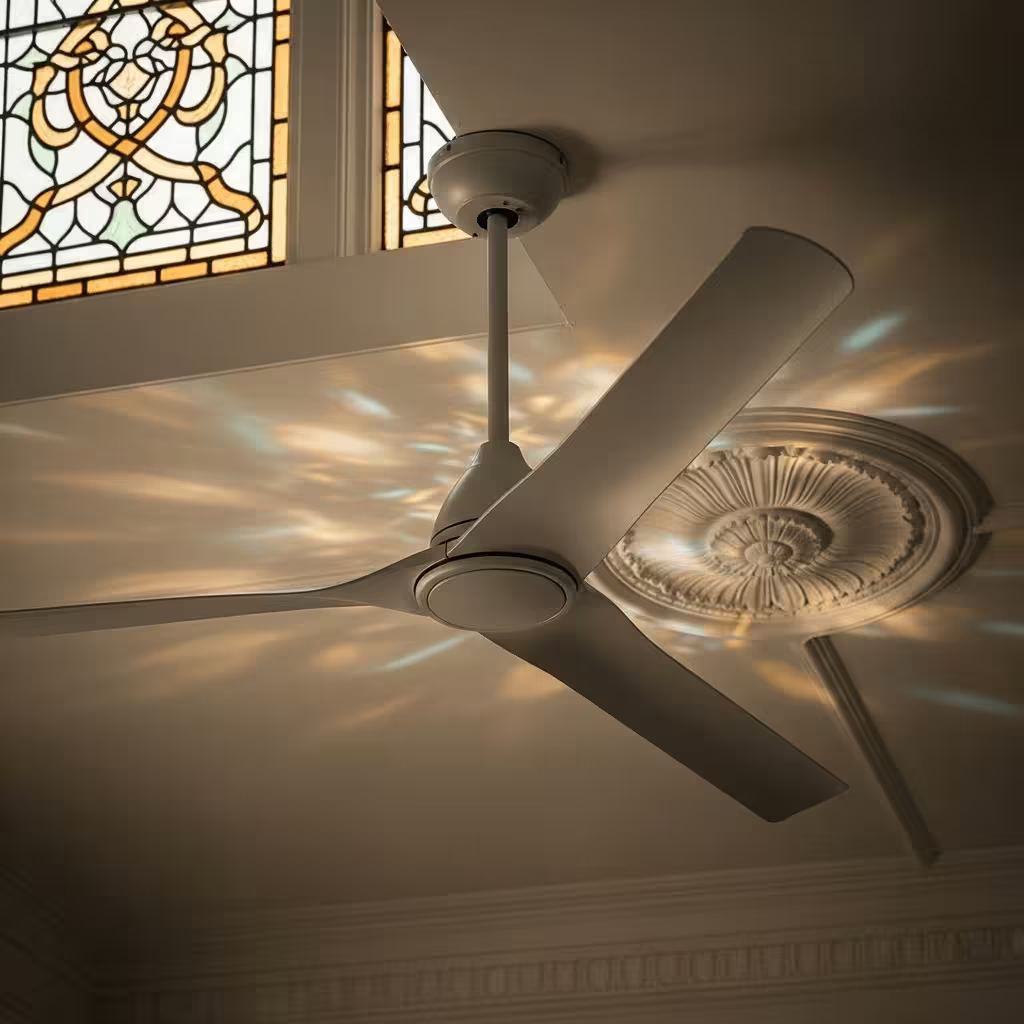
Practical Ceiling Fan Installation and Maintenance Tips
Understanding the installation process and maintaining your ceiling fan ensures longevity and optimal performance. Whether you’re a seasoned DIY enthusiast or seeking professional support, attention to detail during installation can prevent common issues like wobbling or inefficient airflow.
Installation Tips
Installing a ceiling fan involves more than just attaching blades to a motor. Start by selecting the appropriate fan size for the room, considering factors like blade span and motor capacity. A fan too large or small for the space can lead to uneven air distribution, reducing its efficiency. To ensure optimal performance, consult the manufacturer’s installation manual, which often provides specific guidance tailored to your fan model.
Hiring a professional electrician, like those from BT Electrical Solutions in Christchurch, is advisable for a seamless installation. Professionals ensure that electrical connections are secure and compliant with local codes, preventing potential hazards. They also guarantee the balance and stability of the fan, which is crucial for avoiding wobbling and noise during operation.
Maintenance Strategies
Regular maintenance is key to sustaining the performance of your ceiling fan over the years. Start with cleaning the blades and motor housing to prevent dust and debris buildup, which can impede the fan’s efficiency and cause imbalances. Consider using a soft brush or a microfiber cloth to gently remove dust, taking care not to alter the blade alignment.
Annual checks of the fan’s motor and electrical connections are vital. Listen for unusual sounds that could indicate worn bearings or loose fittings, and ensure that screws and bolts remain tight to avoid vibration and noise. Reversing the fan’s direction seasonally can also improve the comfort and efficiency of your heating and cooling system, a simple yet effective strategy for energy conservation.
Understanding installation and maintenance requirements enhances your ability to choose the right ceiling fan and maintain its performance over time. By taking proactive steps in these areas, you ensure your fan remains a beneficial fixture in your home.
Why Choose BT Electrical Solutions for Your Ceiling Fan Needs
Choosing the right provider for your ceiling fan requirements can make a significant difference in both performance and satisfaction. BT Electrical Solutions stands out as the top choice in Christchurch due to our commitment to quality, expertise, and customer satisfaction. Our local presence gives us an in-depth understanding of specific environmental conditions and architectural styles unique to the New Zealand market.
Experienced Local Experts
When it comes to expert ceiling fan installation in Christchurch, BT Electrical Solutions brings unparalleled local expertise. Our team comprises fully licensed electricians who are well-versed with the latest technologies and best practices in ceiling fan wiring and setup. This ensures each installation is optimally tailored to suit room dynamics and adhere to New Zealand’s safety standards.
What Sets Us Apart
Our commitment to excellence is evident in our approach. BT Electrical Solutions prioritises clear communication and detailed planning, which are essential for seamless service delivery. We pride ourselves on our customer-centric philosophy, ensuring each client receives personalised solutions that reflect their specific needs and preferences. This personalised approach has fostered a positive reputation among Christchurch residents and beyond. Additionally, our offerings are comprehensive, including ongoing maintenance and consultation services to enhance ceiling fan longevity and performance.
For those seeking a professional electrician in Christchurch, New Zealand, BT Electrical Solutions provides the reliability and skill necessary to handle all ceiling fan-related needs.
Experience the peace of mind that comes with trusting a seasoned expert in fan installations. Our team’s dedication to superior service ensures every client receives the best value for their investment.
Our upcoming section will tackle commonly asked questions, shedding light on various aspects of ceiling fan selection and installation to aid you in making informed decisions.
Frequently Asked Questions
How do I choose the right ceiling fan size for my room?
Choosing the right ceiling fan size is crucial for effective air circulation. Measure the room dimensions and consult size guides which match your room’s square footage to the fan’s blade span. Larger rooms may require a fan with a 52-inch blade span or bigger, while smaller rooms could be better suited with a 36 to 42-inch fan.
Can ceiling fans be installed on angled ceilings?
Yes, ceiling fans can be installed on angled ceilings with the right mounting kit. Opt for a fan with a longer downrod to ensure it hangs at the correct height. Additionally, ensure that the fan you purchase is designed to operate on angled surfaces.
Are ceiling fans energy efficient?
Ceiling fans are typically energy efficient, reducing the need for air conditioning and thus lowering electricity bills. To maximise efficiency, consider models with Energy Star certification. These fans use advanced technology to provide superior airflow with minimal energy consumption.
How often should ceiling fan maintenance be performed?
Regular maintenance of your ceiling fan should be carried out at least twice a year. This includes dusting the blades, checking electrical connections, and tightening screws. For optimal performance, consider hiring a professional from BT Electrical Solutions in Christchurch for a thorough inspection.
What is the ideal height for ceiling fan installation?
The recommended height for ceiling fan installation is 7 to 9 feet above the floor. This ensures that the fan efficiently circulates air while maintaining a safe distance from people walking underneath. For higher ceilings, a longer downrod may be required.
Can a ceiling fan be used outdoors?
Yes, certain ceiling fans are designed for outdoor use. These fans are built with materials that resist rust and water damage. Ensure you choose a model rated for outdoor installations, which is specified as “damp-rated” or “wet-rated” depending on exposure levels.
Is it possible to reverse the direction of a ceiling fan?
Most modern ceiling fans allow you to reverse the direction of the blades. Changing the blade direction to clockwise during colder months helps redistribute warm air trapped near the ceiling, improving heating efficiency.
How do I know if a ceiling fan is suitable for tall ceilings?
Fans designed for tall ceilings often come with longer downrods to position the blades at an effective height from the floor. When selecting a fan, look for models that specifically indicate compatibility with high ceilings and include appropriate downrod lengths in the product specifications.
Key Insights
I don’t have access to recent news articles, government data, or industry publications dated within the past 6-12 months from your current date of November 27, 2025. The search results provided contain buying guides and educational content from ceiling fan retailers in New Zealand, but they do not include timestamps or publication dates that would confirm they are from the recent 6-12 month window you’ve specified.
To find the latest trends, data, and information on ceiling fan buying guides for the electrician industry in Christchurch, New Zealand, I recommend checking recent publications from:
– New Zealand electrical trade publications and associations
– Recent news articles from NZ media outlets covering home improvement trends
– Current government building code updates from Building and Housing
– Recent industry reports from NZ electrician professional organizations
I’m unable to provide the specific formatted response you requested without access to verified recent sources meeting your criteria.