Quick Answer: The Healthy Homes Standards require all New Zealand rental properties to meet minimum requirements for heating, insulation, ventilation, moisture control, and draught stopping. As of July 2025, there are no more grace periods — landlords face fines up to $7,200 per breach (or $50,000 for portfolio landlords). For Christchurch properties, most electrical compliance work involves heat pump installation, extractor fan upgrades, and smoke alarm systems.
What’s in This Guide
- What Are the Healthy Homes Standards?
- Electrical Requirements for Landlords
- Canterbury & Christchurch Considerations
- Compliance Dates & Deadlines
- Penalties for Non-Compliance
- Why Choose BT Electrical Solutions
- Frequently Asked Questions
What Are the Healthy Homes Standards?
The Healthy Homes Standards are a set of minimum requirements introduced under the Residential Tenancies (Healthy Homes Standards) Regulations 2019. They apply to all rental properties in New Zealand and cover five key areas:
- Heating — Fixed heaters that can warm the main living room to at least 18°C
- Insulation — Ceiling and underfloor insulation meeting minimum R-values
- Ventilation — Extractor fans in kitchens and bathrooms, plus openable windows
- Moisture Ingress & Drainage — Ground moisture barriers and functional drainage systems
- Draught Stopping — Sealing gaps wider than 3mm around windows, doors, and walls
The goal is straightforward: every New Zealand rental should be warm, dry, and safe to live in. For landlords in Christchurch and wider Canterbury, three of these five standards directly involve electrical work — making your electrician one of the most important partners in getting compliant.
Electrical Requirements for Landlords
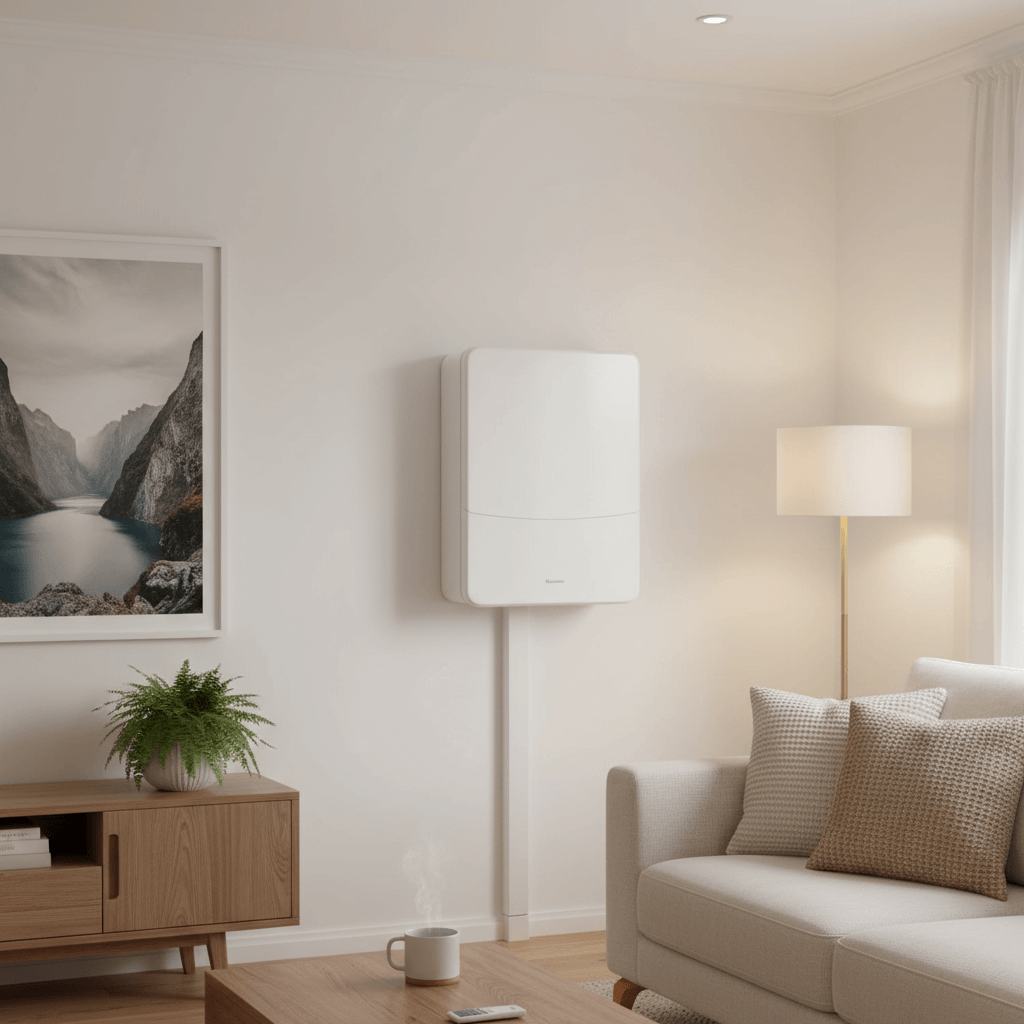
Heating Standard: Why Most Christchurch Rentals Need a Heat Pump
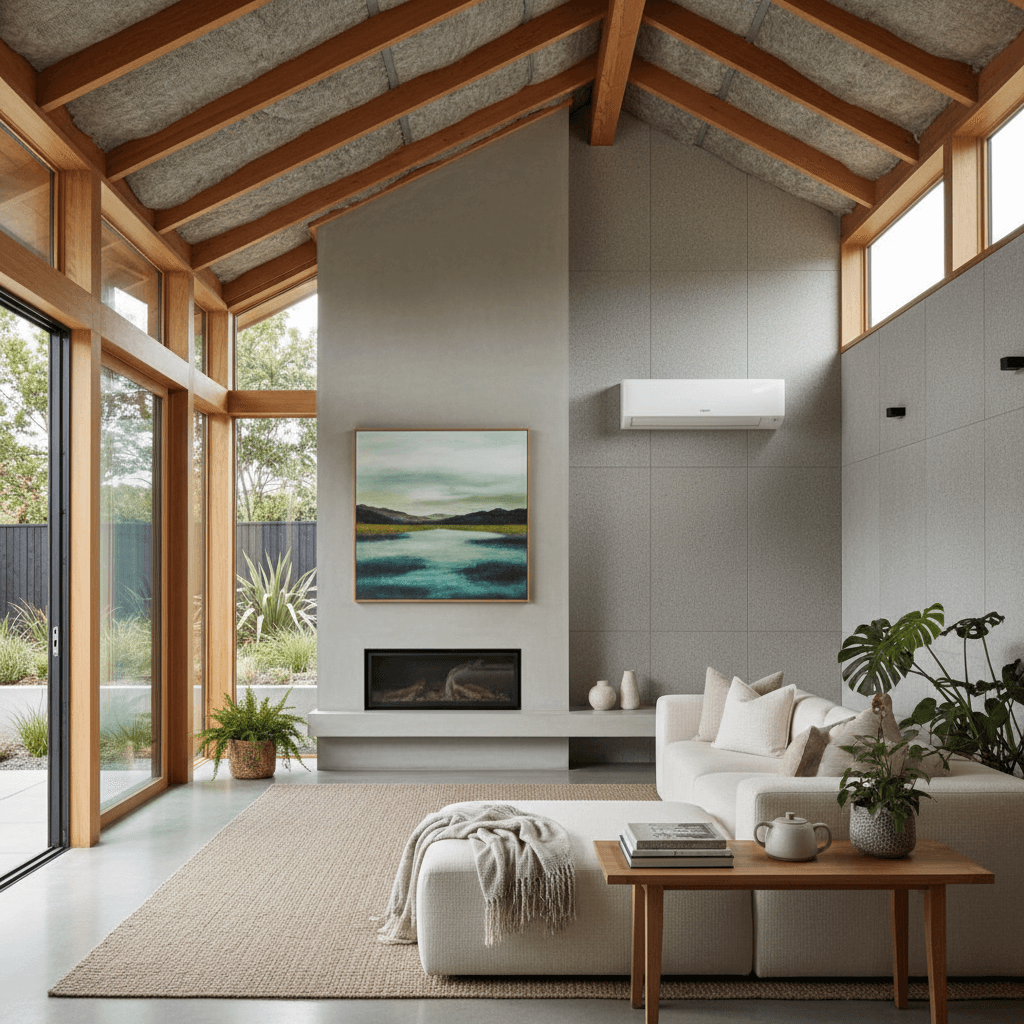
The heating standard requires a fixed heater capable of warming the main living room to at least 18 degrees Celsius. Portable plug-in heaters, open fires, and unflued gas heaters do not count.
The required heating capacity depends on your room size, insulation, window area, and climate zone. Here’s the critical rule many landlords miss:
If the calculated heating capacity exceeds 2.4 kW, a standalone electric panel heater cannot be the sole heating source.
In practice, most Christchurch living rooms — particularly in older homes across suburbs like Riccarton, Linwood, Woolston, Shirley, and Papanui — require 3–5 kW of heating capacity. That means a heat pump is typically the most practical and cost-effective compliant solution.
Acceptable fixed heaters include:
- Heat pumps (must have a thermostat) — the most common choice for Canterbury
- Wood burners and pellet burners (with valid building consent)
- Flued gas heaters
- Fixed electric panel heaters — only where required capacity is 2.4 kW or less
You can calculate your exact requirement using the official Tenancy Services Heating Assessment Tool.
Ventilation Standard: Kitchen & Bathroom Extractor Fans
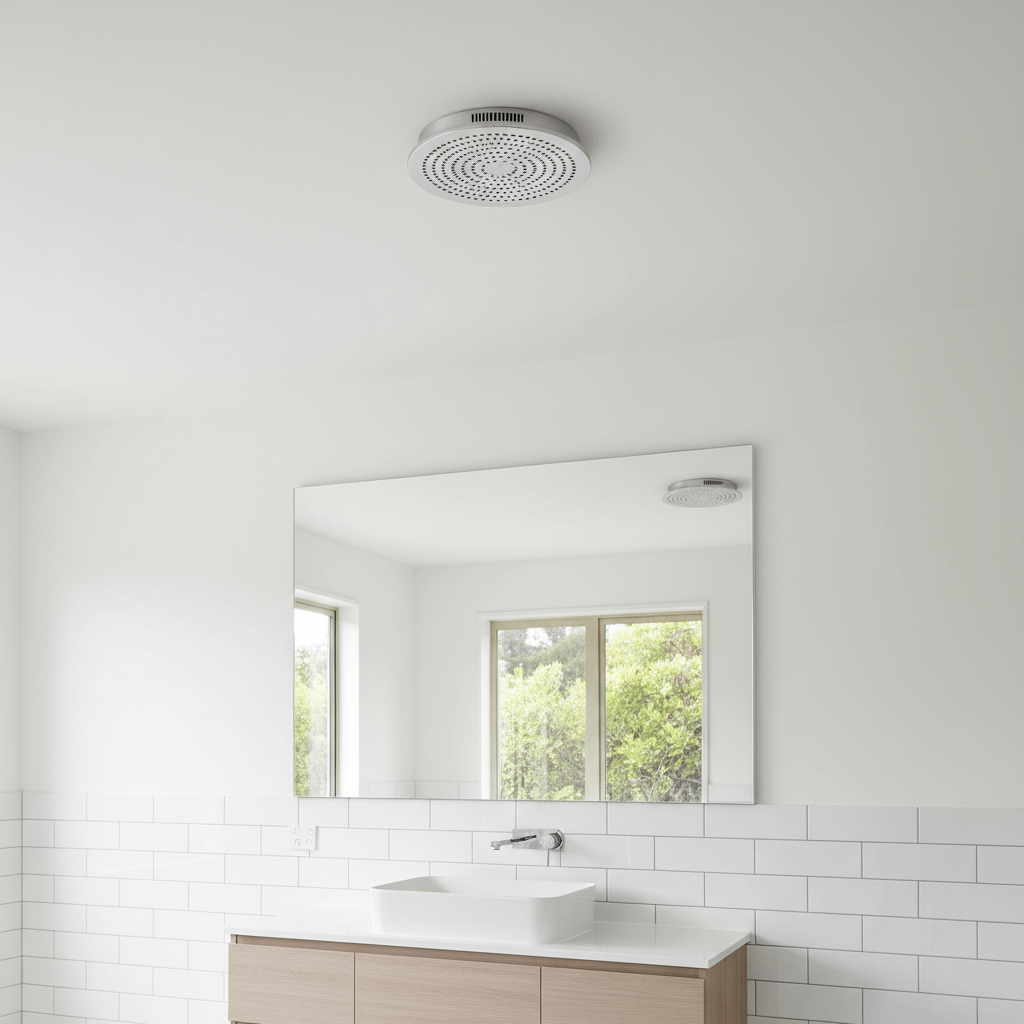
Kitchens and bathrooms in rental properties must have extractor fans that vent directly to the outside — not into the roof space, ceiling cavity, or subfloor. This is a common compliance failure, particularly in older Christchurch homes built before the 2011 earthquakes.
Minimum specifications for fans installed after 1 July 2019:
- Kitchen: 150mm duct diameter OR minimum 50 litres/second exhaust capacity
- Bathroom: 120mm duct diameter OR minimum 25 litres/second exhaust capacity
Pre-existing fans installed before July 2019 are acceptable if they’re working and venting outside. However, if an old fan fails, the replacement must meet the current specifications.
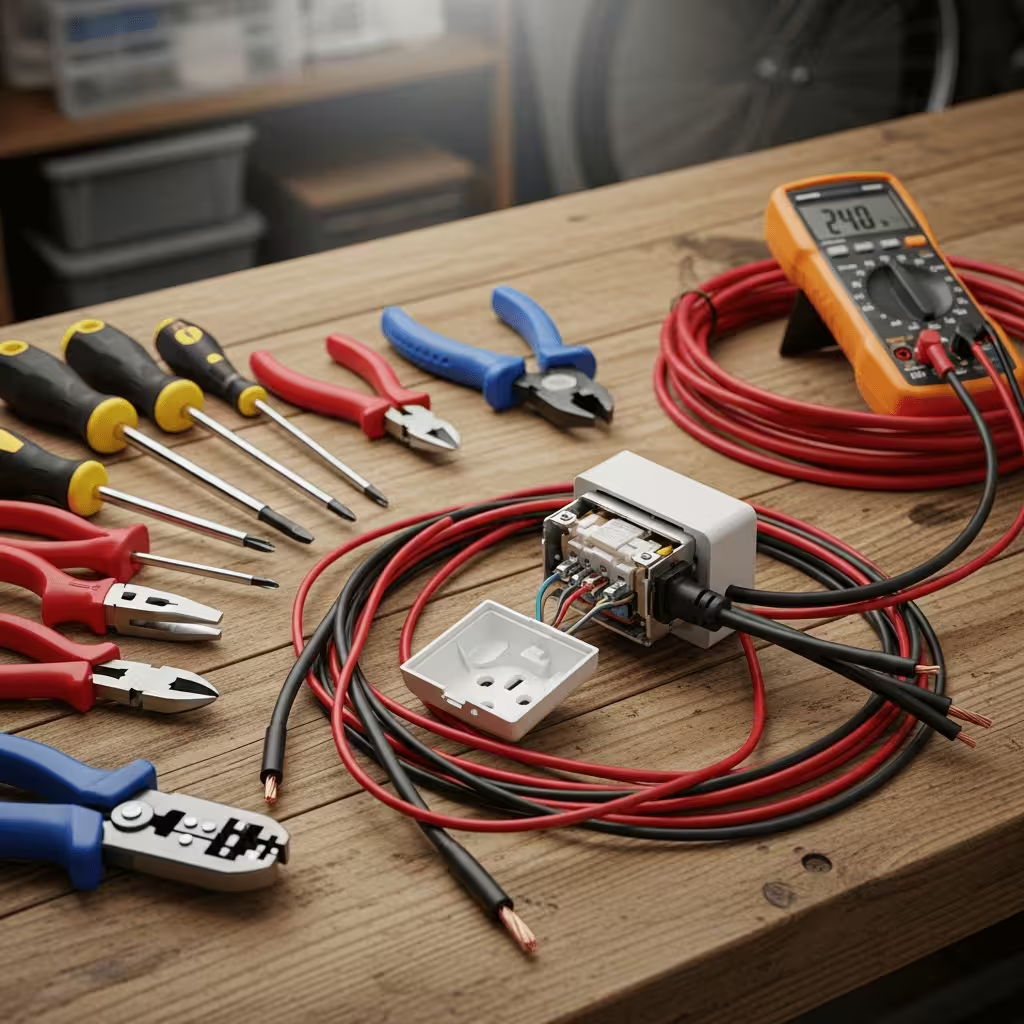
Installing or replacing extractor fans is prescribed electrical work under NZ law and must be carried out by a licensed electrician. This isn’t a DIY job — and it’s one of the most common call-outs we handle for Christchurch landlords.
Additionally, living rooms, dining rooms, kitchens, and bedrooms must have openable windows totalling at least 5% of the room’s floor area.
Smoke Alarm Requirements
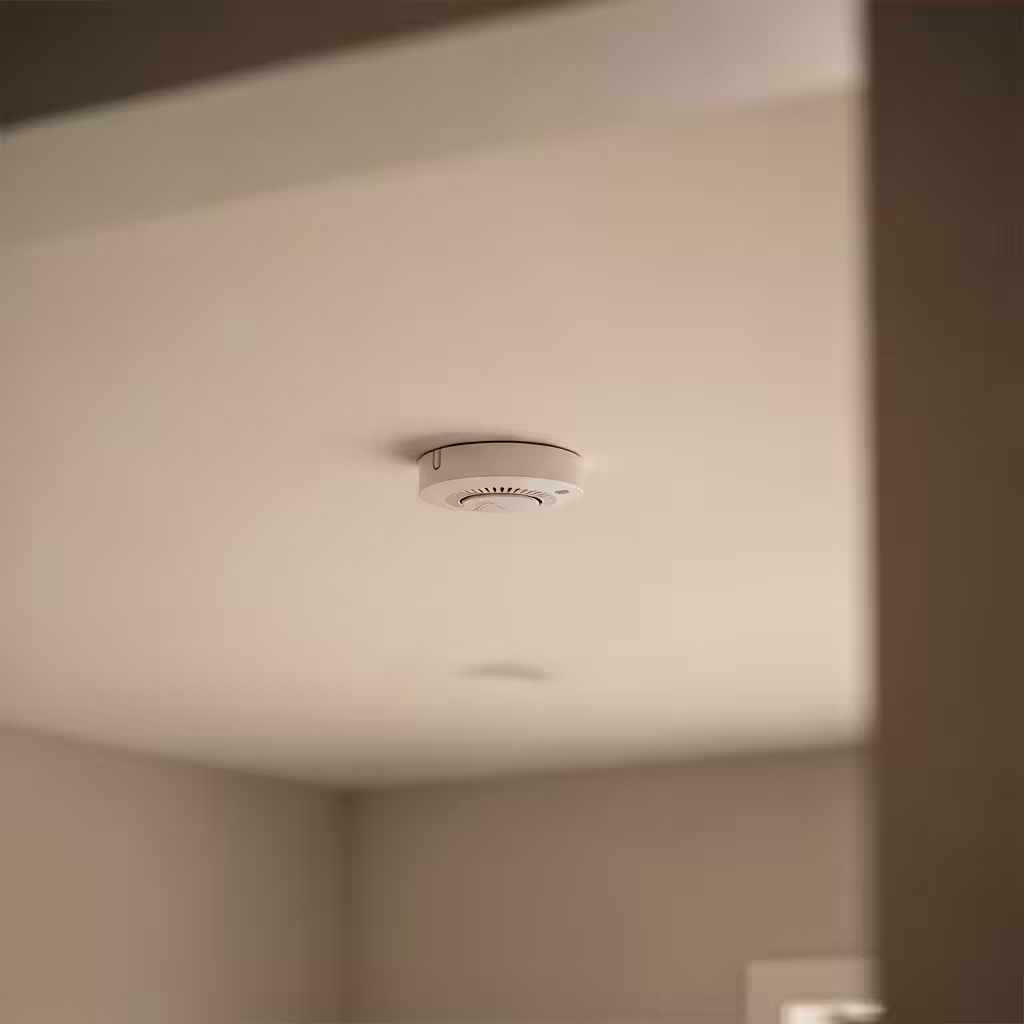
While technically covered under separate regulations (the Residential Tenancies (Smoke Alarms and Insulation) Regulations 2016), smoke alarms are equally mandatory for rental properties and involve electrical work.
The requirements are:
- Hard-wired or long-life photoelectric battery alarms (minimum 8-year battery life)
- At least one working smoke alarm within 3 metres of each bedroom door
- Alarms on every level of multi-storey properties
- A heat alarm in kitchens separated by closable doors
- Alarms must be working at the start of every tenancy
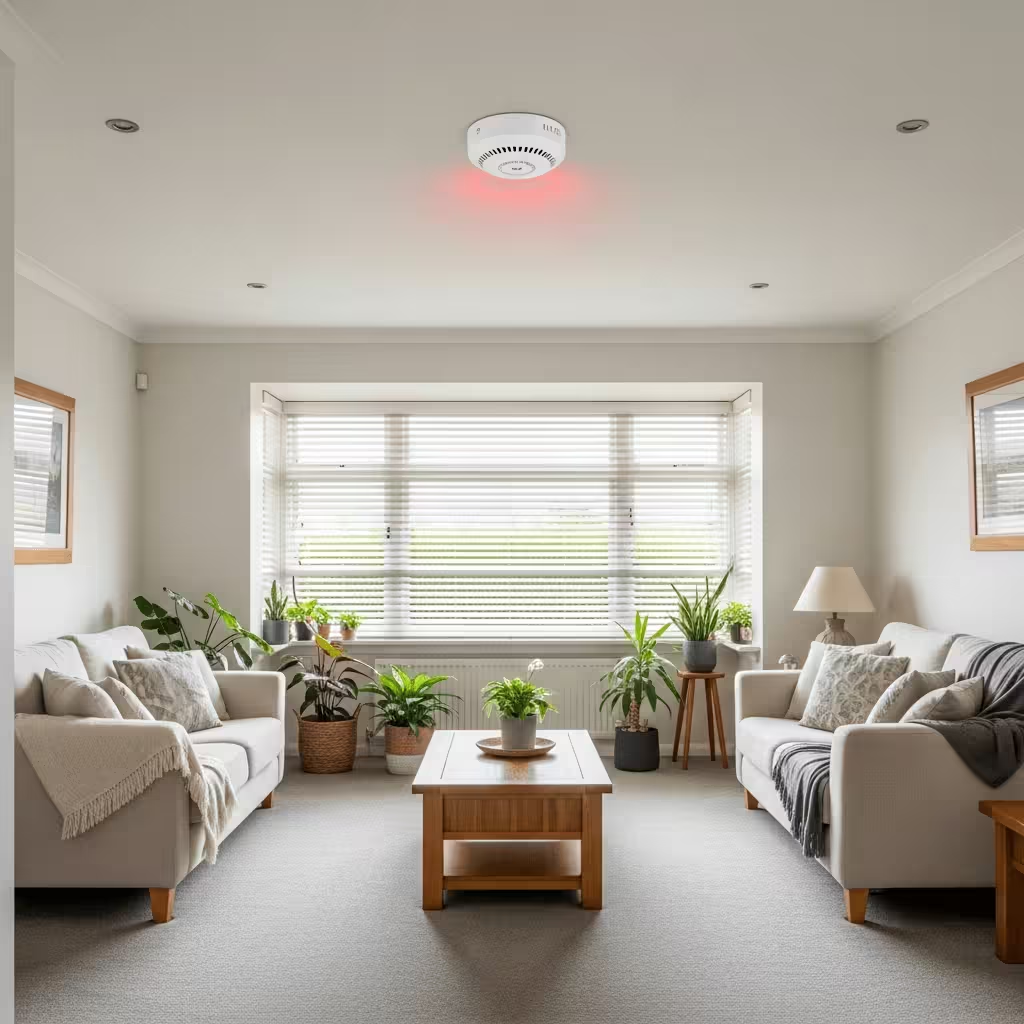
For new builds and major renovations, the updated Building Code (November 2023) now requires interconnected smoke alarm systems — when one alarm triggers, they all sound throughout the home.
Canterbury & Christchurch Considerations
Christchurch landlords face some unique challenges when it comes to Healthy Homes compliance:
Climate Zone 3 means higher standards. The entire South Island sits in Climate Zone 3, which requires the highest insulation R-values in the country. Options like underfloor heating in Christchurch can help offset the additional heating demands — R 3.3 for ceilings and R 1.3 for underfloor. Combined with colder winters, this means most properties need more heating capacity than equivalent homes in Auckland or Wellington.
Older housing stock needs more work. Many pre-1978 Christchurch homes have poor original insulation, single glazing, and draughty construction. Suburbs like St Albans, Sydenham, Addington, Phillipstown, and New Brighton have significant stocks of older rental properties that commonly need comprehensive electrical upgrades, including full rewiring in some cases.
Post-earthquake rebuilds are often already compliant. If your property was rebuilt after the 2011 earthquakes, it was built to updated Building Code standards and likely already meets most Healthy Homes requirements for insulation and ventilation. However, it’s still worth having the heating capacity formally assessed.
High rental demand means enforcement is active. Christchurch has a large and active rental market. Tenancy Services is actively investigating complaints and issuing penalties — particularly for heating and insulation failures.
Compliance Dates & Deadlines
The phasing-in period for the Healthy Homes Standards is completely over. Here are the key dates:
- 1 July 2019: Standards became law
- 1 July 2021: Boarding houses and Kāinga Ora properties required to comply
- 1 July 2025: Final deadline — all private rental properties must comply
- 25 September 2025: Minor technical amendments (ceiling insulation exemption for limited roof space)
As of 2026, there are no more grace periods. Your property must be fully compliant the moment keys are handed over to a tenant. There is no 120-day window or transition period remaining.
Penalties for Non-Compliance
The financial consequences of non-compliance are significant:
- Landlords with fewer than 6 properties: Up to $7,200 in exemplary damages per breach
- Landlords with 6 or more properties: Up to $50,000 per breach
Enforcement works through the Tenancy Commissioner’s Investigations Team (TCIT), which can issue formal warnings, improvement notices, or take landlords directly to the Tenancy Tribunal. In practice, Tribunal decisions through 2025 have awarded damages in the range of $2,000–$3,500 per breach.
These penalties are per breach, per standard — meaning a property that fails on heating, ventilation, and smoke alarms could face three separate penalty orders.
Why Choose BT Electrical Solutions
Getting your Christchurch rental property compliant with the Healthy Homes Standards doesn’t have to be complicated. Our team at BT Electrical Solutions handles the electrical side of compliance every day — from electrical maintenance assessments to heat pump installations and extractor fan upgrades across Canterbury.
What Sets Us Apart
- Healthy Homes Specialists: We understand the specific electrical requirements and can assess your property’s compliance in a single visit
- EWRB Registered: All our electricians are fully licensed and registered — every installation comes with the required electrical compliance certificate
- Canterbury Focus: We know Christchurch’s housing stock, climate zone requirements, and the common compliance issues in local rental properties
Frequently Asked Questions
What electrical work do I need for Healthy Homes compliance?
The most common electrical work includes heat pump installation (heating standard), kitchen and bathroom extractor fan installation or upgrades (ventilation standard), and smoke alarm installation or replacement (smoke alarm regulations). The exact requirements depend on your property’s size, age, and current fittings.
Can I use a portable heater to comply with the heating standard?
No. The heating standard requires a fixed heater — portable plug-in heaters, open fires, and unflued gas heaters are not acceptable. In most Christchurch living rooms, a heat pump is the most practical compliant option because the required heating capacity typically exceeds 2.4 kW.
Do I need an electrician to install extractor fans?
Yes. Installing or replacing hard-wired extractor fans is prescribed electrical work under NZ law and must be done by a licensed electrician. An unlicensed installation puts you at legal risk and won’t receive the required Certificate of Compliance.
What happens if my rental property isn’t compliant?
Tenants can lodge a complaint with Tenancy Services, who may investigate and take the matter to the Tenancy Tribunal. Penalties range from $7,200 for individual landlords to $50,000 for portfolio landlords per breach. There are no more grace periods — properties must be compliant from day one of any tenancy.
Are smoke alarms part of the Healthy Homes Standards?
Smoke alarms are covered under separate but equally mandatory regulations. Rental properties must have hard-wired or long-life photoelectric alarms within 3 metres of each bedroom door, on every level. New builds now require interconnected systems where all alarms sound together.
My property was rebuilt after the Christchurch earthquakes — do I still need to check compliance?
Post-earthquake rebuilds generally meet insulation and ventilation requirements due to updated Building Code standards. However, the heating capacity should still be formally assessed, and smoke alarms should be checked to ensure they meet the current photoelectric and placement requirements — and if your smoke alarm keeps going off, it may indicate a sensor or placement issue.