
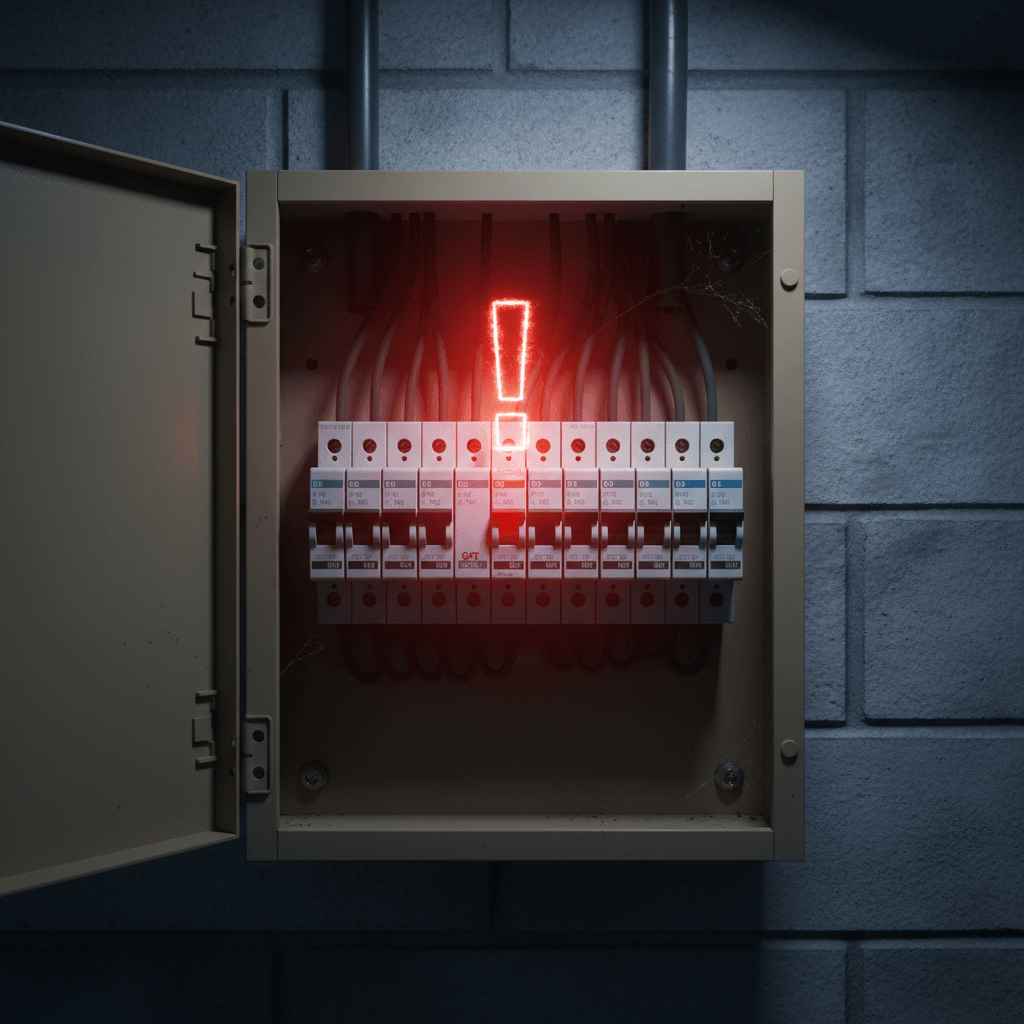
Quick Answer: Flickering lights, tripping circuit breakers, burning smells, warm outlets, buzzing sounds, and sparking switches are all electrical faults that need immediate professional attention. Ignoring these warning signs can lead to electrical fires, shock risks, and costly damage.
What’s in This Guide
- 8 Electrical Faults to Watch For
- When Is It an Emergency?
- What to Do When You Find a Fault
- Why Choose BT Electrical Solutions
- FAQs
8 Electrical Faults You Should Never Ignore
1. Circuit Breaker That Keeps Tripping
An occasional trip is normal, but a circuit breaker that trips repeatedly indicates a fault. Common causes include overloaded circuits, a short circuit in the wiring, a faulty appliance, or a worn-out breaker. Repeatedly resetting the breaker without investigating the cause can create a fire risk.
2. Burning or Unusual Smell
A burning smell near an outlet, switch, or switchboard is one of the most serious warning signs. It usually means wiring is overheating, insulation is melting, or a connection is arcing. Turn off the affected circuit immediately and call an electrician. Do not use the outlet or switch until it has been inspected.
3. Flickering or Dimming Lights
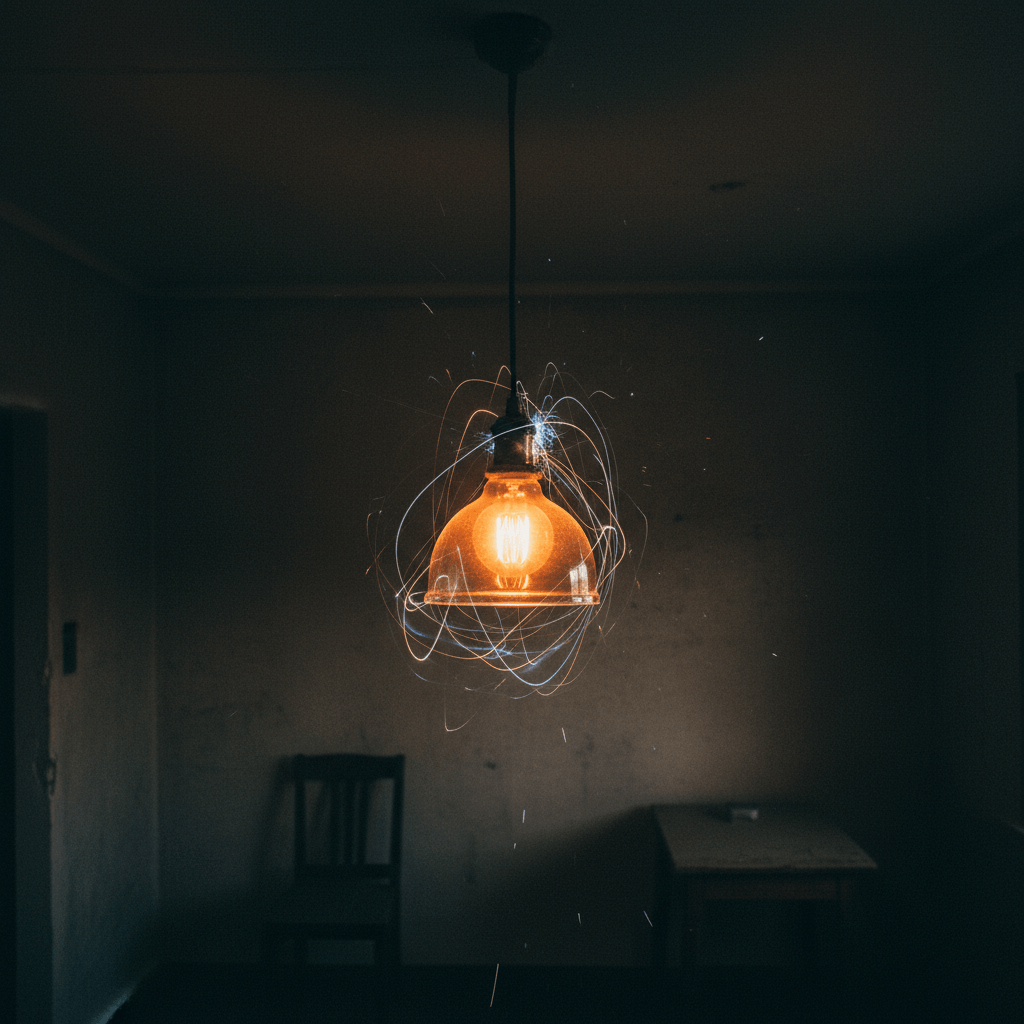
If lights flicker or dim regularly, especially when appliances turn on, it could indicate loose connections, overloaded circuits, or deteriorating wiring. While a single flickering bulb is usually just a loose globe, widespread flickering across multiple lights points to a wiring issue that needs professional diagnosis.
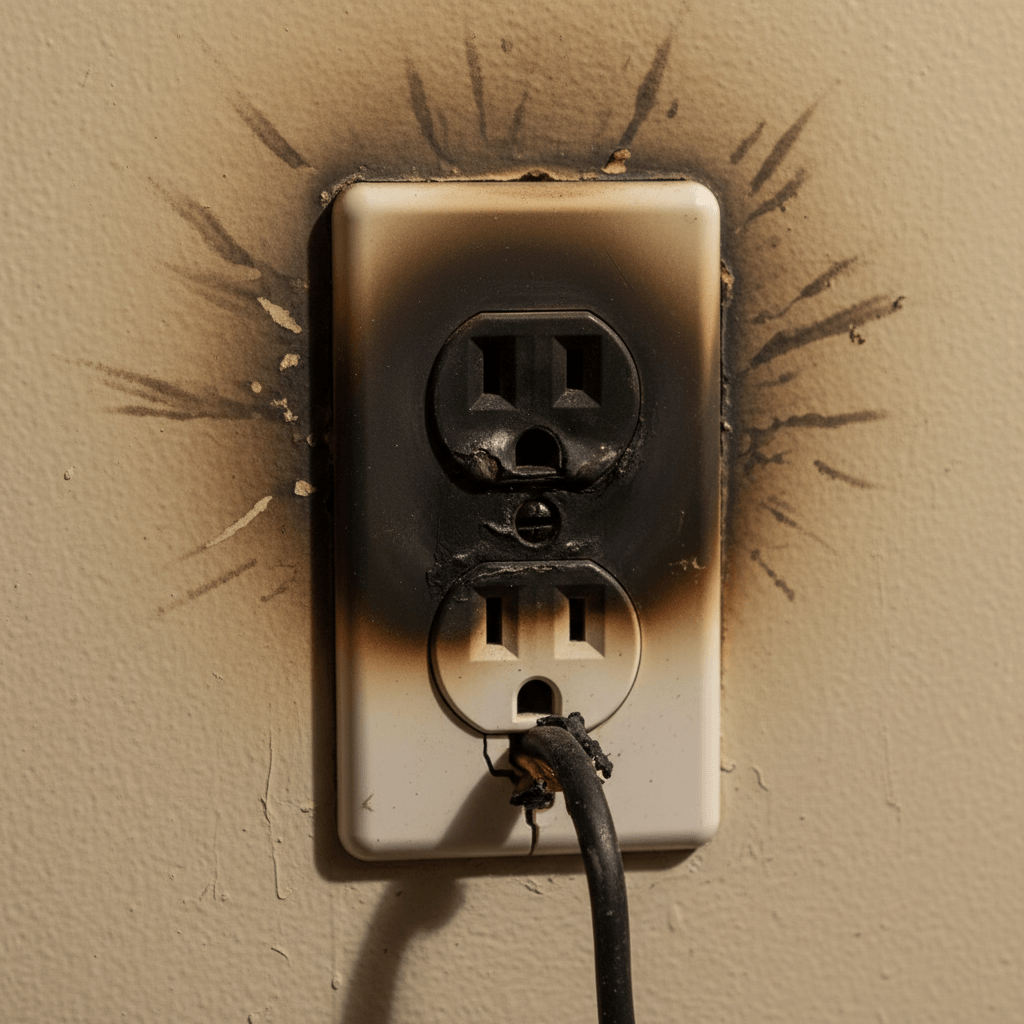
4. Warm or Discoloured Outlets
Power outlets should never feel warm to the touch, and any brown or yellow discolouration around an outlet is a sign of overheating. This can be caused by loose wiring, an overloaded circuit, or damaged connections behind the wall plate. Warm outlets are a fire hazard and should be checked immediately.
5. Buzzing or Humming Sounds
Electrical systems should operate silently. A persistent buzzing or humming from outlets, switches, or the switchboard suggests loose wiring, a failing component, or arcing. Arcing occurs when electricity jumps across a gap in damaged wiring and is a common cause of electrical fires.
6. Sparks When Plugging In
A small, brief spark when plugging in an appliance can be normal, but large sparks, sparks that last more than a split second, or sparks accompanied by a burning smell indicate a problem. Worn outlet contacts, loose internal wiring, or a faulty appliance can all cause dangerous sparking.
7. Outlets or Switches That Don’t Work
Dead outlets or switches that stop working are often caused by a tripped breaker, but if the breaker is fine, the issue is likely a loose connection, broken wiring, or a failed component. Dead circuits can also indicate damage elsewhere in the circuit that needs tracing.
8. Electrical Shocks or Tingling Sensations
Feeling a shock or tingling when touching an appliance, tap, or metal surface is a serious safety concern. It usually indicates a fault in the earthing system, damaged wiring, or a faulty appliance. This needs urgent professional attention as it presents a direct electrocution risk.
When Is It an Emergency?
| Situation | Urgency | Action |
|---|---|---|
| Burning smell from wiring/outlet | Emergency | Turn off circuit, call electrician immediately |
| Electric shock from fixture/tap | Emergency | Turn off mains, call electrician |
| Visible sparking or arcing | Emergency | Turn off circuit, do not use, call electrician |
| Warm/discoloured outlet | Urgent | Stop using outlet, book electrician same day |
| Repeated circuit breaker tripping | Urgent | Leave circuit off, book electrician within 24hrs |
| Flickering lights (multiple rooms) | Soon | Book electrician this week |
| Single dead outlet | Non-urgent | Book at convenience |
What to Do When You Find an Electrical Fault
Step 1: Stay Safe
If the fault presents an immediate danger (burning smell, sparks, shocks), turn off the affected circuit at the switchboard. If you cannot identify the circuit, turn off the main switch. Do not touch anything that may be live.
Step 2: Do Not Attempt DIY Repairs
In New Zealand, all electrical repair work must be carried out by a licensed electrician. Attempting to fix wiring faults yourself is illegal, dangerous, and can void your insurance.
Step 3: Call a Qualified Electrician
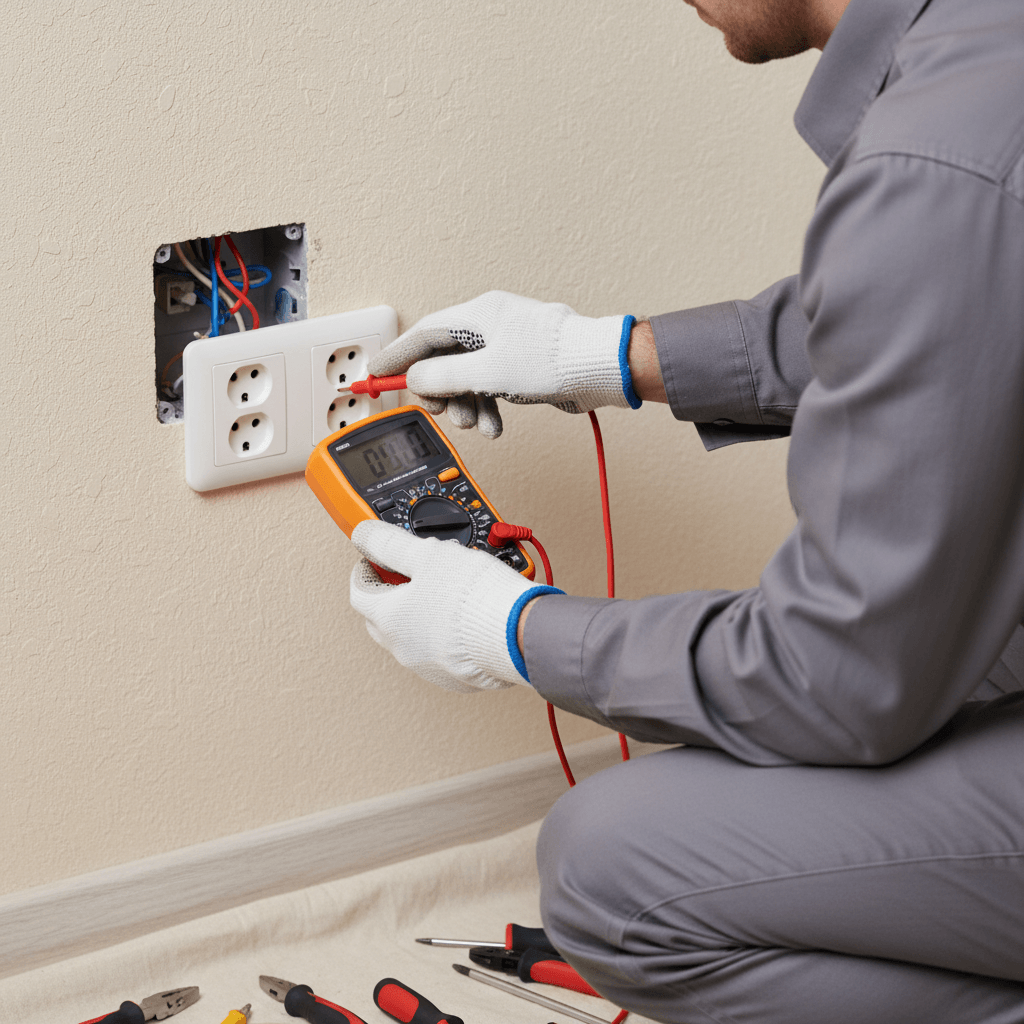
A qualified electrician will use professional testing equipment to systematically diagnose the fault, identify the root cause, and carry out a safe, permanent repair. This is the only way to properly resolve electrical faults and ensure your home is safe.
Why Choose BT Electrical Solutions
If you have noticed any of these electrical faults in your home, our electrical fault finding service can help. BT Electrical Solutions uses professional diagnostic equipment to accurately locate and repair electrical faults in Christchurch and Canterbury homes.
We provide clear explanations of what we find, upfront pricing before any repairs, and quality workmanship backed by our 12-month guarantee. As a local, family-run business, we are committed to keeping Christchurch homes safe.
Frequently Asked Questions
How much does electrical fault finding cost?
Diagnostic visits typically start from $150 in Christchurch, with most residential faults identified within 1-2 hours. Repair costs depend on the nature of the fault and are quoted separately before work begins.
Can I just reset a tripping circuit breaker?
Resetting once is fine, but if it trips again, stop resetting it. The breaker is doing its job by detecting a fault and disconnecting the circuit. Repeatedly resetting it without fixing the underlying issue can lead to overheating and fire.
Are old homes more likely to have electrical faults?
Yes. Homes built before the 1980s often have older wiring that has deteriorated over time. Common issues include degraded insulation, undersized circuits for modern appliance loads, and outdated switchboards without RCD protection. In many cases, a complete house rewire is the safest long-term solution. A professional electrical safety inspection can identify these issues before they become dangerous.
Can electrical faults cause fires?
Yes. Electrical faults are one of the leading causes of house fires in New Zealand. Loose connections, overloaded circuits, and damaged wiring can all generate heat that ignites surrounding materials. This is why electrical warning signs should never be ignored.

