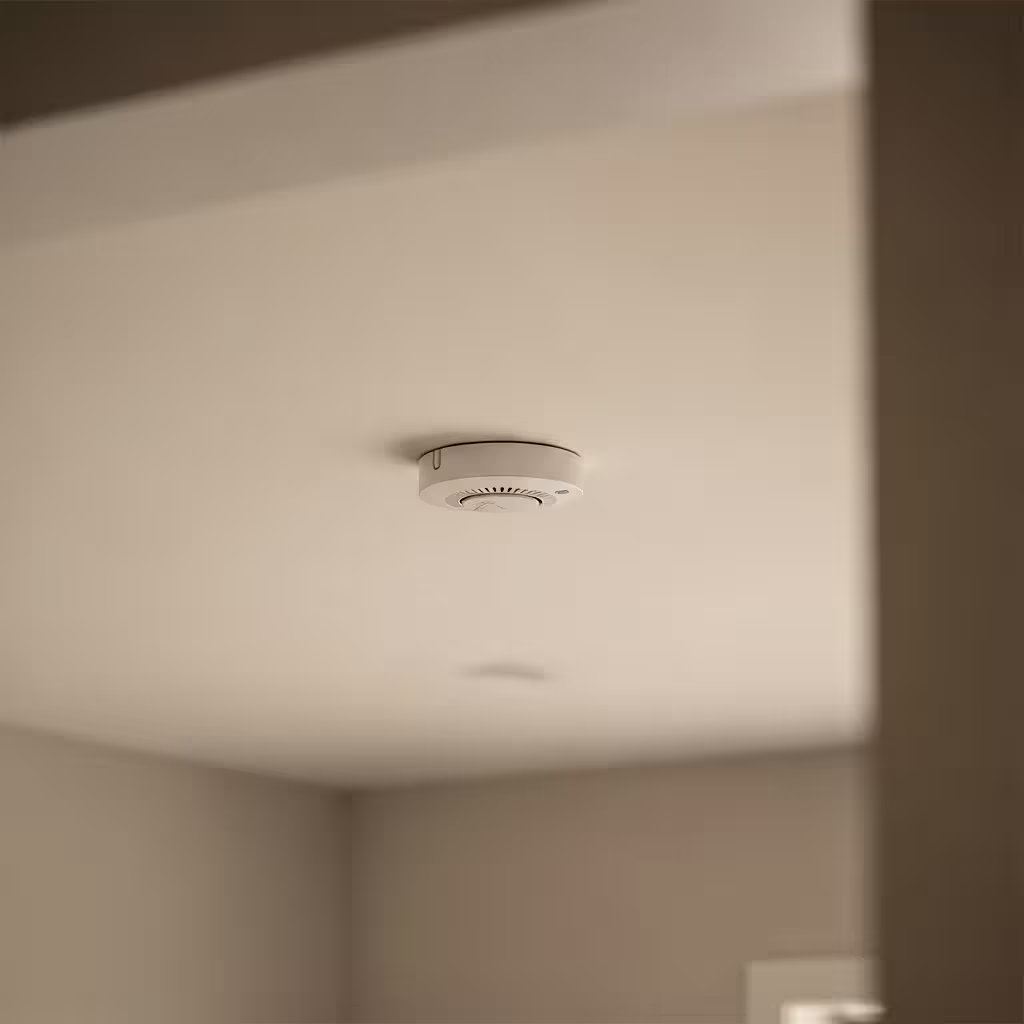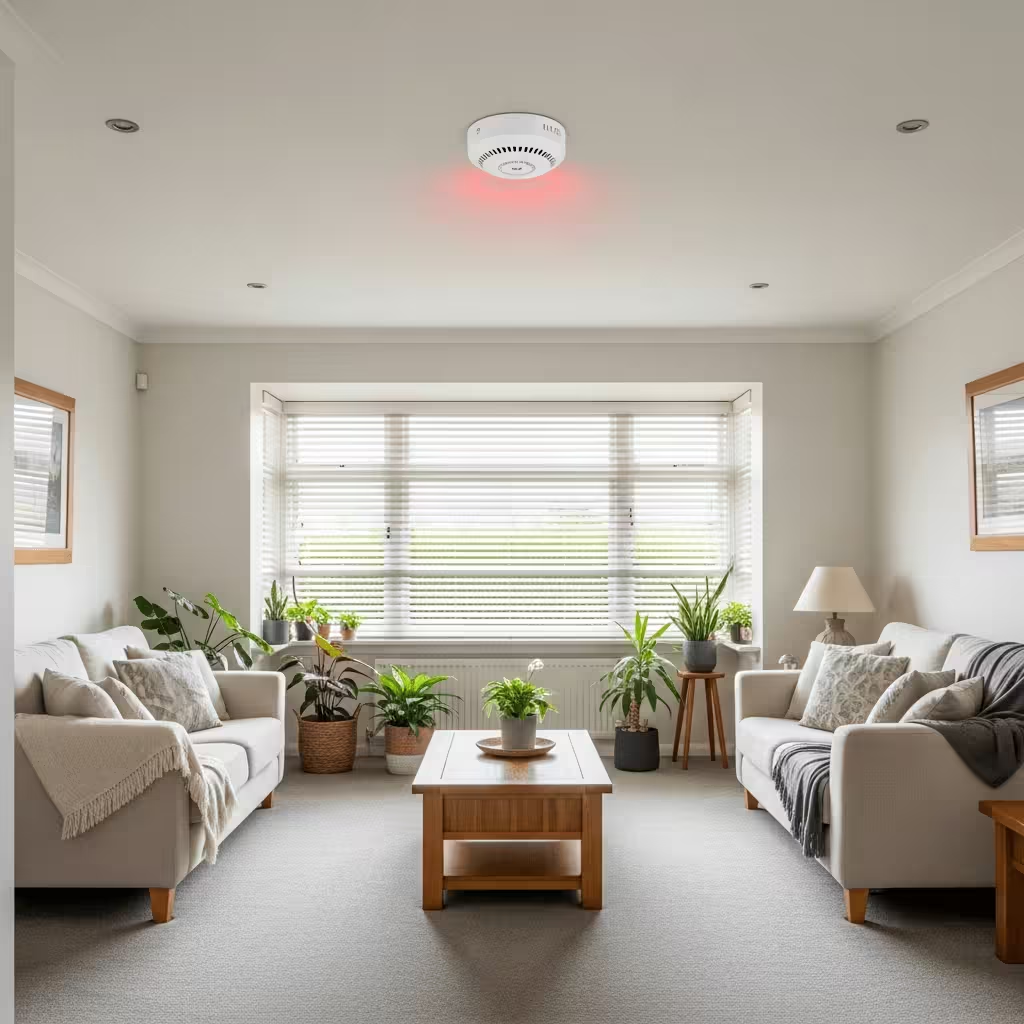
In New Zealand, you need at least one smoke alarm within 3 metres of each bedroom and at least one on every level of your home. Additional alarms are recommended in hallways and living areas to meet safety standards and impbytrove early fire detection.
- Introduction
- Types of Smoke Alarms
- Practical Considerations When Placing Smoke Alarms
- Why Choose BT Electrical Solutions for Your Smoke Alarm Needs
- Frequently Asked Questions
- How many smoke alarms do I need in Christchurch?
- What types of smoke alarms are recommended for homes?
- When should I replace my smoke alarms?
- Where should I place smoke alarms for maximum effectiveness?
- Why are interconnected smoke alarms recommended?
- Can I install smoke alarms myself?
- How do I maintain my smoke alarms?
- What should I do if my smoke alarm goes off unexpectedly?
Smoke alarms are an essential component of home safety, alerting occupants to the presence of smoke and potential fire hazards. Understanding how many you need, especially in Christchurch, New Zealand, requires adherence to both legal and safety standards set forth to protect lives and properties.
Understanding Smoke Alarm Requirements
In Christchurch, the minimum law requires residents to install at least one smoke alarm within three metres of each bedroom or sleeping room and at least one on every level of the home. This mandate ensures coverage throughout living spaces, facilitating early warning in the event of a fire by positioning alarms strategically to detect smoke as soon as it enters critical pathways.
Best Practice Guidelines
While meeting the minimum legal requirements is crucial, best-practice guidelines offer an elevated standard of safety. From November 2024, New Zealand’s Building Code updates for new builds and consented renovations advocate for interconnected smoke alarms in every bedroom, hallway, living area, and at least one on each storey. Interconnected systems ensure that when one alarm detects smoke, all alarms sound, providing comprehensive coverage and faster alerting to all occupants.
These guidelines align with the NZS 4514:2021 standards, promoting enhanced safety and technological integration. By opting for interconnected systems, homeowners not only comply with upcoming code changes but also maximise their home’s protection capabilities.
Local Expertise and Support
At BT Electrical Solutions, based in Christchurch, we leverage local expertise to assist residents in complying with both current regulations and forthcoming best-practice standards. Our team is well-versed in the latest safety requirements and is ready to provide advice and installation services tailored to your home’s specific needs. Committing to safe practices not only fulfills legal obligations but also significantly increases the safety of your loved ones and property.
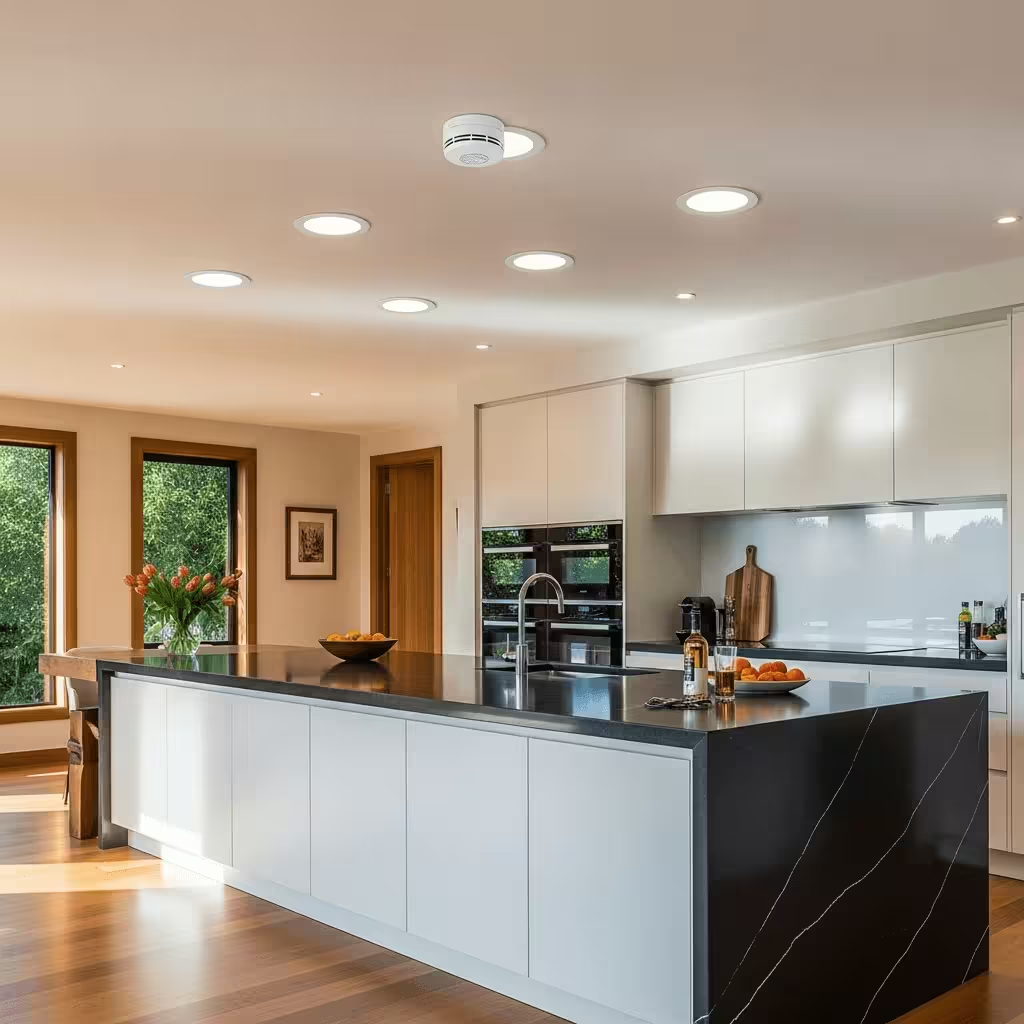
Types of Smoke Alarms
When considering the vital role that smoke alarms play in home safety, understanding the various types available is crucial for making an informed decision on how many smoke alarms you might need — our smoke alarm buying guide compares the leading models side by side. In Christchurch, New Zealand, homeowners have access to a range of smoke alarm technologies, each with particular benefits tailored to different environments and fire risks. By familiarising yourself with these options, you can optimise the protective measures within your home and comply with local safety standards.
Ionisation Alarms
Ionisation smoke alarms are designed to detect fast flaming fires, which release a significant amount of heat and consume combustible materials quickly. This detection method is particularly effective in environments where such fires are likely, such as kitchens or areas with flammable contents. They use a small amount of radioactive material between two electrically charged plates to create an ionisation chamber. Smoke entering the chamber disrupts the ion flow, triggering the alarm. However, these alarms are less sensitive to smoky, smouldering fires, which often occur with upholstery or wiring.
Photoelectric Alarms
Photoelectric alarms, also known as optical smoke alarms, are generally recommended for areas prone to slow, smouldering fires, such as bedrooms and hallways. They utilise a light beam and a light sensor positioned within the device. When smoke particles enter this chamber, they scatter the light, which is detected by the sensor, causing the alarm to sound. This type effectively detects the larger smoke particles typical of smouldering fires, providing valuable time to respond and evacuate if necessary. In Christchurch homes, installing a combination of ionisation and photoelectric alarms is often advised to cover various fire types comprehensively.
Interconnected Alarms
Interconnected smoke alarms, a preferred choice for modern homes, ensure widespread alertness by linking multiple alarms together. When one alarm detects smoke, all others activate simultaneously, alerting inhabitants throughout the property, regardless of their location. This function is vital for larger homes or buildings with multiple storeys, ensuring everyone is aware of potential dangers immediately. These systems can be hardwired or use wireless technologies, offering flexibility in installation and minimal disruption to your home. Choosing interconnected alarms can be a lifesaving decision, particularly in extensive homes or those with high occupancy.
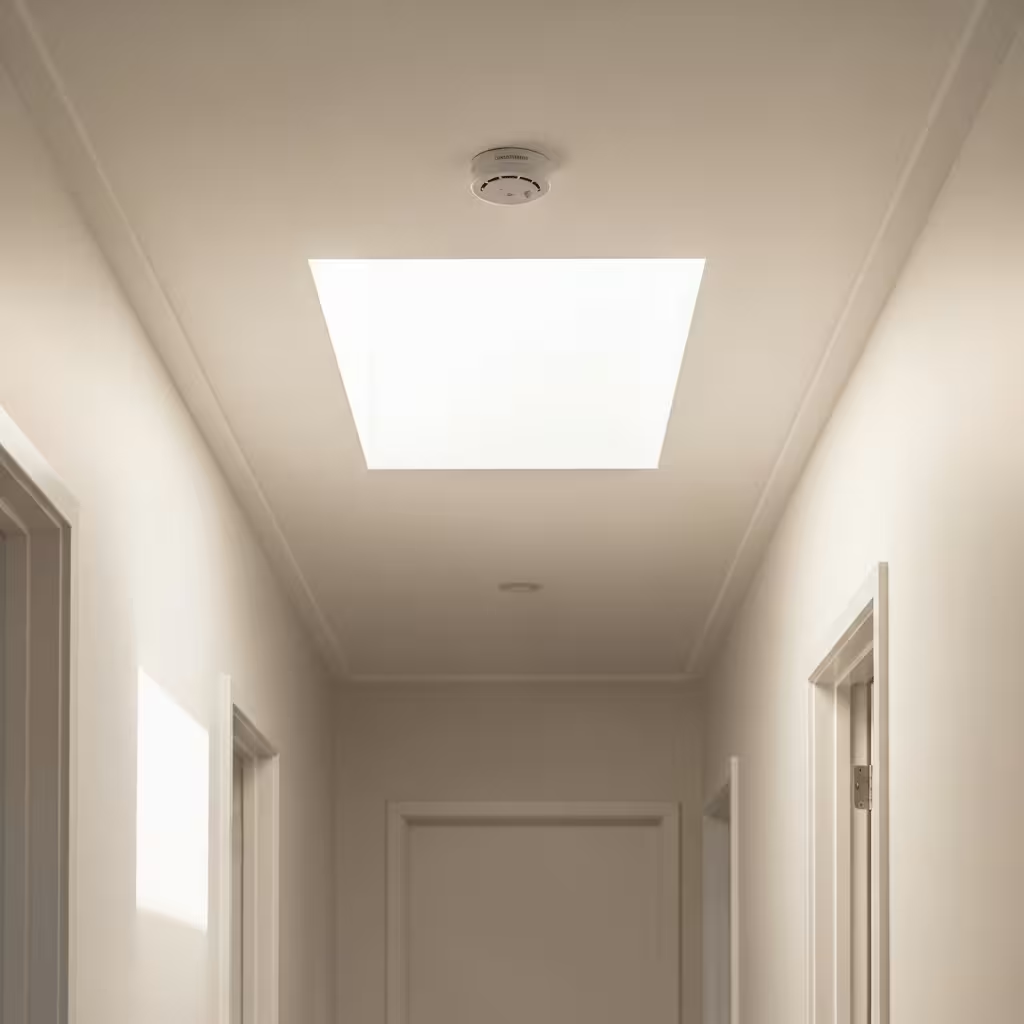
Practical Considerations When Placing Smoke Alarms
Determining the optimal quantity and placement of smoke alarms is crucial for effective coverage within a home. In general, experts recommend installing smoke alarms inside every bedroom, outside each sleeping area, and on every level of the house, including the basement. It is crucial to consider the unique layout of your home when assessing the specific number and locations of alarms needed to maximize safety.
Placement Strategies for Maximum Coverage
Placement strategies should incorporate factors such as the home’s floor plan and potential fire sources. For instance, alarms should be installed at ceiling level near the centre of the room for more precise smoke detection. In multi-level homes, it’s effective to have an alarm at the top of stairways and in living areas with high fire risks, such as the kitchen. Ensuring coverage near sources of heat or ignition, like open fireplaces or heating appliances, will enhance detection capability and response time in case of emergencies.
Common Mistakes and How to Avoid Them
A common mistake is placing alarms too close to cooking appliances, leading to frequent false alerts. It’s advisable to maintain a minimum distance of three metres from these appliances to mitigate such issues. Additionally, installing alarms in dead air spaces, like corners where the walls meet the ceiling, can reduce detection efficiency. Ensure that alarms are placed at least 30cm away from walls or corners to promote unimpeded air flow and accurate smoke detection.
Maintenance Tips for Optimal Performance
Maintaining your smoke alarms is just as important as their placement. Regular testing, ideally once a month, helps ensure their functionality remains intact. Changing batteries at least once a year and replacing the entire unit every ten years are crucial steps in keeping your alarm system reliable. Cleanliness is another factor; dust or cobwebs can interfere with sensor effectiveness, so periodic cleaning is recommended to maintain peak performance.
Why Choose BT Electrical Solutions for Your Smoke Alarm Needs
When you’re pondering the question, “how many smoke alarms do I need,” BT Electrical Solutions stands out as the go-to expert in Christchurch, New Zealand, offering professional smoke alarm installation to not only provide answers but secure your home with expert precision and professionalism. Opting for BT Electrical Solutions ensures you benefit from a thorough understanding of local regulations and nuanced insights into smoke alarm systems that cater specifically to Christchurch homes.
Experienced Local Experts
BT Electrical Solutions boasts a team of electricians with years of dedicated service to the Christchurch community. This local expertise allows them to offer guidance that resonates well with the distinct architectural styles and building codes of the region. Residents seeking professional electrical assistance will find that BT Electrical Solutions navigates the complexities of smoke alarm installations with ease, ensuring that your home complies with New Zealand’s stringent safety standards, whether that means a smoke alarm upgrade or an electrical compliance inspection. This level of local knowledge is crucial when determining how many smoke alarms are necessary for optimal safety, given the varying layouts and requirements of Christchurch homes.
What Sets Us Apart
Choosing BT Electrical Solutions means choosing tailored services that emphasize reliability, safety, and quality. Each installation is meticulously planned and executed to align with the highest industry standards, proving why local clientele consistently trust BT Electrical Solutions for their smoke alarm needs. Furthermore, our commitment to client satisfaction is evident through our positive reputation, nurtured by countless successful implementations across Christchurch.
We not only install but also offer residential electrical services that cover maintenance and updates, reinforcing the longevity of your smoke alarm systems. Our approach is not only driven by safety but by a genuine desire to enhance the thoroughness of protection within the homes of our clients. By understanding the individual needs and potential hazards pertinent to each property, BT Electrical Solutions tailors their services with precision. This personalized service model is what distinguishes us from others in the industry—a commitment to safety and satisfaction unparalleled in Christchurch.
As we move forward to Section 5: Frequently Asked Questions, we will delve into common inquiries surrounding smoke alarm systems, providing further clarity and assurance for Christchurch residents looking to safeguard their homes.
Frequently Asked Questions
How many smoke alarms do I need in Christchurch?
In Christchurch, it is required to have at least one smoke alarm within 3 metres of each bedroom or sleeping room and at least one alarm on every level of the home. For optimum safety, best practices recommend installing interconnected alarms in every bedroom, hallway, and living area, as well as at least one alarm per storey, in accordance with NZS 4514:2021.
What types of smoke alarms are recommended for homes?
Homes benefit from a mix of ionisation and photoelectric alarms. Ionisation alarms are effective at detecting flaming fires, while photoelectric alarms excel at sensing smoky, smouldering fires. Interconnected alarms, a best-practice option, enhance safety by ensuring immediate awareness throughout the home.
When should I replace my smoke alarms?
Smoke alarms typically have a lifespan of about 10 years. It is crucial to follow the manufacturer’s recommendations and periodically check their functionality. Replacing batteries annually ensures reliability, and testing each month will confirm they are operational.
Where should I place smoke alarms for maximum effectiveness?
For maximum effectiveness, place smoke alarms on the ceiling, positioned outside bedrooms and in each sleeping area. Avoid placing them near windows, doors, or air ducts where drafts might interfere with their operation. Ensure there is at least one alarm on every level of the home.
Why are interconnected smoke alarms recommended?
Interconnected smoke alarms provide comprehensive protection by sounding an alarm throughout the entire home in the event of a fire, even if the fire originates in a distant room. This system quickly alerts all occupants, significantly increasing the potential for safe evacuation.
Can I install smoke alarms myself?
While homeowners can install basic smoke alarms themselves, it is advised to consult a professional, such as BT Electrical Solutions, for the installation of interconnected systems or when other technical expertise is required. Professional installation ensures compliance with local safety standards.
How do I maintain my smoke alarms?
Regular maintenance is key to smoke alarm functionality. Test your alarms monthly by pressing the test button and replace batteries annually. Ensure that alarms are free from dust and debris, which can interfere with their operation, and replace any alarms that are visibly damaged or not functioning correctly.
What should I do if my smoke alarm goes off unexpectedly?
If your smoke alarm goes off without any apparent smoke or fire, check for dust accumulation, steam, cooking fumes, or battery issues, and address these potential causes. If false alarms persist, consider upgrading to smoke alarms with enhanced sensing technology.
Key Insights
Most recent guidance for Christchurch homes indicates you now need interconnected smoke alarms in every bedroom, hallway and living area on every level, not just one per floor.[4] From November 2024, new homes and consented renovations must install a Type 1 system that meets NZS 4514:2021, significantly increasing the number of alarms in typical dwellings.[1]
This means a standard 3‑bedroom Christchurch house with a separate lounge and hallway usually needs at least 5–6 alarms (3 bedrooms, lounge, hallway, plus any extra living spaces), all interconnected so if one sounds, they all sound.[4][2]
References
[2]: https://yourstore.nz/blogs/news/interconnecting-smoke-alarms
[4]: https://www.fireandemergency.nz/home-fire-safety/smoke-alarms/