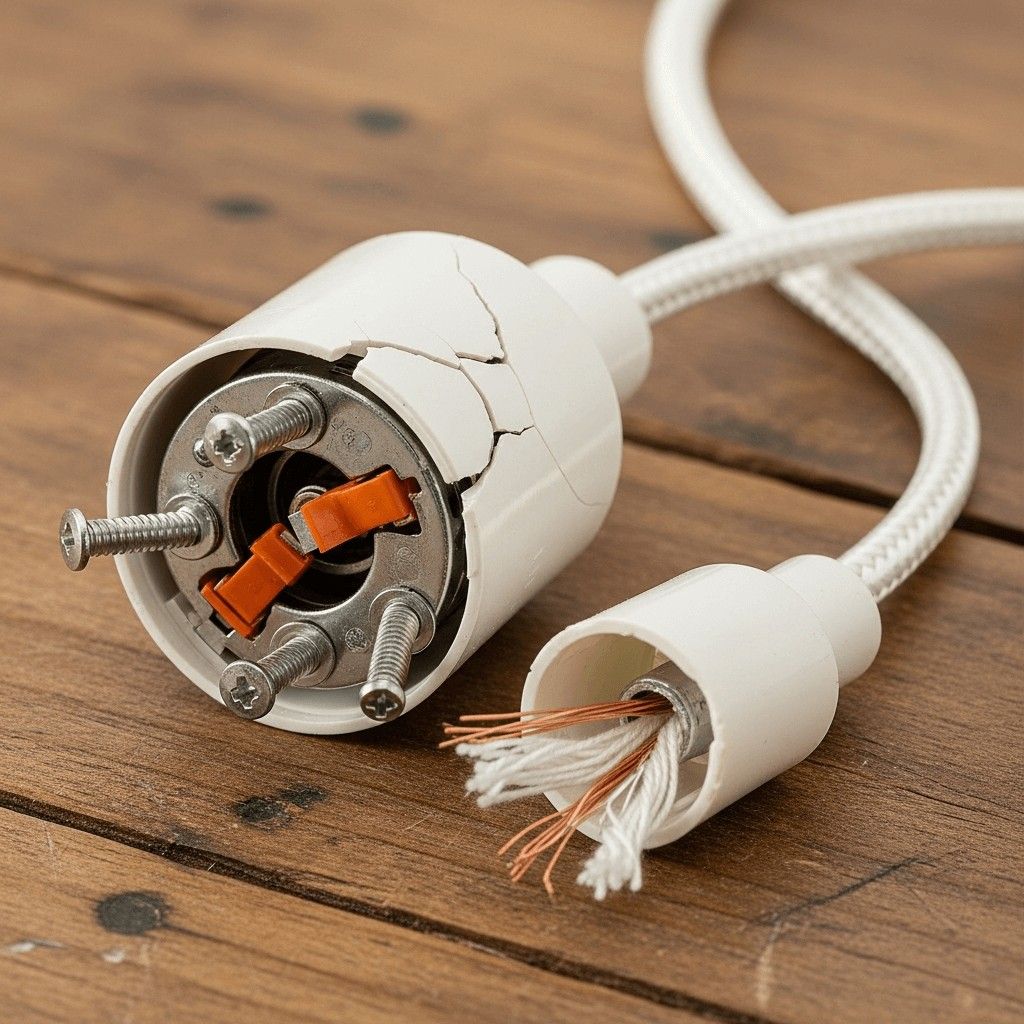
Quick Answer: To fix a pull cord light switch, turn off the power at the mains, unscrew the switch cover, check if the cord mechanism or internal contacts are damaged, and replace the faulty part. Most pull cord failures in Christchurch bathrooms are caused by worn cord mechanisms or corroded contacts — a full switch replacement typically costs $80–$150 installed by a licensed electrician.
I’m Ben from BT Electrical Solutions, a licensed electrician based in Christchurch. Over the years I’ve replaced and repaired more pull cord light switches than I can count — mostly in bathrooms, ensuites, and older homes around Canterbury. Pull cord switches are one of those things that work perfectly for years until they don’t, and when they fail it’s usually at the worst time.
In this guide I’ll walk you through how to diagnose and fix common pull cord switch problems, what tools you’ll need, when it’s a straightforward DIY job, and when you genuinely need to call an electrician.
What’s in This Guide
- Common Pull Cord Switch Problems
- Tools and Materials Needed
- Step-by-Step Repair Guide
- Troubleshooting Common Scenarios
- NZ Bathroom Electrical Zones
- Pull Cord Switch Replacement Cost NZ
- Where to Buy Pull Cord Switches in NZ
- When to Call an Electrician
- Maintenance Tips
- Why Choose BT Electrical Solutions
- Frequently Asked Questions
Common Pull Cord Switch Problems
From my experience working across Christchurch, here are the most common reasons pull cord light switches fail:
- Snapped or frayed cord — The most common issue. The cord wears through from daily use, especially in busy family bathrooms. You’ll notice it getting harder to pull before it eventually snaps.
- Switch won’t stay on or off — This means the internal toggle mechanism has worn out. The spring-loaded contact inside the switch body no longer locks into position. Replacement is the only fix.
- Light flickers when cord is pulled — Usually caused by loose wire connections inside the switch, or corroded terminal screws. This is common in older Christchurch homes, particularly those built before the 2011 earthquakes.
- Cord pulls but nothing happens — The cord has disconnected from the switch mechanism internally. Sometimes the cord anchor breaks off inside the housing.
- Burning smell or discolouration — This is serious. If you notice any scorching around the switch, do not attempt a DIY repair. Turn off the power immediately and call a licensed electrician.

Tools and Materials Needed
If you’re doing a straightforward cord replacement or like-for-like switch swap, here’s what you’ll need:
Basic Tools
- Flat-head and Phillips-head screwdrivers
- Wire strippers
- Non-contact voltage tester (essential — don’t skip this)
- Torch or headlamp (bathroom ceiling work is always awkward)
Materials
- Replacement pull cord switch (available from Mitre 10 or Bunnings — I recommend the Schneider or HPM brands for reliability)
- Replacement pull cord if the existing cord has snapped
- Electrical tape
- Cable connectors if the existing wiring is in poor condition
Safety Equipment
- Insulated gloves
- Safety glasses
- A sturdy step ladder — never stand on the edge of a bath

Step-by-Step Guide to Repair a Pull Cord Light Switch
Step 1: Turn Off the Power
Go to your switchboard and turn off the circuit that feeds the bathroom or room with the pull cord switch. In most Christchurch homes, this will be labelled “Lights” or “Bathroom.” Use your non-contact voltage tester on the switch to confirm there’s no live current. I’ve seen people assume flicking the wall switch is enough — it’s not. Always isolate at the switchboard.
Step 2: Remove the Switch Cover
Unscrew the switch housing from the ceiling. Most pull cord switches have two screws holding the faceplate to the backplate. Once removed, you’ll see the wiring connections — typically two or three wires connected to terminal screws. Take a photo of the wiring before you disconnect anything. I always do this, even after years of doing it daily. It takes two seconds and saves a lot of head-scratching.
Step 3: Diagnose the Problem
Now you can see what’s actually wrong:
- Cord snapped inside? You may be able to rethread a new cord through the mechanism without replacing the whole switch.
- Toggle mechanism broken? The switch body needs replacing. Loosen the terminal screws and disconnect the wires.
- Loose wires? Tighten the terminal screws. If the wire ends are corroded or damaged, strip back a few millimetres of fresh copper and reconnect.
Step 4: Install the New Switch
Connect the wires to your new switch, matching the configuration from your photo. Live (brown or red) and switched live (blue with brown sleeve, or black) go to their respective terminals. Earth (green/yellow) connects to the earth terminal. Ensure each wire is firmly seated under its terminal screw with no exposed copper visible outside the terminal.
Step 5: Test Your Work
Screw the switch back to the ceiling, restore power at the switchboard, and test by pulling the cord. The light should turn on and off cleanly with each pull. If it flickers, buzzes, or doesn’t work, turn the power off again and double-check your connections.
Troubleshooting Common Scenarios
Before you pull the switch apart, run through these quick checks based on the exact symptom you’re seeing:
Switch Clicks But Light Won’t Turn On
- Check the bulb first — swap in a known working bulb before assuming the switch is faulty
- Check the circuit breaker — the RCD or MCB for the lighting circuit may have tripped at the switchboard
- Worn internal contacts — the mechanism clicks because it’s mechanically fine, but the electrical contacts inside have oxidised or worn flat. The switch needs replacing
- Loose terminal connections — open the switch and check the wires are firmly seated. Bathroom humidity corrodes terminals over time
Cord Snapped Inside the Housing
If the cord broke at or inside the switch mechanism rather than along its length, the internal mechanism is likely compromised — the stiffness that caused the cord to snap suggests worn components. In this case, replace the entire switch rather than trying to rethread a new cord through a failing mechanism.
If you can see the cord remnant inside, you can try pulling it out with needle-nose pliers and threading a new cord. Use a figure-eight knot to secure it — small overhand knots tend to slip through the guide hole.
Cord Feels Stiff or Sticky
Bathroom humidity causes the cord to absorb moisture and swell, or internal grease to gum up. Try cleaning the cord with a damp cloth. If the mechanism itself feels gritty or stiff when you pull, the internal spring is likely corroded. Replace the switch before the cord snaps under the extra force.
Light Buzzes or Hums When On
This is usually a bulb or transformer issue rather than the pull cord switch. Try a different LED bulb — cheap LEDs with incompatible drivers buzz in some circuits. If the buzzing comes from the switch itself, the contacts may be arcing (sparking) due to poor contact, which means the switch needs replacing urgently.
NZ Bathroom Electrical Zones
Understanding where you can and can’t place electrical fittings in a bathroom is important context for pull cord switches. Under AS/NZS 3000:2018 (the Wiring Rules), bathrooms are divided into zones:
| Zone | Area | What’s Allowed |
|---|---|---|
| Zone 0 | Inside bath/shower tray | Nothing except 12V waterproof lights (IPX7) |
| Zone 1 | Above bath/shower to 2.25m height | No switches or sockets. Water-resistant lights (IPX4+) only |
| Zone 2 | 60cm around bath/shower edge | Shaver sockets with isolation. Pull cord switches on ceiling. IPX4+ rated fittings |
| Outside zones | Rest of bathroom | Standard switches and sockets (with RCD protection on the circuit) |
Pull cord switches work in bathrooms because the switch mechanism is on the ceiling — away from the splash zones — while the cord hangs down for access. This is why they remain a practical choice in NZ bathrooms, though alternatives like a wall switch mounted outside the bathroom door are equally common.
All bathroom circuits in NZ must have RCD protection — a safety switch that cuts power in milliseconds if it detects an earth fault.
Pull Cord Light Switch Replacement Cost NZ
Here’s what you can expect to pay in Christchurch and wider Canterbury in 2026:
| Service | Typical Cost (incl. GST) |
|---|---|
| Replacement pull cord switch (parts only) | $15–$35 |
| Electrician call-out + installation | $80–$150 |
| Switch replacement with wiring repair | $120–$200 |
| Full switch upgrade (e.g., to isolator switch) | $150–$250 |
These prices are based on what we typically charge at BT Electrical Solutions. Most straightforward pull cord replacements take 20–30 minutes once we’re on-site. If the existing wiring is in good condition, it’s a quick job.
Where to Buy Pull Cord Switches in NZ
Pull cord switches are stocked at all major NZ hardware retailers. HPM is the standard brand you’ll find on the shelf:
| Product | Retailer | Price (2026) |
|---|---|---|
| HPM Ceiling Switch with Pull Cord (White) | Bunnings NZ | $58.17 |
| HPM 1 Gang Ceiling Cord-Pull Rectangular (White) | Mitre 10 | ~$50–$60 |
| HPM Round Cord-Pull Ceiling Switch (73mm) | Mitre 10 | ~$50–$60 |
All rated at 10A, 240V AC — standard for residential lighting circuits. Both Bunnings and Mitre 10 offer Click & Collect if you want to grab one before your electrician arrives. Replacement pull cords are also sold separately if only the cord has failed.
When to Call an Electrician
I’ll be honest — not every pull cord switch issue is a DIY job. Here’s when you should stop and call a professional:
- Any sign of burning, scorching, or melting around the switch. This could indicate an overloaded circuit or faulty wiring behind the ceiling.
- The switch is in a bathroom with no earth wire. Older Christchurch homes (pre-1980s) sometimes lack proper earthing in wet areas. This is a safety hazard that requires professional assessment.
- You’re not confident identifying live, neutral, and earth wires. Getting these wrong can be fatal. There’s no shame in calling a pro.
- The wiring behind the switch looks damaged, discoloured, or uses old rubber-insulated cable. This is common in pre-earthquake Christchurch homes and often means a wider rewiring job is needed.
- The circuit breaker trips when you restore power. This indicates a short circuit or earth fault that needs proper fault-finding equipment to diagnose.
- NZ regulations require it. Under the Electricity (Safety) Regulations 2010, any prescribed electrical work must be done by a licensed electrician. Simple like-for-like replacements of a pull cord switch are generally allowed as DIY, but anything involving new wiring or circuit modifications is not.
If any of these apply, get in touch with us — we’re based in Christchurch and can usually get to you within 24 hours.
Maintenance Tips
A little preventive care extends the life of your pull cord switch significantly:
- Pull smoothly, not sharply. Yanking the cord puts stress on the internal mechanism and the cord anchor point. A firm, steady pull is all that’s needed.
- Wipe the cord monthly. Bathroom cords absorb moisture and soap residue. A quick wipe with a damp cloth prevents the cord from stiffening and fraying.
- Replace the cord every 5–7 years in a frequently used bathroom — before it snaps and potentially damages the mechanism.
- Listen for changes. A healthy switch makes a clean, decisive click. If the click becomes soft, mushy, or requires multiple pulls, the internal contacts are wearing out.
- Check for discolouration. Yellowing or brown marks around the switch plate indicate heat buildup from poor connections. This needs professional attention.
Why Choose BT Electrical Solutions
We’re a locally owned electrical business based right here in Christchurch. When you call us for a pull cord switch repair, here’s what you get:
- Licensed and experienced — All our electricians are registered with the Electrical Workers Registration Board.
- Fair pricing — We quote upfront with no hidden call-out fees for standard Christchurch jobs.
- We know Canterbury homes — From 1960s weatherboard villas to post-earthquake rebuilds, we’ve worked on them all. We understand the specific wiring challenges of Christchurch properties, from switch repairs to LED lighting installations.
- Quick turnaround — Most residential electrical repairs in Christchurch are completed same-day.
Frequently Asked Questions
How do I know if my pull cord light switch is faulty?
The most common signs are: the cord feels loose or doesn’t “click” when pulled, the light flickers, the light won’t turn on or off, or the cord has visibly frayed. If you notice any burning smell or discolouration around the switch, turn off the power immediately and call an electrician.
Can I replace a pull cord light switch myself in NZ?
Yes, a straightforward like-for-like replacement of a pull cord switch is generally considered permitted DIY work under NZ regulations. However, any work that involves altering circuits, running new cable, or working on a switchboard must be done by a licensed electrician.
Why won’t my pull cord light switch turn off?
This usually means the internal toggle mechanism is stuck or broken. The spring-loaded contact that alternates between on and off positions has failed. In most cases, the entire switch body needs to be replaced — it’s not economical to repair the internal mechanism.
How much does it cost to get an electrician to replace a pull cord switch in Christchurch?
A licensed electrician in Christchurch will typically charge $80–$150 including GST for a standard pull cord switch replacement. This includes the call-out, the switch itself, and installation. If additional wiring work is needed, expect $120–$200.
How long do pull cord light switches last?
A quality pull cord switch should last 8–15 years with normal bathroom use. Cheaper switches may fail sooner. The cord itself tends to wear out faster than the switch mechanism — I’d recommend replacing the cord every 5–7 years in a frequently used bathroom as preventive maintenance.
Are pull cord switches required in NZ bathrooms?
Pull cord switches aren’t strictly required, but they’re a common and practical choice for NZ bathrooms. The key requirement under AS/NZS 3000 wiring rules is that light switches in bathrooms must be positioned outside the zones where water contact is likely, or use a pull cord mechanism. Many Christchurch homes still have them as standard.
What brand of pull cord switch is best?
From my experience, Schneider Electric and HPM switches offer the best reliability. They’re widely available at Mitre 10 and Bunnings in Christchurch. Avoid the cheapest no-name options — the difference in quality is noticeable and they tend to fail within a couple of years.
Should I repair or replace a faulty pull cord switch?
In most cases, replacement is better than repair. A new pull cord switch costs $15–$35, and the time spent trying to repair a worn mechanism usually isn’t worth it. The exception is if only the cord itself has snapped — that’s an easy fix without replacing the whole switch.