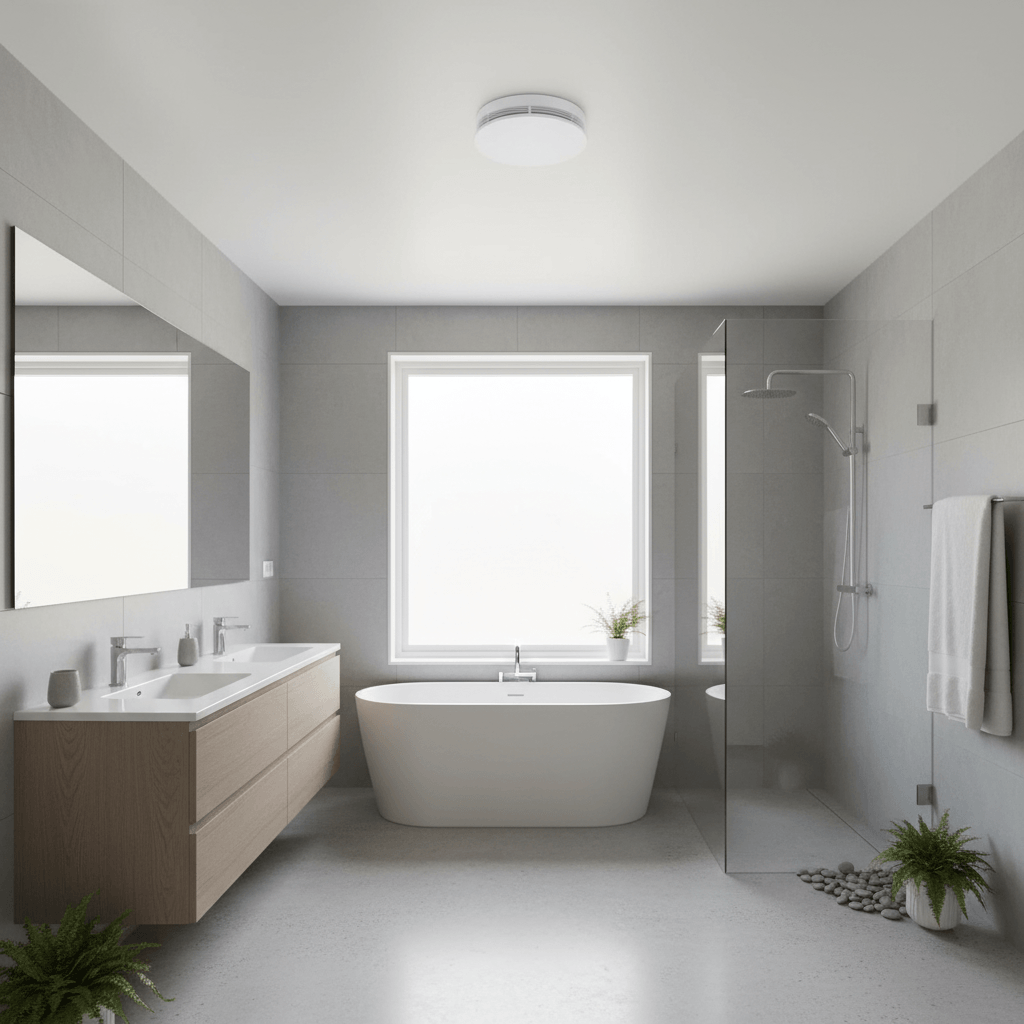
Quick Answer: Condensation on mirrors, mould on ceilings, peeling paint, musty smells, and a bathroom that stays damp long after showering are all signs of inadequate ventilation. A properly installed extractor fan is the most effective solution for Christchurch homes.
What’s in This Guide
- 7 Warning Signs of Poor Bathroom Ventilation
- Health and Property Risks
- Ventilation Solutions
- Why Choose BT Electrical Solutions
- FAQs
7 Signs Your Bathroom Needs Better Ventilation
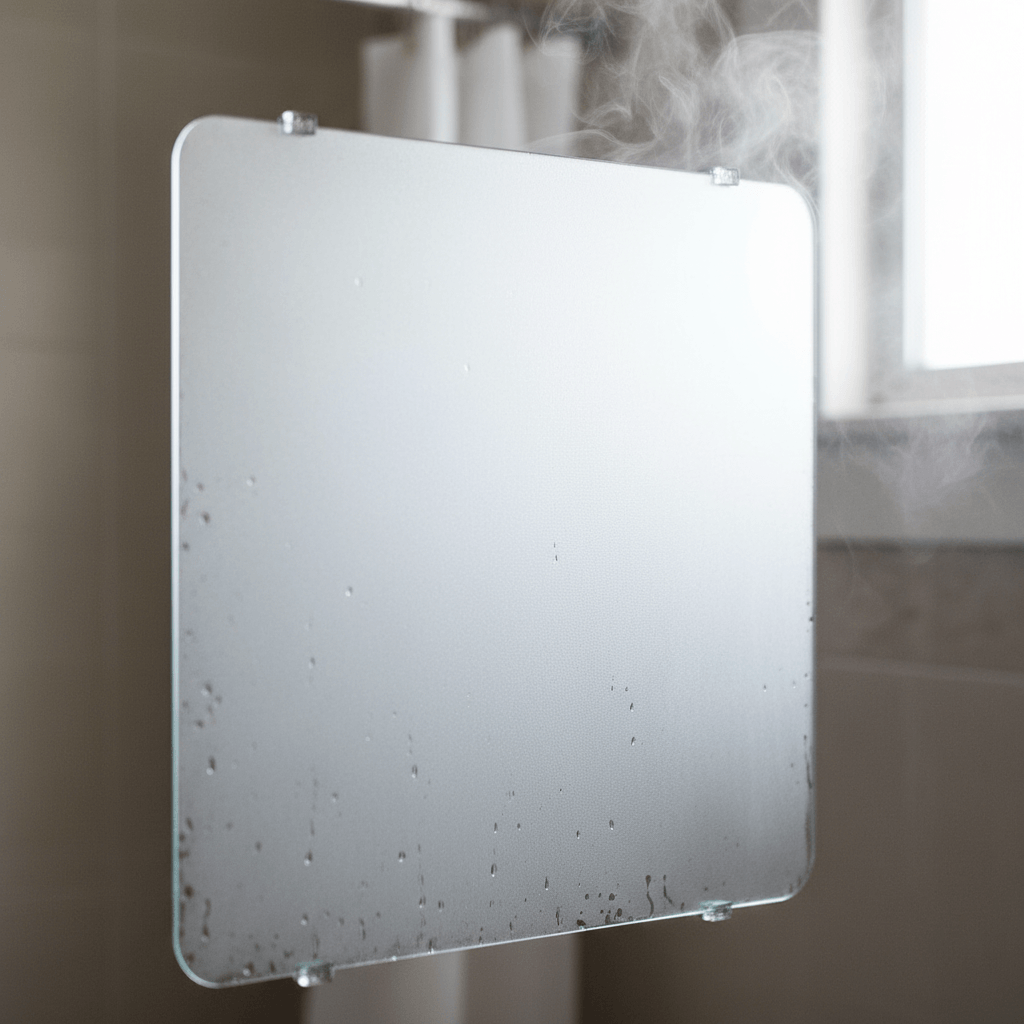
1. Persistent Condensation on Mirrors and Windows
If your bathroom mirror stays fogged up for more than 10-15 minutes after a shower, it means moisture is not being extracted effectively. While some condensation is normal, persistent fogging indicates the air is not circulating properly.
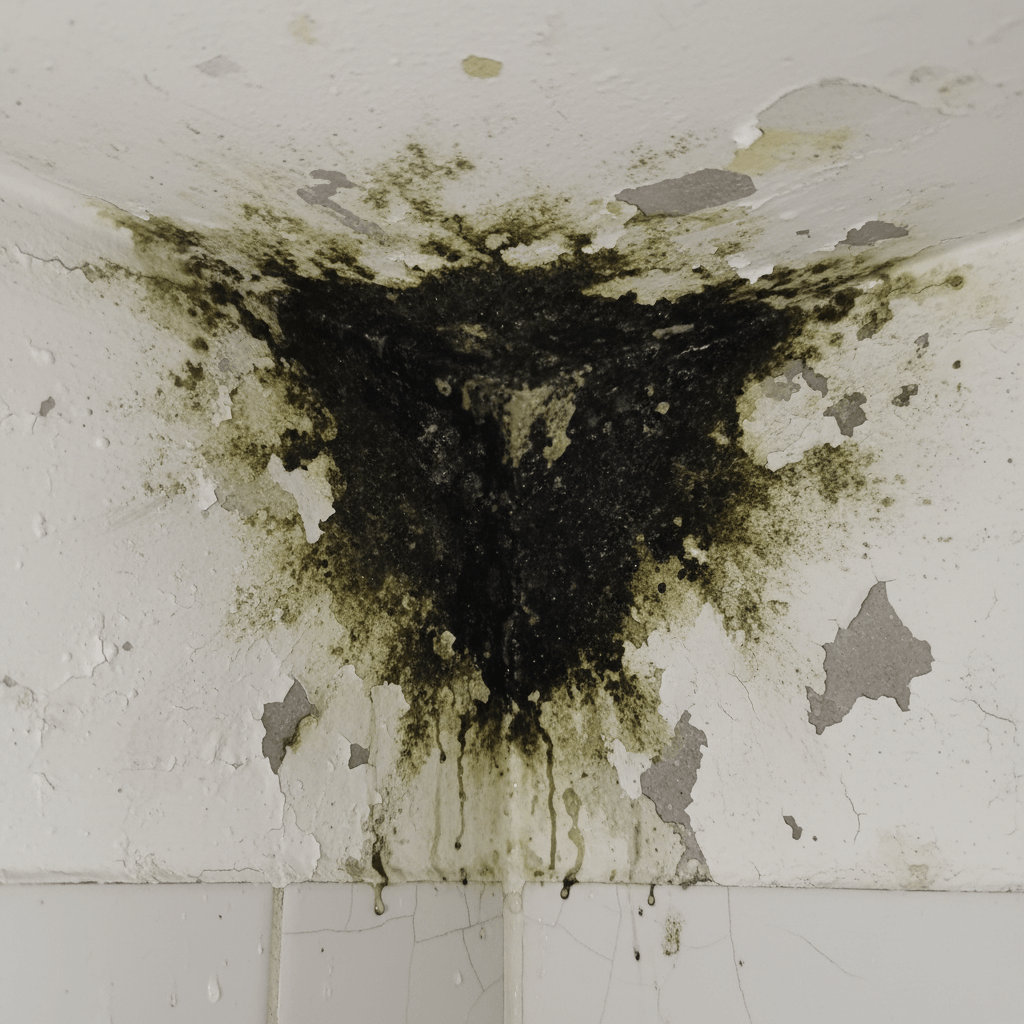
2. Mould or Mildew on Walls and Ceiling
Black or green mould spots, especially in corners where the ceiling meets the walls, are a clear sign that moisture is building up faster than it can escape. Mould thrives in warm, humid environments and poor bathroom ventilation creates the perfect conditions for it to grow.
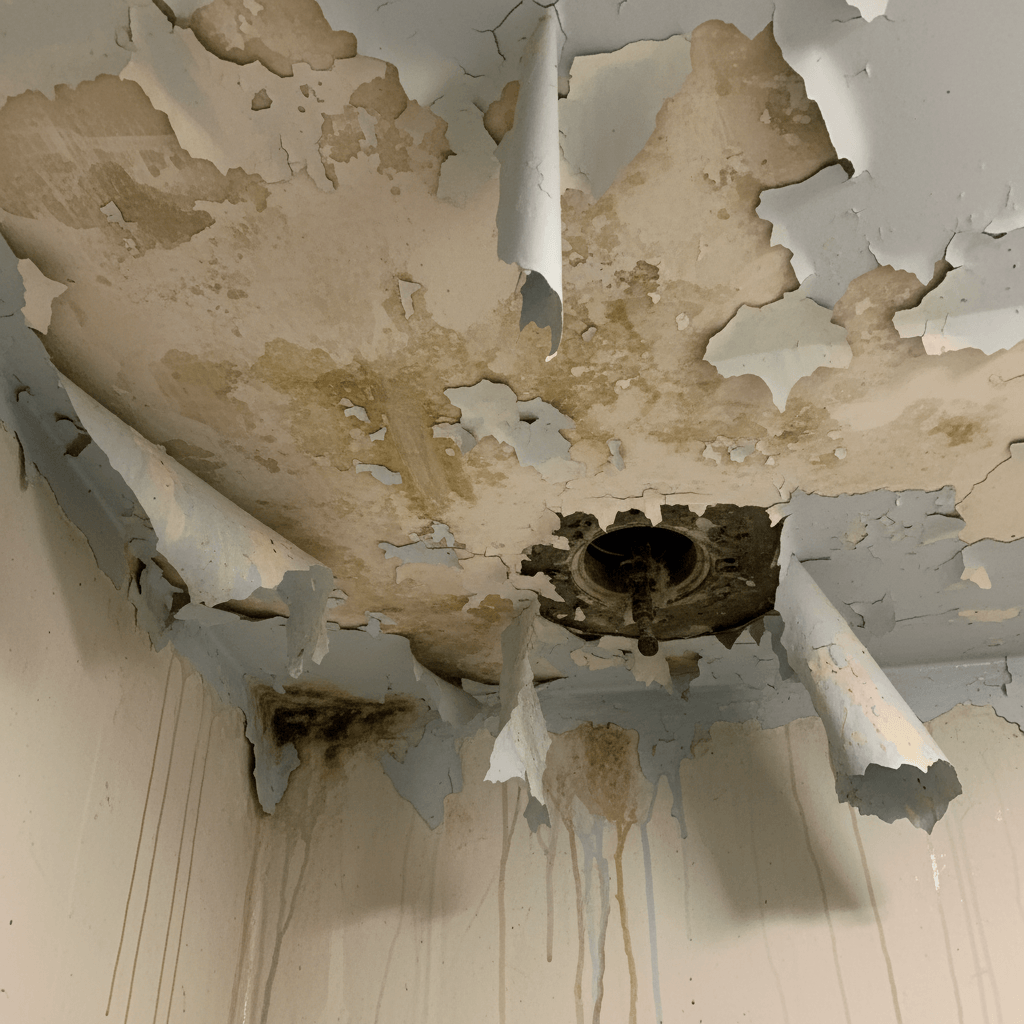
3. Peeling or Bubbling Paint
When moisture repeatedly settles on painted surfaces, the paint eventually loses adhesion and starts to peel, bubble, or flake. If your bathroom ceiling or walls are showing paint damage, trapped moisture from poor ventilation is almost certainly the cause.
4. Musty or Damp Smell
A persistent musty smell in your bathroom that does not go away with cleaning usually indicates hidden mould or mildew behind walls, under flooring, or in the ceiling cavity. This is caused by long-term moisture exposure from inadequate extraction.
5. Bathroom Stays Damp for Hours
After a shower, a well-ventilated bathroom should dry out within 30-60 minutes. If surfaces, towels, and the air still feel damp hours later, the moisture has nowhere to go. This is especially common in internal bathrooms with no window.
6. Rust on Metal Fixtures
Excessive moisture in the air accelerates corrosion on metal fittings including towel rails, cabinet hinges, light fittings, and even door handles. If you notice rust or discolouration on bathroom metal fixtures, high humidity from poor ventilation is the likely cause.
7. Timber Damage Around Windows or Door Frames
Wooden window frames, skirting boards, and door frames that are swelling, warping, or showing signs of rot indicate prolonged moisture exposure. In Christchurch’s climate, where many homes have timber framing, this can lead to serious structural issues if left untreated.
Why Poor Bathroom Ventilation Is a Problem
| Risk | Impact |
|---|---|
| Mould growth | Respiratory issues, allergies, asthma triggers |
| Structural timber damage | Rot, swelling, costly repairs |
| Paint and surface damage | Peeling, staining, frequent repainting needed |
| Fixture corrosion | Premature replacement of metal fittings |
| Reduced property value | Visible mould and damage deter buyers |
| Healthy Homes non-compliance | Rental properties may fail ventilation standards |
How to Fix Poor Bathroom Ventilation
Install or Upgrade Your Extractor Fan
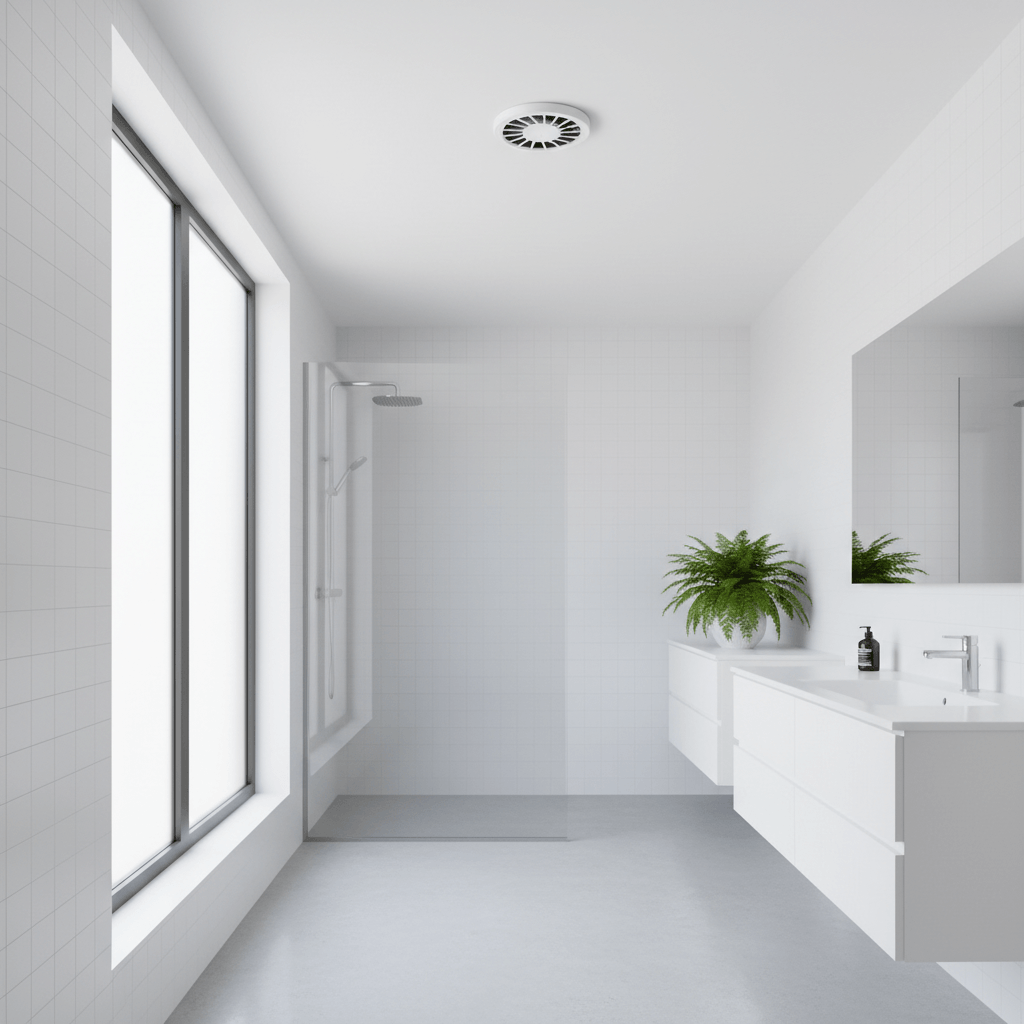
The most effective solution is a properly sized and ducted extractor fan. A qualified electrician can assess your bathroom, recommend the right fan, and install it with ducting to the outside so moisture is extracted from your home rather than just moved into the ceiling cavity.
Add a Timer or Humidity Sensor
A run-on timer ensures the fan continues running for 10-20 minutes after you leave the bathroom, clearing remaining moisture. Humidity-sensing fans activate automatically when moisture levels rise, providing hands-free ventilation.
Check Existing Ducting
If you already have an extractor fan but still have ventilation problems, the ducting may be blocked, kinked, or venting into the ceiling cavity instead of outside. A professional inspection can identify and fix these issues.
Why Choose BT Electrical Solutions
If you have noticed any of these warning signs, our team can help. BT Electrical Solutions provides professional bathroom ventilation installation across Christchurch and Canterbury. We assess your bathroom, recommend the right solution, and complete the full installation including wiring, ducting, and testing.
As a local, family-run electrical business, we provide honest advice, upfront pricing, and quality workmanship backed by our 12-month guarantee.
Frequently Asked Questions
Is bathroom mould dangerous?
Yes. Mould spores can trigger respiratory issues, allergies, and asthma, particularly in children, elderly people, and those with existing health conditions. Removing the moisture source with proper ventilation is the most effective long-term solution.
Can opening a window replace an extractor fan?
A window helps but is not as effective as a dedicated extractor fan, especially during winter when you are unlikely to leave a window open. An extractor fan provides consistent, controlled extraction regardless of weather or season.
Do rental properties need bathroom ventilation?
Under New Zealand’s Healthy Homes Standards, rental properties must have adequate ventilation in bathrooms. An extractor fan vented to the outside is the most reliable way to meet these requirements.
How much does it cost to fix poor bathroom ventilation?
A new extractor fan installation typically costs $250-$800 in New Zealand depending on the fan type and ducting requirements. This is a small investment compared to the cost of repairing mould damage, repainting, or replacing rotted timber.