To remove a ceiling fan safely, first isolate power at the switchboard, then follow step-by-step procedures ensuring compliance with NZ wiring laws.
- Introduction
- Tools and Preparations
- Step-by-Step Ceiling Fan Removal Process
- Why Choose BT Electrical Solutions for Ceiling Fan Removal in Christchurch
- Frequently Asked Questions
- Can I remove a ceiling fan myself?
- What tools do I need to remove a ceiling fan?
- Do I need to turn off the power when removing a ceiling fan?
- Are there legal implications for DIY electrical work in Christchurch?
- How can I safely dispose of an old ceiling fan?
- Why is a licensed electrician recommended for ceiling fan removal?
- What are some safety tips for DIY ceiling fan removal?
- Can I reuse the old ceiling fan parts?
Removing a ceiling fan requires careful attention to safety and legal compliance, particularly within New Zealand’s stringent electrical regulations. Whether you’re updating your home’s fixtures or simply replacing an outdated fan, adhering to the correct procedures is crucial to avoid hazards and ensure proper installation. The process involves isolating the power at the switchboard, confirming the power status with a tester, and systematically disassembling components such as the light kit, fan blades, and main body. BT Electrical Solutions in Christchurch offers valuable insights into this common household task.
Compliance and Safety in New Zealand
Given New Zealand’s strict wiring laws, many homeowners in Christchurch are advised to employ a licensed electrician when engaging in tasks beyond minor electrical repairs. New Zealand legislation significantly limits DIY activities involving fixed wiring, as improper handling can lead to grievous regulatory violations and potential insurance implications. Thus, the prudent course for most situations is to undertake professional assistance, especially where the wiring or mounting strength is uncertain.
Standard Procedure for Removal
The standard steps to remove a ceiling fan effectively incorporate several key actions. Initially, turning off the power supply at the switchboard is paramount to ensure electrical safety. Utilizing a voltage tester to confirm that all circuits are inactive furthers this safety protocol. Once the power is securely isolated, dismantling the fan can proceed by removing the light kit and fan blades, followed by the detached wiring and dismounting of the fan body and bracket.
In Christchurch’s older homes, where installation variances may exist, additional precautions are advisable. The age of construction adds complexities that seasoned professionals from BT Electrical Solutions are equipped to handle, ensuring the full security of your electrical system during removal. The importance of assessing structural integrity and avoiding fall risks cannot be overstated, particularly when considering the unpredictable nature of older mounts.
Tools and Preparations
Removing a ceiling fan in New Zealand is a task that requires careful preparation and the right set of tools to ensure both safety and efficiency. As highlighted in our introduction, while the removal process can be straightforward, it is crucial to adhere to local safety standards and regulations. Before starting the process, having a checklist of necessary tools and a safety plan will facilitate a smooth operation.
Essential Tools and Equipment
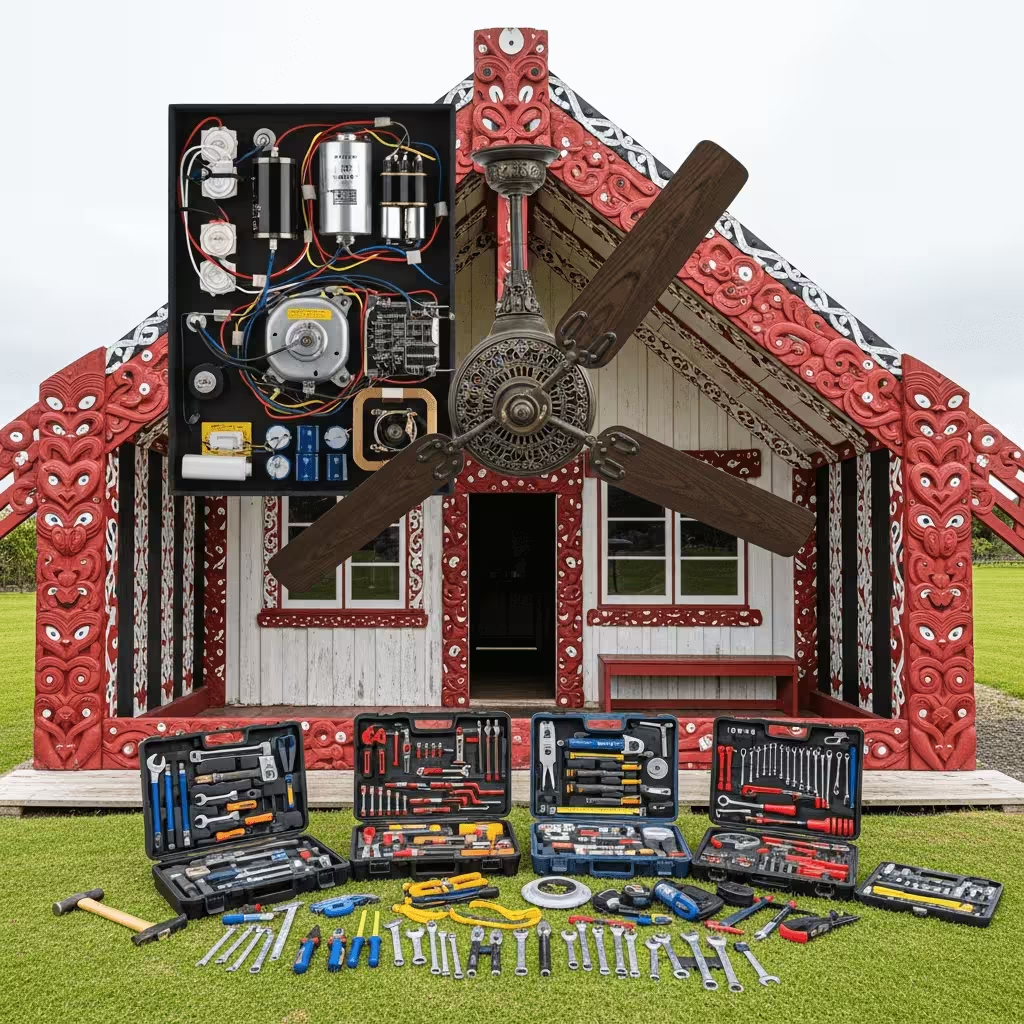
To successfully remove a ceiling fan, you will need several essential tools. These typically include a robust step ladder for safe access to the fan, a screwdriver set (usually Phillips and flathead), and a voltage tester to ensure all electrical circuits are inactive before proceeding. A digital multimeter is also handy to verify that the power supply is entirely disconnected, minimising electrical hazards. Additionally, having a pair of pliers and wire nuts will aid in managing the electrical connections securely. It is advisable to wear safety goggles and gloves for protection against dust and minor debris during the removal process. Ensuring these tools and equipment are on hand will streamline your efforts and help avoid unnecessary interruptions.
Preliminary Safety Checks
Conducting preliminary safety checks is a critical step in the fan removal process. Begin by turning off the circuit breaker that powers the ceiling fan. Use your voltage tester to confirm that the power is off by testing the fan\’s switch and making sure it does not activate. Double-check that the ladder is stable before ascending to prevent potential falls. Inspect the fan for any signs of wear and tear or previous damages that could pose risks during removal. Taking these precautions is crucial not only for compliance with New Zealand\’s electrical safety standards but also for preventing accidents. Consider consulting with a Christchurch-based electrician from BT Electrical Solutions if any aspect of the preparation seems uncertain, as professional guidance ensures adherence to best practices and regulations.
Step-by-Step Ceiling Fan Removal Process
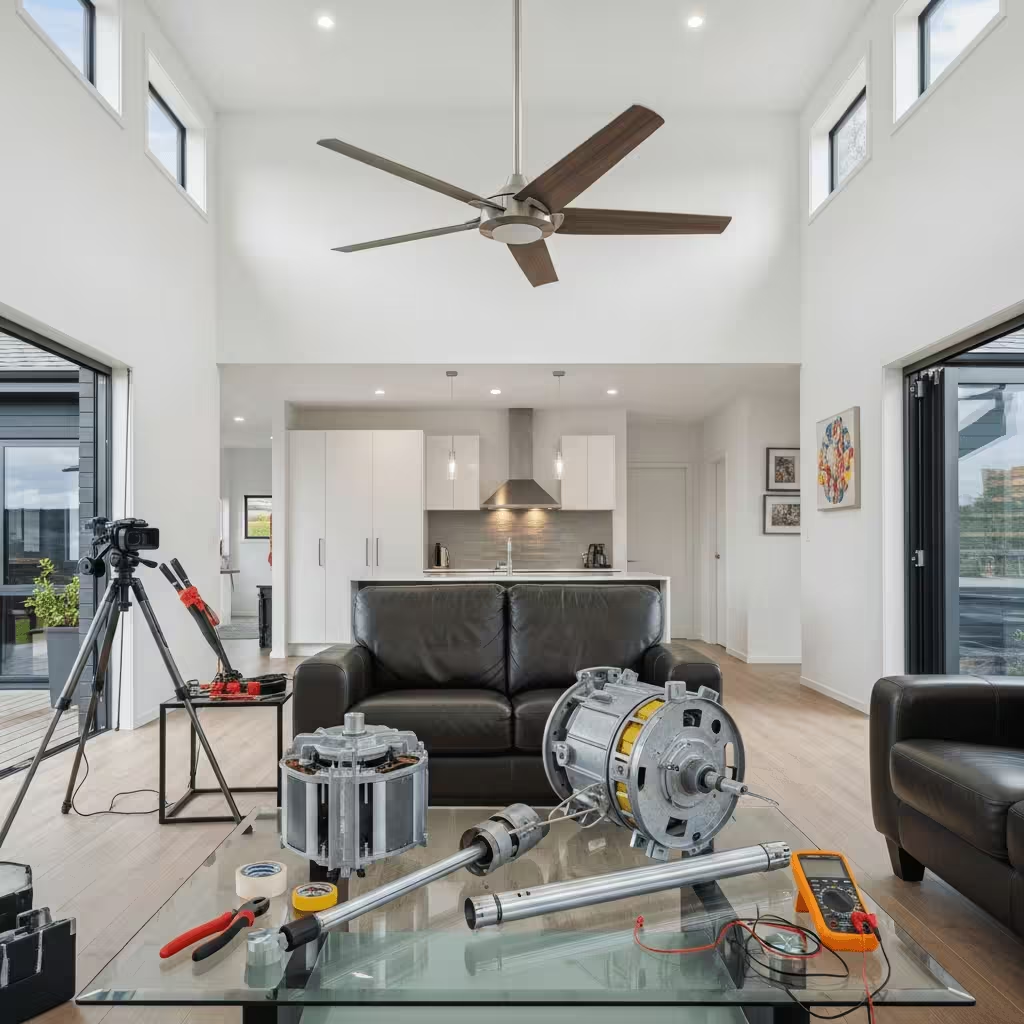
Removing a ceiling fan may seem daunting, but with methodical steps and the right precautions, it can be achieved safely and efficiently. This section will provide a detailed guide on executing this task, ensuring proper procedures are followed to avoid any potential hazards. Following the tools and preparations outlined earlier, you are now ready to proceed with the fan removal.
Turn Off the Power
Before initiating any disconnection, the most crucial step is to ensure electrical safety by turning off the power. Locate the relevant circuit breaker that supplies electricity to the ceiling fan and switch it off. It is advisable to mark the breaker as “off” to prevent anyone from inadvertently turning it back on. Confirm the power is off by using a voltage tester on the fan’s wiring. Safety protocols must always take precedence to reduce risks of electric shock.
Remove the Blades
After the power is securely off, proceed to remove the fan blades. Typically, the blades are affixed with screws to the motor housing. Use a screwdriver to carefully unscrew these fastenings while ensuring the blades are adequately supported to prevent sudden fall. Organise the screws and blades, as proper handling will aid in potential reuse or disposal. This step simplifies the rest of the process by reducing bulk and complexity.
Detach the Fan Housing
With the blades removed, access to the motor housing is now unimpeded. Check for any mounting screws or a bracket that may be holding the housing to the ceiling. Usually, the motor housing is connected via a centralized mounting bracket and potentially with downrod screws. Support the motor assembly as you detach it to avoid putting strain on the wiring. Unfasten the screws cautiously, keeping them safe for reuse or recycling.
Disconnect the Wiring
Once the fan housing is detached, it is essential to safely disconnect the wiring. Before disconnection, take note of the wiring connections for future reference noted on a piece of paper or using your smartphone. Generally, you will find wire nuts that need to be unscrewed to release the wires. Carefully separate the wires while preventing them from touching each other or any other conductive material. Secure loose wires with wire nuts to avert electrical hazards.
Remove the Mounting Bracket
The final step in the removal process involves taking down the ceiling mounting bracket. Inspect how the bracket is fixed, usually with screws or bolts, and gradually loosen them. While doing so, ensure the area is clear of any obstacles that could get in the way. After removing this bracket, double-check that all parts are disassembled and stored safely. Your ceiling space is now prepared for a new fixture or refurbishment.
After following these meticulous procedures, you can have peace of mind about achieving a safe and efficient ceiling fan removal. Should you face any complications, consulting with a professional electrician is highly recommended to ensure compliance with local electrical standards.
Transitioning into our next section, “Why Choose BT Electrical Solutions for Ceiling Fan Removal in Christchurch,” we will outline why our expertise and dedication to safety make us the ideal choice for handling such installations and removals.
Why Choose BT Electrical Solutions for Ceiling Fan Removal in Christchurch
When it comes to how to remove a ceiling fan, the intricacies involved often call for professional expertise. BT Electrical Solutions stands out as a trusted provider in this realm, offering unparalleled skill and local knowledge within Christchurch, New Zealand. Our commitment to safety, compliance, and customer satisfaction makes us the ideal partner for your ceiling fan removal needs.
Experienced Local Experts
Our team at BT Electrical Solutions boasts extensive experience in electrical services, ensuring that every ceiling fan removal is performed with precision and care. Based in Christchurch, our electricians are not only well-versed in the technical aspects but also familiar with local regulations and standards. Choosing our expert electrician in Christchurch, New Zealand, means entrusting your project to knowledgeable professionals who prioritise both safety and efficiency. This local expertise ensures compliance and peace of mind for all our clients.
What Sets Us Apart
BT Electrical Solutions prides itself on its exceptional customer service and attention to detail. We understand that every client has unique needs, which is why we offer personalised assessments and recommendations. Our team is dedicated to providing clear communication and transparent pricing, eliminating any uncertainties from the process. Additionally, our reliability and timeliness mean your needs are met promptly, and your space is left immaculate post-service.
For those considering new additions, our ceiling fan installation service for Christchurch homes is also available.
With numerous positive reviews and a stellar reputation in the Christchurch community, our clients frequently commend us for our professionalism and courteous service. These qualities, coupled with our technical acumen, position us as a leader in the industry.
In conclusion, choosing BT Electrical Solutions ensures a smooth and hassle-free ceiling fan removal process, backed by expertise and a commitment to excellence. In the next section, ‘Frequently Asked Questions’, we will address the common queries and concerns related to how to safely and effectively remove a ceiling fan, further supporting your decision-making with clarity and confidence.
Frequently Asked Questions
Can I remove a ceiling fan myself?
While it is possible to remove a ceiling fan yourself, it’s important to understand the legal requirements and safety precautions specific to New Zealand. Due to stringent wiring laws, using a licensed electrician is often recommended for compliance and safety, particularly with fixed wiring tasks.
What tools do I need to remove a ceiling fan?
To safely remove a ceiling fan, you’ll need a screwdriver, voltage tester, ladder, and potentially pliers. It’s also critical to have safety gear, such as gloves and goggles, and to ensure all tools are suitable for electrical work.
Do I need to turn off the power when removing a ceiling fan?
Yes, turning off the power at the switchboard is crucial before beginning the removal process. Use a voltage tester to confirm that the power is off to prevent any risk of electric shock.
Are there legal implications for DIY electrical work in Christchurch?
In Christchurch, as in the rest of New Zealand, there are legal implications for performing DIY electrical work. Any work involving fixed wiring must be conducted by or under the supervision of a licensed electrician to comply with regulations and ensure safety.
How can I safely dispose of an old ceiling fan?
To safely dispose of an old ceiling fan, consider recycling it at a local facility in Christchurch. Components like metal, plastic, and electronic parts should be disposed of according to local waste management guidelines.
Why is a licensed electrician recommended for ceiling fan removal?
A licensed electrician is recommended for ceiling fan removal to ensure all work meets safety and legal standards, particularly concerning fixed wiring. Their expertise can mitigate potential risks such as electrical shocks or falls, ensuring peace of mind.
What are some safety tips for DIY ceiling fan removal?
Focus on safety by ensuring the power is off, using proper tools, and wearing appropriate gear. Avoid doing the task alone if it’s your first time, and always ensure the ladder is stable before beginning.
Can I reuse the old ceiling fan parts?
Yes, many parts of an old ceiling fan can be reused, depending on their condition. Blades can be repurposed for DIY projects, and motor parts might be sold or used in repairs. However, ensure all parts are safely dismantled and not damaged during the initial removal.
Key Insights
Removing a ceiling fan in Christchurch typically involves switching off power at the switchboard, confirming the circuit is dead with an appropriate tester, clearing the work area, then sequentially removing light covers, lamps, blades, canopy, and finally disconnecting and supporting the fan body before detaching the mounting bracket, with all live electrical disconnection legally restricted to registered electricians under New Zealand regulations.[2] Recent DIY trends emphasise video-guided step sequences, but local guidance warns that in New Zealand only licensed electricians should alter fixed wiring, and homeowners are encouraged to use professionals for fan removal and replacement to comply with safety and insurance requirements.[3]