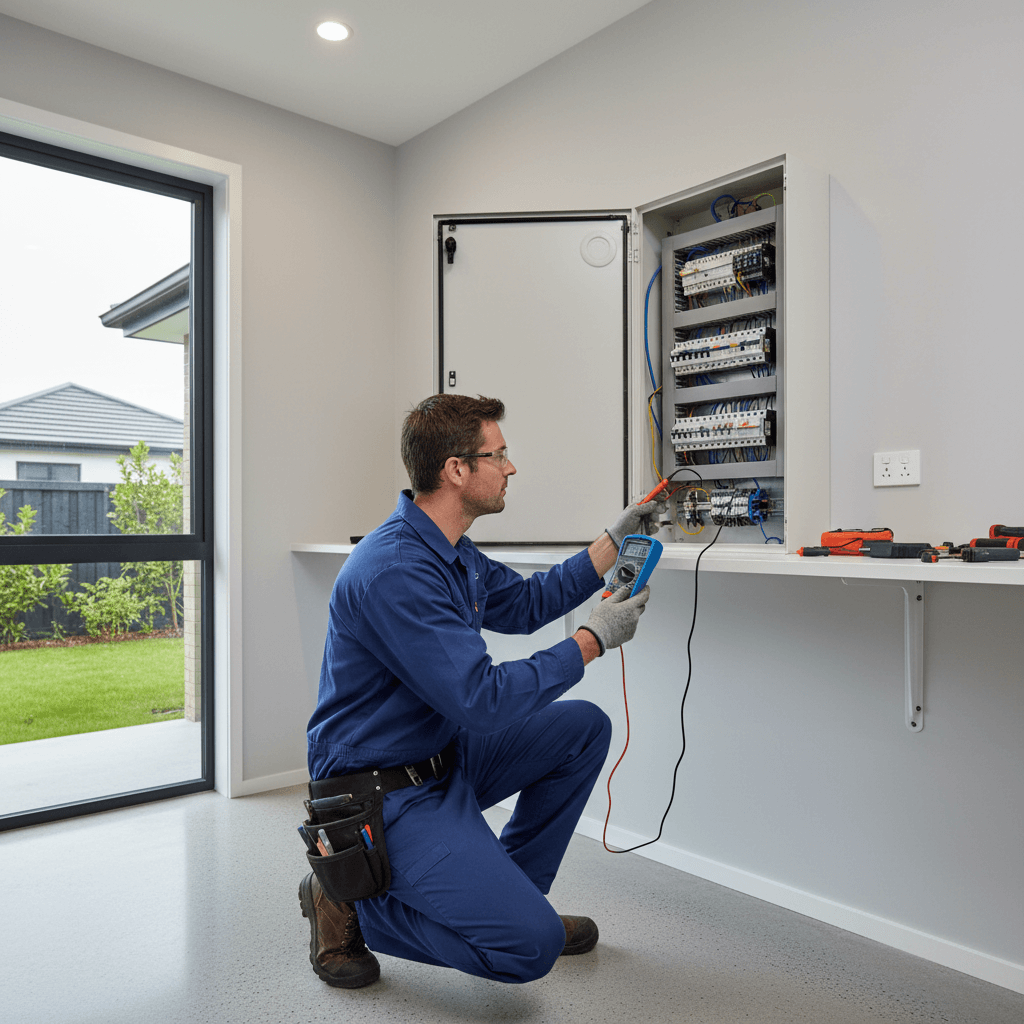
An electrical inspection Christchurch wide checks wiring, switchboards, earthing and outlets for safety and compliance. Expect a licensed inspector to spend 1–3 hours on-site, then issue a written record and, if work is compliant, an Electrical Safety Certificate.
Table of Contents
- Why Electrical Inspections Matter
- What Christchurch Inspectors Actually Check
- Documents You Need Before & After
- How to Pass First Time
- Why Choose BT Electrical Solutions
- FAQs
Why Electrical Inspections Matter in Christchurch
Christchurch’s mix of pre-1940s villas, 1970s brick-and-tile units and new builds means wiring quality varies dramatically. Earthquake repairs and renovation electrical work can hide non-compliant joins or overloaded circuits. A routine electrical testing Christchurch service spots these issues before they cause fires, shocks or expensive remediation.
Buyers: banks often require an Electrical Safety Certificate before settlement. Landlords: NZ tenancy law insists on safe electrical systems; failure can invalidate insurance. Homeowners: a clean inspection report lifts property value and proves due diligence.
What Christchurch Inspectors Actually Check
Inspectors follow the NZEIA checklist and WorkSafe templates. Below is the same framework our technicians use when clients book an electrical compliance Christchurch review.
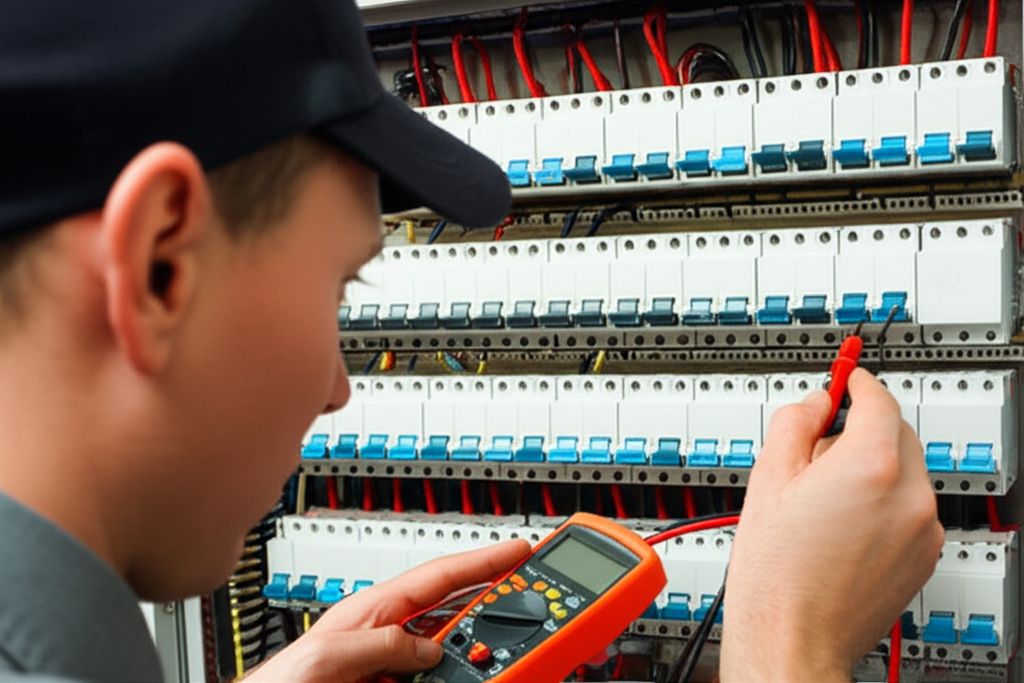
1. Switchboard & Earthing
- Correct rating and labelling of main switch, RCDs and circuit breakers
- Presence and condition of main earth conductor and electrode
- Sub-main cabling tightened and protected
- No double-lugging or burnt busbar sections
Inspectors will trip-test every RCD; 30 mA devices must disconnect within 300 ms.
2. Fixed Wiring & Accessories
- Cable insulation resistance ≥ 1 MΩ measured at 500 V DC
- No visible heat damage, UV degradation or vermin chew-marks
- Flush boxes secured, grommets fitted, no missing cover plates
- Kitchen, bathroom and outdoor outlets verified for IP rating and RCD protection
3. Outlets, Switches & Light Fittings
Each socket is polarity-tested and earthing continuity verified. Inspectors look for:
- Discolouration or buzzing (arcing signs)
- Loose terminals that can overheat
- Illegal DIY spur connections
4. High-Risk & Prescribed Electrical Work (PEW)
New stove circuits, hot-water cylinders, solar inverters and EV chargers are PEW. They need a Certificate of Compliance (CoC) plus an independent Electrical Safety Certificate once inspected.
Optional Add-Ons
Many owners bundle:
- Smoke-alarm hard-wiring check
- Security-camera power supply test
- Heat-pump isolator inspection
Ask your electrician about bundling these with your main inspection for convenience.
Documents You Need Before & After
Having the right paperwork speeds up the process and proves electrical compliance Christchurch standards are met.
| Document | When Required | Who Provides It |
|---|---|---|
| Certificate of Compliance (CoC) | After any new PEW | Electrician who did the work |
| Electrical Safety Certificate (ESC) | High-risk or new installation | Independent inspector |
| Certificate of Verification (COV) | Older homes without CoC | Registered inspector |
| Record of Inspection | Every inspection | Inspector on site |
Keep digital copies; lawyers and insurers request them at settlement time. You can also verify entries in the WorkSafe High-Risk Database using the property address. For a detailed breakdown of what these certificates cost in 2026, see our guide to EICR pricing.
How Long Does an Electrical Inspection Take?
Inspection duration depends on home size, access and whether overnight monitoring is required. A standard 2–3 bedroom home typically takes around 1.5 hours, while larger or two-storey properties may need 2–3 hours. Pre-purchase inspections with same-day reports generally take about 2 hours. Contact us for a tailored estimate based on your property.
How to Pass Your Electrical Inspection First Time
Follow these quick wins distilled from our guide to common wiring issues in older homes:
- Label switchboard circuits clearly; illegible handwriting fails.
- Replace cracked power-point covers; they’re a cheap fix that prevents a re-visit.
- Ensure 300 mm clear space in front of the switchboard; inspectors need room for test gear.
- Reset all RCDs the night before; nuisance trips during testing delay the report.
- Move furniture away from outdoor sockets so insulation resistance testers can reach.
If your house was built before 1970, consider a pre-inspection visit. Older TPS cabling and cotton-insulated mains may need upgrading before a pass is possible.
Why Choose BT Electrical Solutions for Your Christchurch Electrical Inspection
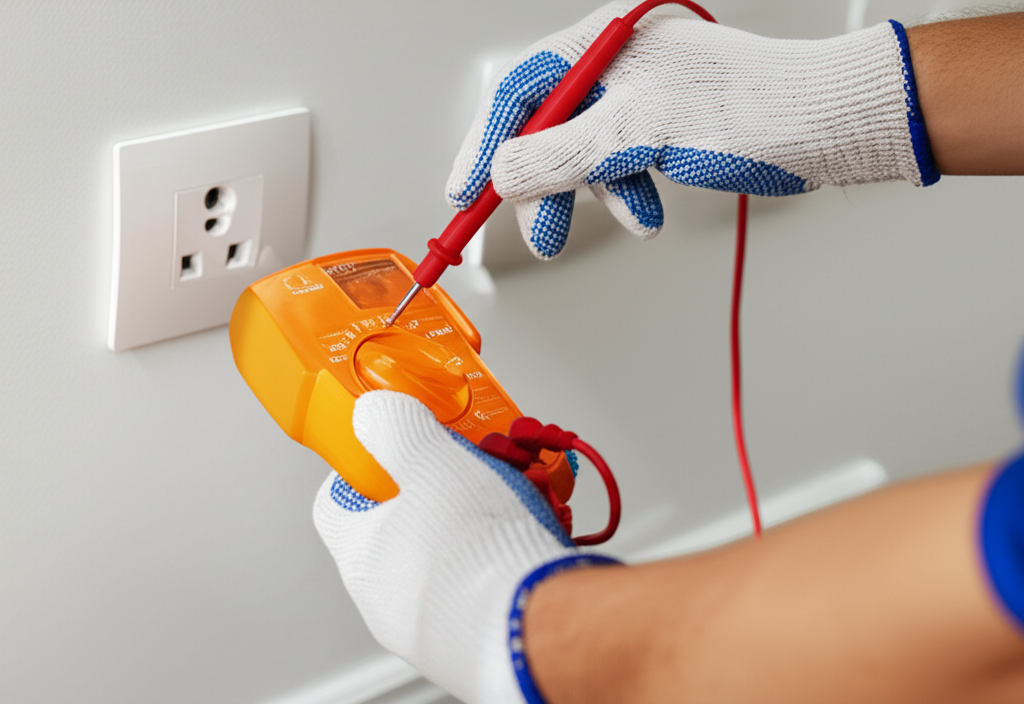
Our team are Master Electricians and accredited inspectors, which means our residential electricians in Christchurch can both carry out remedial work and issue the independent Electrical Safety Certificate—saving you a second call-out. We use the latest Fluke 1664 FC installation testers that upload results straight to the cloud, so your report is ready the same day. From ongoing maintenance for landlords to urgent pre-purchase certificates, BT Electrical Solutions keeps Christchurch properties safe, compliant and fully documented.
FAQs
How long does an electrical inspection take in Christchurch?
A standard 3-bedroom home takes 1.5–2 hours. Larger homes or those needing a Certificate of Verification can take up to 3 hours.
Is an electrical safety certificate compulsory when selling a house?
Legally no, but most solicitors and banks request one. Providing a current Electrical Safety Certificate smooths settlement and builds buyer confidence.
Can I stay in the house while the inspection happens?
Yes, but inspectors will trip RCDs and switch circuits off for 5–10 minute intervals. Computers and alarms may lose power, so plan accordingly.
What happens if my home fails?
You receive a defect list categorised as ‘urgent’ (shock/fire risk) or ‘recommended’ (future improvement). We can quote repairs immediately and arrange a re-inspection once defects are fixed.
How often should I book electrical testing Christchurch wide?
Owner-occupied homes: every 10 years or after major renovation. Rental properties: every 5 years under new tenancy laws. Commercial premises: annually, or as specified in your insurance policy.
Will the inspector need roof space or under-floor access?
Yes, to view cable condition and junction boxes. Ensure access holes are clear and well-lit; missing access can delay the certificate.