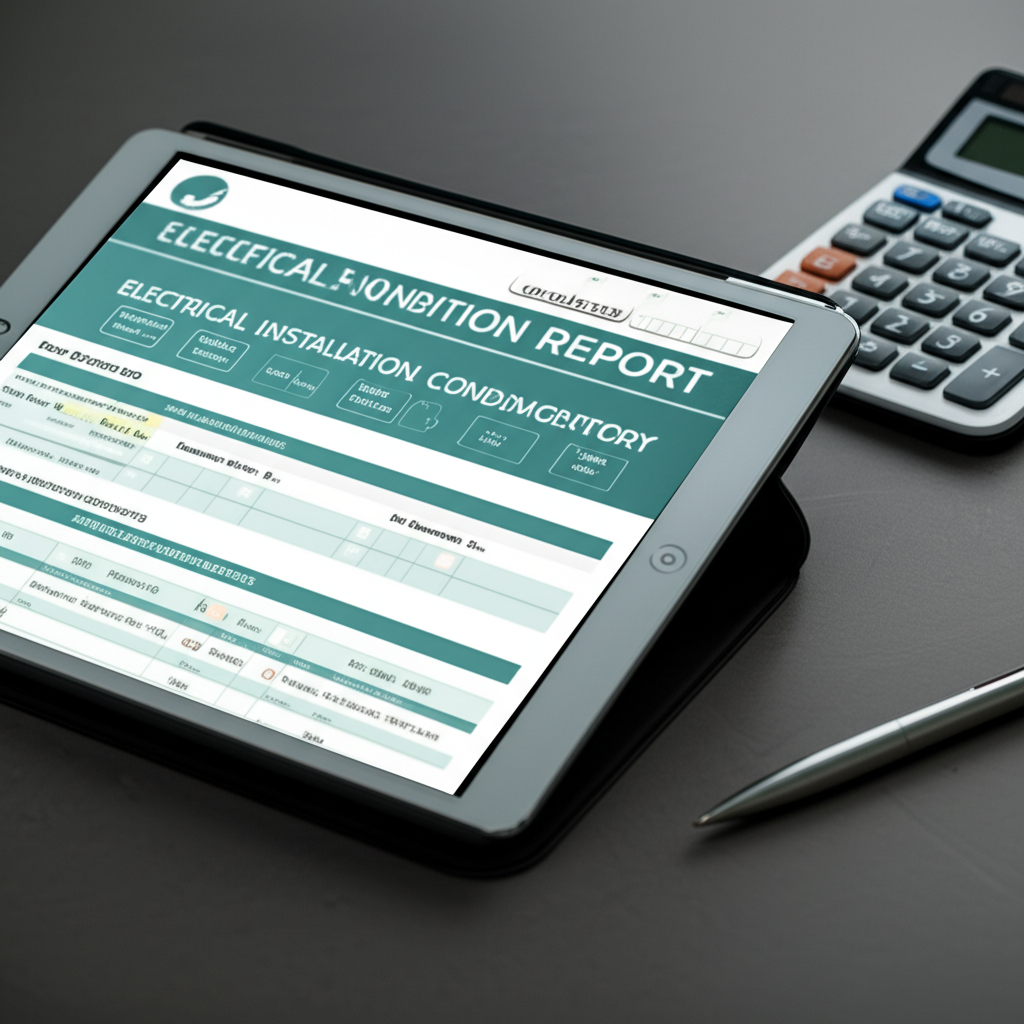
Quick Answer: The cost of EICR in New Zealand ranges from $180–$320 + GST for a standard residential electrical installation condition report. Prices depend on property size, age, and location.
Table of Contents
- What Is an EICR Certificate?
- 2026 EICR Certificate Price Breakdown
- Cost Factors That Affect Your Quote
- What’s Included in an EICR Inspection?
- EICR vs CoC vs ESC: Which Do You Need?
- Regional Price Variations Across NZ
- When Is an EICR Required?
- Why Choose BT Electrical Solutions?
- Frequently Asked Questions
What Is an EICR Certificate?
An Electrical Installation Condition Report (EICR) is a formal document that confirms your home or commercial wiring meets New Zealand electrical safety standards. Homeowners, landlords, and insurers often request an EICR to prove the installation is safe for continued use. The inspection covers switchboards, wiring, earthing, outlets, and fixed appliances.
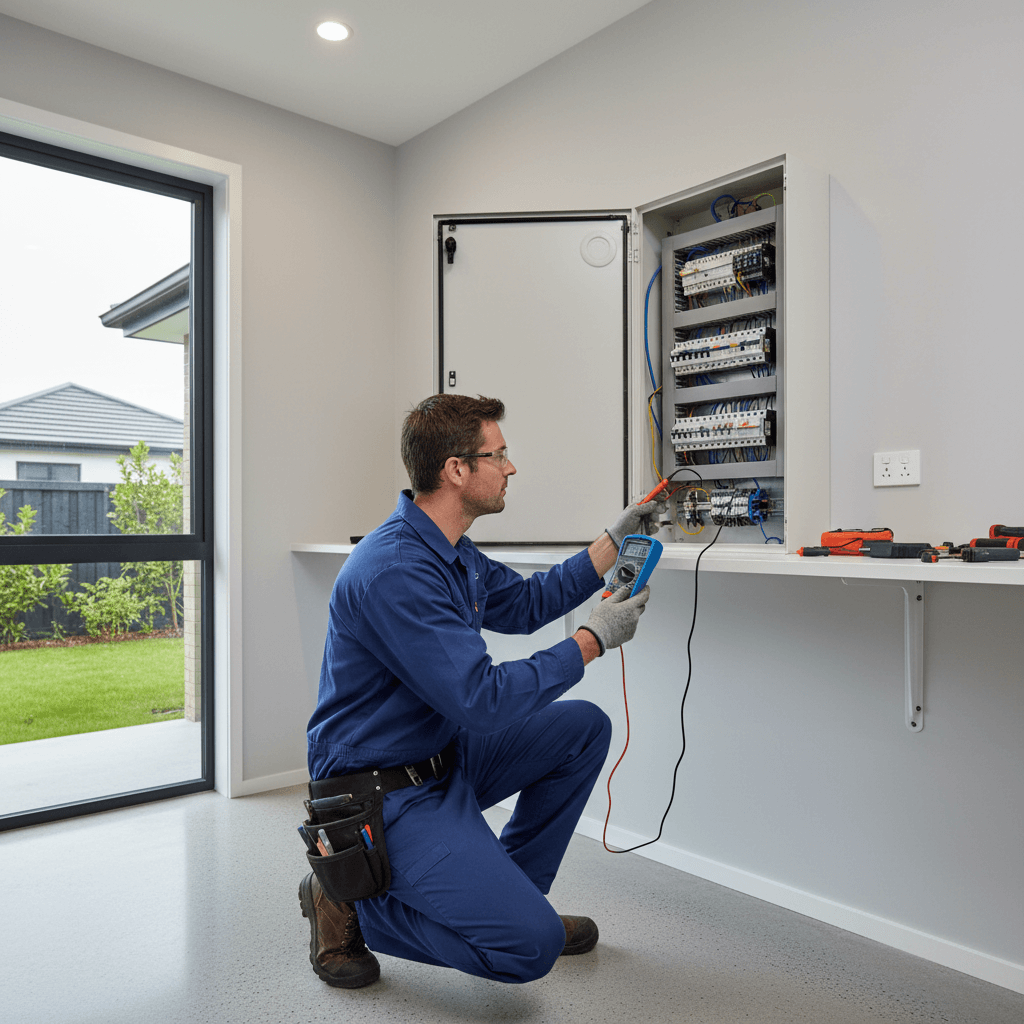
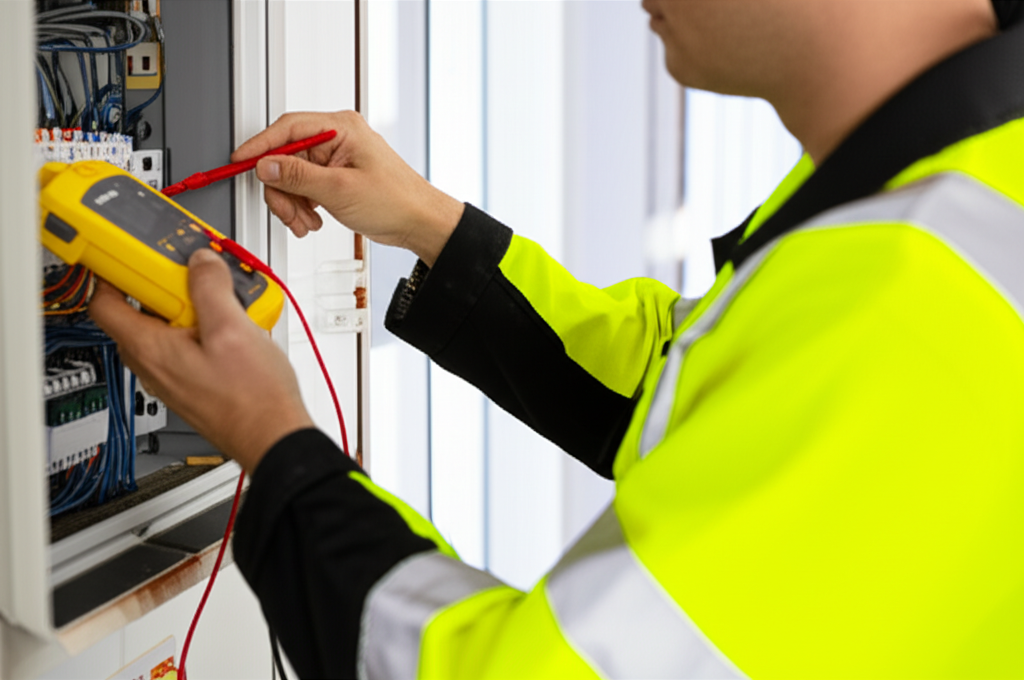
Unlike a simple visual check, an EICR involves rigorous testing with calibrated equipment. The electrician measures insulation resistance, verifies earth continuity, and confirms RCD trip times fall within safe limits. The finished report details every circuit’s condition and flags any defects requiring attention.
2026 EICR Certificate Price Breakdown
Below is the typical EICR certificate price you can expect in 2026. These figures reflect market rates charged by registered electricians nationwide.
| Inspection Type | Property Size | Typical Price (+GST) |
|---|---|---|
| Pre-purchase EICR | 2–3 bedroom | $180–$190 |
| Standard residential EICR | 2–4 bedroom | $200–$300 |
| Large home or complex system | 5+ bedroom | $320+ |
| EWOF / COV | Any | $150–$200 |
| Commercial premises | Small retail/office | $350–$500 |
Note: These are general industry estimates and may not reflect BT Electrical Solutions pricing. Request a free quote for an accurate price tailored to your property.
Travel surcharges inside city limits add $10.50–$20.50 + GST; rural jobs may incur per-kilometre fees. Requesting a same-day certificate can add $30–$50 to the base price.
Cost Factors That Affect Your Quote
Several variables move the electrical safety inspection cost up or down:
- Property age: Pre-1970s homes often need extra time to assess cotton-insulated wiring or lack of earthing, and may require full home rewiring to meet current standards.
- System complexity: Multiple switchboards, sub-mains, or solar inverters increase inspection points.
- Accessibility: Crawl spaces, tight roof cavities, or locked switchboards slow the process.
- Certification urgency: Same-day or next-day certificates may carry a priority fee.
- Additional repairs: If defects are found, the electrician will quote remedial work separately.
- Number of circuits: Homes with 20+ circuits take longer to test than standard 10-circuit installations.
Working with a local electrician who offers bundled packages can reduce overall spend if faults are discovered during testing.
What’s Included in an EICR Inspection?
A comprehensive electrical installation condition report covers the following checkpoints:
- Visual inspection of switchboards, mains, and earthing systems
- Testing of circuit protection (RCDs, MCBs, fuses)
- Outlet and switch operation checks
- Fixed appliance connections (ovens, hobs, heat pumps)
- Main earth and bonding verification
- Insulation resistance and polarity tests
- Detailed written report with defect codes and recommendations
For a complete breakdown of exactly what inspectors look for at each checkpoint, see our full inspection checklist for Christchurch homes.
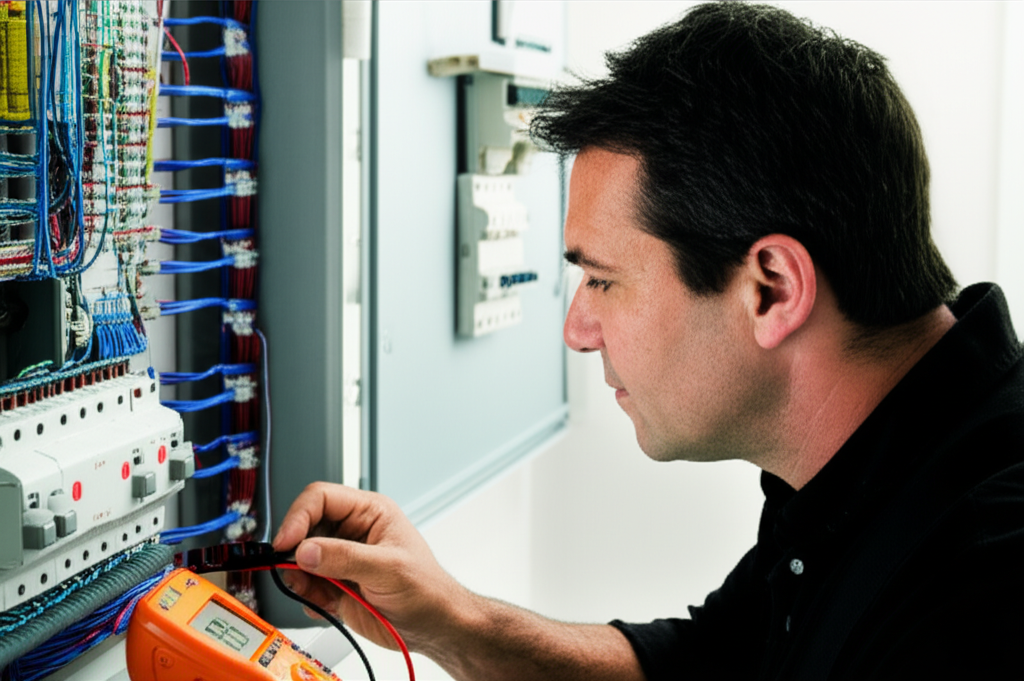
The finished certificate is emailed within 24 hours and remains valid for up to five years for rental properties or until ownership changes.
EICR vs CoC vs ESC: Which Do You Need?
Confused about which electrical certificate you need? Here’s a quick comparison:
| Certificate | Purpose | When Required |
|---|---|---|
| EICR | Condition report for existing installations | Pre-purchase, rental compliance, insurance |
| CoC (Certificate of Compliance) | Confirms new work meets standards | After any new electrical work |
| ESC (Electrical Safety Certificate) | Independent verification of high-risk work | Solar, EV chargers, hot water cylinders |
| COV (Certificate of Verification) | Confirms older work is safe | Older homes without original CoC |
Most homeowners requesting an EICR are selling, refinancing, or preparing a rental property for tenants. Landlords must provide evidence of electrical safety under the Residential Tenancies Act, typically through an electrical compliance certificate.
Regional Price Variations Across NZ
While the cost of EICR certificate is fairly consistent, subtle differences appear by island and city:
| Region | Call-out Fee (+GST) | Hourly Rate Thereafter |
|---|---|---|
| Auckland metro | $125 | $85 |
| Christchurch | $115 | $80 |
| Wellington | $120 | $85 |
| Dunedin | $110 | $78 |
These numbers explain why Christchurch homeowners often enjoy the lowest electrical safety check cost in the country. Rural Canterbury properties may incur additional travel charges of $1–$1.50 per kilometre beyond city limits.
When Is an EICR Required?
An EICR isn’t legally mandatory for owner-occupiers, but certain situations make it essential:
- Selling your home: Buyers’ solicitors and banks increasingly request electrical certificates before settlement.
- Rental properties: Landlords must ensure electrical safety under the Residential Tenancies Act. A current EICR demonstrates compliance.
- Insurance claims: After fire or water damage, insurers often require an EICR before reconnecting power.
- Refinancing: Some lenders request proof of electrical safety for older properties.
- After renovations: Major building work can disturb wiring; an EICR confirms everything remains safe.
- Change of use: Converting a garage to a sleepout or adding a home office may require inspection.
Why Choose BT Electrical Solutions?
BT Electrical Solutions is a Christchurch-based team of registered electricians who specialise in prompt, code-compliant EICR inspections. We offer transparent flat-rate pricing, same-day digital certificates, and free quotes within two hours. If repairs are required, our team can handle ongoing repairs and upkeep on the spot, saving you time and secondary call-out fees. All work is backed by a lifetime workmanship guarantee, and our vans carry common parts to fix 90% of defects immediately.
Frequently Asked Questions
How long does an EICR take?
Most residential inspections are finished within 1.5–2 hours. Larger homes or commercial premises may take half a day.
Do I have to be present during the inspection?
Someone over 18 must provide access to the switchboard and mains. You do not need to remain on site once access is arranged.
How often should I get an EICR?
Landlords must obtain a new report every five years or on change of tenancy. Owner-occupiers are advised to schedule an EICR at least once per decade or after major renovations.
Will insurance accept the certificate?
Yes, leading insurers recognise EICRs issued by BT Electrical Solutions. Upload the PDF to your insurer for potential premium discounts.
What if the report lists defects?
Defects are coded C1 (danger present), C2 (potentially dangerous), or C3 (improvement recommended). We provide a fixed-price quote to remedy any C1 or C2 issues.
Can you combine an EICR with other work?
Absolutely. Many clients bundle an EICR with LED upgrades or switchboard modernisation to minimise disruption and save on combined labour.
Is an EICR the same as an electrical WOF?
The terms are often used interchangeably, but technically an EICR is the formal report while “electrical WOF” is a colloquial term. Both refer to a comprehensive condition assessment of your electrical installation.
How do I prepare for an EICR?
Clear 300mm space around your switchboard, ensure roof and underfloor access is available, and reset any tripped RCDs. Label circuits if possible—it speeds up testing significantly.