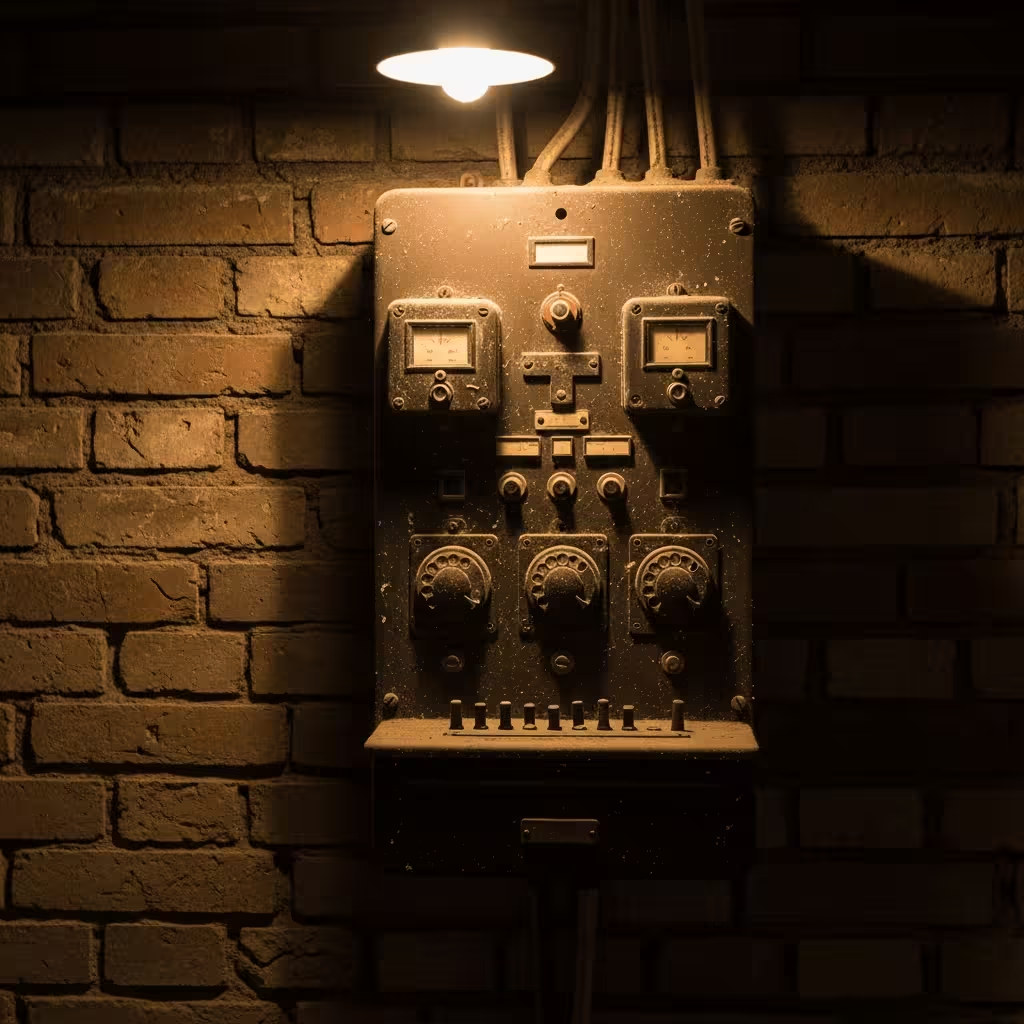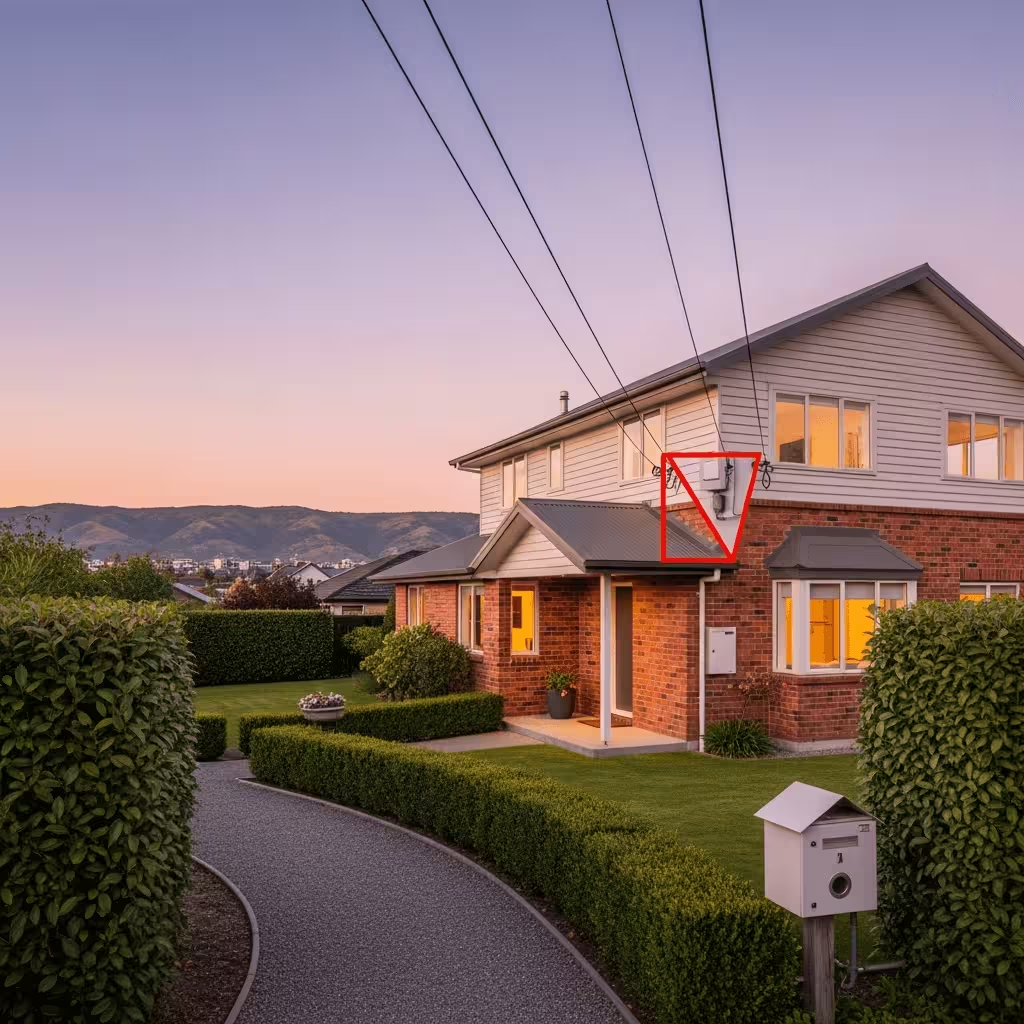
An electrical load guide for Canterbury homes is essential for understanding safe power management, especially in older properties. It helps homeowners assess and upgrade their electrical systems to accommodate modern appliances while adhering to local safety standards.
- Introduction
- Common Electrical Demand Challenges
- Evaluating Your Home’s Electrical Capacity
- Why Choose BT Electrical Solutions for Electrical Load Needs
- Frequently Asked Questions
- What is the electrical load capacity in most Canterbury homes?
- Why is it important to assess my home’s electrical load?
- How do high-demand appliances affect my home’s electrical capacity?
- Can I perform a load assessment myself?
- What are signs that my home is experiencing electrical overload?
- How can upgrading lighting help reduce electrical load?
- Are there any local incentives for upgrading my home’s electrical system in Christchurch?
- How do I choose the right electrician for an upgrade?
The intricate balance of managing an electrical load in Canterbury homes can be akin to a finely tuned orchestra. As Canterbury’s housing landscape evolves, especially in Christchurch, understanding this balance becomes critical. Homeowners must navigate the intricacies of their property’s electrical capabilities, particularly since many older homes were not originally designed to handle the demands of today’s high-tech appliances.
Understanding Electrical Loads
Electrical loads refer to the amount of power consumed by all devices and appliances within a home. An effective electrical load guide for Canterbury homes becomes an invaluable resource, helping residents figure out how to efficiently manage energy use. This guidance is crucial as increased energy consumption demands coincide with the growth of home offices and renovations. Older homes, often plentiful in Canterbury, necessitate a keen eye on how much electrical burden they can actually safely sustain.
Importance of Safety and Compliance
In Christchurch, safety and compliance are paramount when considering electrical loads. Adhering to local safety regulations not only ensures the avoidance of potential hazards but also maintains the structural integrity of a home’s electrical system. BT Electrical Solutions is dedicated to helping residents ensure their homes meet all necessary safety standards, providing peace of mind when upgrading electrical systems. Upgrades can include transitioning to LED lighting, modernising switchboards, and expanding capacity to manage higher loads effectively.
Contemporary Challenges
The contemporary challenge for Canterbury homeowners lies in the exponential growth of electrical demand against the backdrop of an aging housing infrastructure. Despite this increased demand, recent reports suggest that grid spare capacity should be adequate up until the end of 2025. Homeowners are encouraged to plan proactively, ensuring their homes are both future-proof and equipped to handle any further rise in energy requirements.
BT Electrical Solutions, located in Christchurch, offers expert solutions tailored to each home’s unique electrical needs, emphasising safe, efficient, and compliant electrical upgrades. By managing electrical loads adeptly, homeowners can enjoy the benefits of modern living without the risks associated with outdated electrical systems. With expert guidance, they can transform challenges into opportunities for improving home energy efficiency.
Common Electrical Demand Challenges
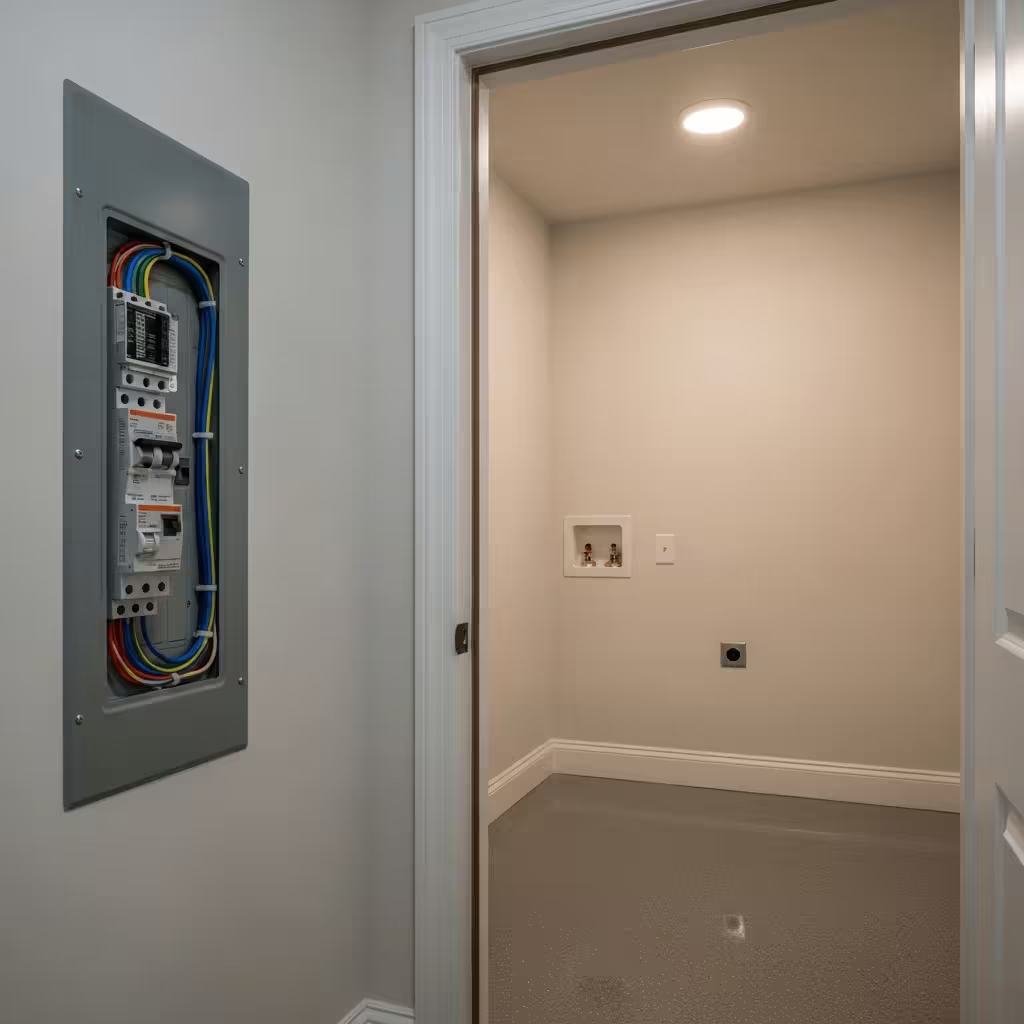
In Canterbury, homeowners frequently encounter challenges related to the growing electrical demands present in modern living. As household gadgets multiply and appliances become more power-hungry, understanding the limitations of existing electrical systems becomes crucial. Many of the region’s older homes weren’t originally designed to support today’s high electrical loads, which can lead to a variety of issues ranging from inefficient appliance performance to significant safety hazards. Navigating these challenges requires a detailed understanding of both the nature of electrical demand and the structural limitations of different types of residential properties.
Increased Appliance Usage
One of the foremost challenges is the dramatic increase in the number of appliances per household. From kitchen appliances and home entertainment systems to recently added electric vehicles and smart home gadgets, the cumulative load can substantially exceed the original design capabilities of many homes built in the past. For instance, electric ovens, which are now common in most Canterbury kitchens, can require up to 50 amps of electricity each—a burden that older wiring might struggle to handle. As homes continue to adapt to technological advancements, it becomes essential to assess the collective demand of all appliances to prevent overloading that can lead to circuit failures or fires.
Aging Electrical Systems and Wiring
Aging infrastructure poses another significant challenge. Much of Canterbury’s residential housing stock relies on outdated wiring systems that were never intended to support modern loads. Given that many of these systems deploy technologies and materials from as far back as the 1960s or earlier, they often exhibit wear that can exacerbate load problems. Old fuse systems, for example, aren’t just less efficient—they’re also more likely to trip or fail under pressure, increasing the risk of electrical hazards. Consequently, there’s a pressing need for homeowners to consider system upgrades or rewiring to align with current safety standards and ensure adequate load handling.
Evaluating Your Home’s Electrical Capacity
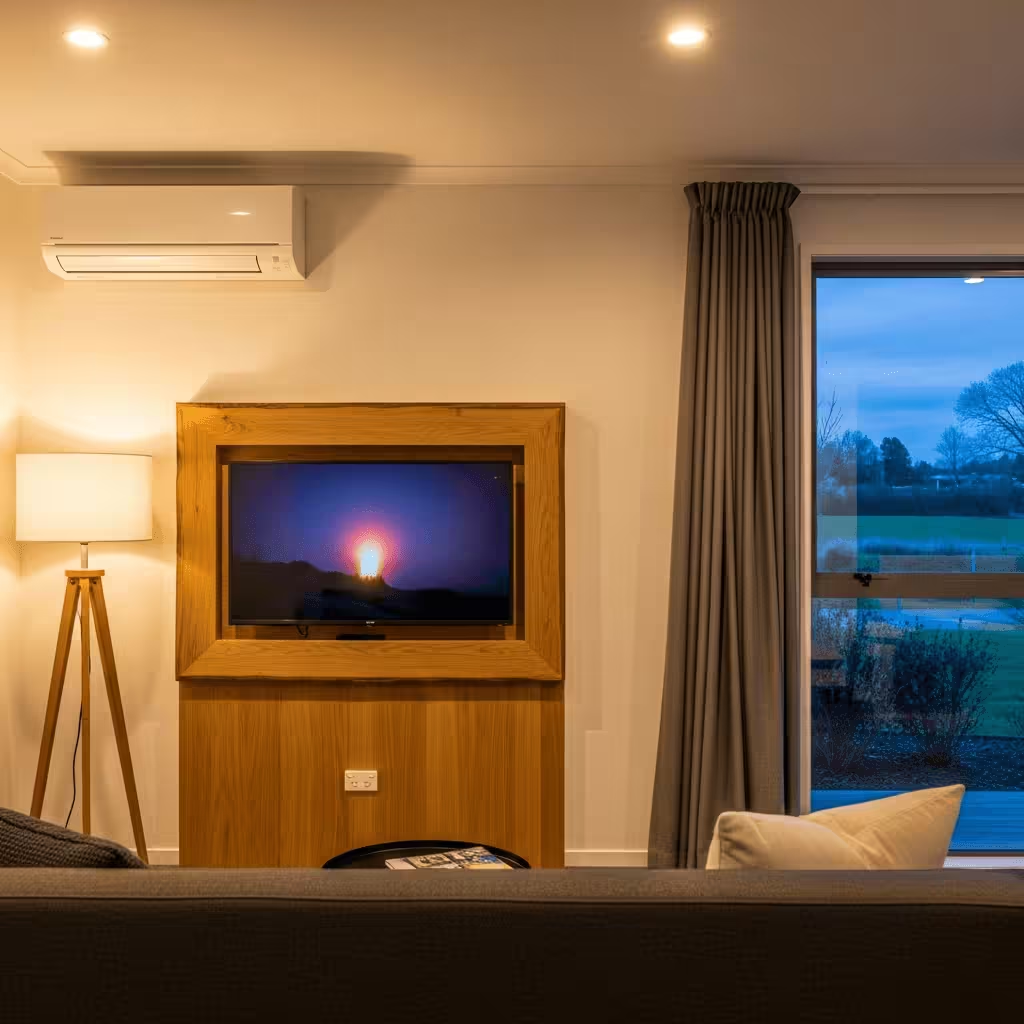
Understanding the electrical capacity of your home is crucial for maintaining safety and efficiency, particularly in Canterbury’s older houses. These homes often lack the infrastructure to support modern electronic devices and appliances. By evaluating your electrical load, you can prevent potential hazards like overloaded circuits and electrical fires. This process also provides a clear view of whether your current setup meets local safety standards.
Assessing Load Demand
Begin evaluating your home’s electrical capacity by assessing your load demand. Create a comprehensive list of all electrical appliances and devices used regularly in your household. Calculate the wattage requirements for each device, which is typically listed on the appliance label. Add up these values to estimate your total demand. This calculation helps determine if your current system can handle the load or if upgrades are necessary. Use tools such as the Energy Rating Calculator from governmental websites to verify appliance efficiency and optimise energy usage.
Examining Your Electrical Panel
Your home’s electrical panel is the central hub that distributes power to different circuits. Older homes in Canterbury might have electrical panels that are outdated or undersized, increasing the risk of overload. A panel with too few circuits or insufficient amperage can lead to frequent tripping or worse, potential electrical fires. Inspect your electrical panel for signs of wear, such as rust, burn marks, or excessive heat. If any such signs are present, consulting with a licensed electrician promptly can prevent further problems and is vital for ensuring compliance with safety regulations.
Installing Necessary Upgrades
Once you’ve determined that your home’s electrical capacity is insufficient, it becomes essential to consider an upgrade. Increasing the capacity of your electrical panel can involve adding more circuit breakers or installing a whole-new panel with a higher amperage rating. This not only accommodates increased load demands but also aligns your home with current electrical safety standards. Partner with a professional, like BT Electrical Solutions, to ensure the upgraded system adheres to Christchurch codes and operates efficiently. Such improvements not only enhance safety but also add value to the property by modernising its electrical infrastructure.
Increasing Energy Efficiency
Optimising your home’s energy efficiency can significantly reduce electrical load demands and enhance system longevity. Implementing energy-saving practices such as using LED bulbs, energy-efficient appliances, and smart home technologies can lower overall consumption. Additionally, adopting routine checks on electrical systems prevents deterioration due to wear and load imbalances. These proactive measures not only save money but also minimise environmental impact and promote sustainability. Integrating renewable energy sources, like solar panels, further boosts efficiency while reducing dependence on the local grid.
Why Choose BT Electrical Solutions for Your Electrical Load Needs
BT Electrical Solutions stands out as the preferred choice for all your expert electrical services needs. Our team is committed to ensuring that every home in the region is equipped to handle its electrical demands safely and efficiently. With years of experience under our belts, we provide homeowners with peace of mind, knowing their electrical systems are compliant with New Zealand’s stringent safety regulations.
Experienced Local Experts
BT Electrical Solutions is deeply rooted in the Christchurch community, understanding the unique challenges that local homes face. Our professionals are not only skilled but highly familiar with both modern and older residential electrical systems common in Canterbury. This local expertise allows us to tailor our services to meet the specific requirements of your home effectively. From diagnosing potential issues to implementing comprehensive solutions, our approach is thorough and personalized. We have developed a reputation for reliability and precision, ensuring that we meet all your electrical load requirements seamlessly.
What Sets Us Apart
What truly differentiates BT Electrical Solutions from the competition is our commitment to continuous improvement and client satisfaction. We believe that maintaining safety standards is an ongoing process, which is why we offer solutions that are not only immediate but sustainable over the long term. We provide customized advice on enhancing your home’s electrical network, incorporating the latest technology to optimize efficiency and safety. Furthermore, our customer care is second to none; we’re always ready to assist you, from scheduling inspections to executing complex upgrades. To ensure your switchboard is up to par, consider visiting our Christchurch switchboard upgrade specialists for detailed support.
In our next section, we will clarify common queries about electrical load management, providing answers and adding confidence for readers. To check for signs your switchboard may be outdated, you can visit our guide here. For more information on NZ electrical rewiring and compliance guidelines, see our guidelines’ page.
Frequently Asked Questions
What is the electrical load capacity in most Canterbury homes?
Most homes in Canterbury, especially older ones, were designed with lower electrical load capacities compared to modern standards. Typically, a home could handle between 60 to 100 amps depending on its size and age, but it’s essential to evaluate whether upgrades are needed for current demands.
Why is it important to assess my home’s electrical load?
Assessing your home’s electrical load is crucial to ensure safety, prevent overloads, and accommodate modern appliances. An evaluation can help identify necessary upgrades to maintain efficiency and compliance with local safety standards.
How do high-demand appliances affect my home’s electrical capacity?
High-demand appliances can strain your home’s electrical system, potentially leading to overloads. Devices such as air conditioners, heat pumps, underfloor heating, ovens, and electric vehicles require substantial power and may require capacity upgrades to operate safely alongside other household appliances.
Can I perform a load assessment myself?
While basic assessments can be done by homeowners, it is advisable to have a professional like BT Electrical Solutions conduct a comprehensive evaluation to ensure all safety standards are met and to address potential issues accurately.
What are signs that my home is experiencing electrical overload?
Signs of electrical overload include frequently tripped circuit breakers, flickering lights, buzzing outlets, and outlets that are warm to the touch. If you notice any of these, it may be time to consult a professional.
How can upgrading lighting help reduce electrical load?
Switching to LED lighting can significantly reduce your home’s electrical load as LEDs consume less power compared to traditional bulbs. This simple change can enhance energy efficiency and free up electrical capacity for other uses.
Are there any local incentives for upgrading my home’s electrical system in Christchurch?
Yes, there are often local incentives and rebates available for energy-efficient upgrades in Christchurch. Check with local councils or energy providers for current programs that can assist with the costs of upgrading your home’s electrical system.
How do I choose the right electrician for an upgrade?
To choose the right electrician, look for licensed professionals with experience in handling modern electrical systems. BT Electrical Solutions offers experienced technicians who are familiar with Canterbury’s specific needs and safety standards.
Key Insights
Recent guidance for Christchurch homes highlights practical strategies for managing electrical loads, especially as more households pursue electrification without upgrading their existing panels. Key recommendations include assessing current electrical capacity, prioritising energy-efficient upgrades, and using load management technologies to optimise usage and avoid overloading circuits. These approaches are particularly relevant for homes with 100-amp services, where careful planning can support full electrification without costly upgrades.
Citations indicate that local reports and government resources now provide detailed load calculators and real-world examples tailored to Canterbury homes, helping residents understand spare capacity and plan for future electrical needs. These tools are designed to support homeowners in making informed decisions about electrification, load management, and energy efficiency, ensuring safe and sustainable outcomes.